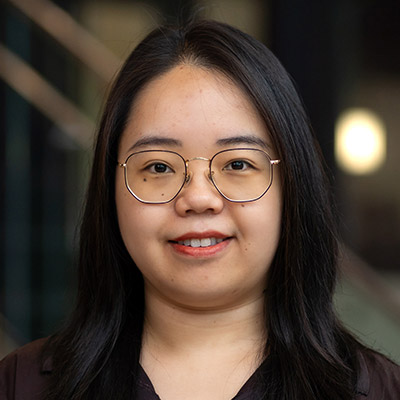

Assistant Professor, Chair of the Philosophy Department
Dr. Bland is the 2017-2018 recipient of the John and Gail MacNaughton Prize for Excellence in Teaching, marking him as an extraordinarily engaging and supportive faculty member and educator. Research Interests I am deeply interested in the difference between justified and unjustified beliefs. My recent research has been focussed on the following two questions: Can we justify any of our beliefs? Can we objectively distinguish justified from unjustified beliefs? In response to both questions, I answer a resounding ‘yes’, but for very different reasons. This sets me apart from most philosophers, who answer ‘yes’, but for the same reason in both cases. I have developed my position in a series of recently published articles, and I continue to do so in a book-length manuscript. My research also concerns the distinction between those principles that are the outcomes of our investigations, and those principles that are necessarily presupposed in our investigations. In particular, I have argued that this is an important distinction to make in our scientific knowledge of space-time. Does Einsteinan physics reveal the invariance of the speed of light, or does it presuppose it? Answering questions like these is an important step towards a better understanding of the structure of scientific knowledge. Teaching Teaching philosophy isn’t like teaching the tango; there aren’t simple, prescribed steps for getting from one place to another. There is almost always more than one way to answer a philosophical problem and almost never widespread consensus about which way is best. For this reason, engaging in philosophy requires students to conceptualize the world, as well as the problems that it presents them with, in a number of different ways. I have found that teaching students how to do this well requires doing the following things: 1. Showing how philosophical problems threaten the way that we make sense of the world. 2. Giving students the opportunity to engage with these problems on their own. 3. Informing students of the theories that offer the most promising answers to these problems. 4. Leading students through the process of critically evaluating candidate theories. 5. Providing students with the opportunity to find entirely new ways of solving these problems. In this way, I do not lead students to any particular philosophical perspective, but attempt to equip them with the intellectual wherewithal to find and defend their own unique perspective on the world.An education that aims to develop Leaders with Heart cannot attempt to teach students what to think, but rather, should empower them how to think, so they are able to fortify their individual moral, ethical and social ideologies to help navigate our very complex political, economic and cultural systems.


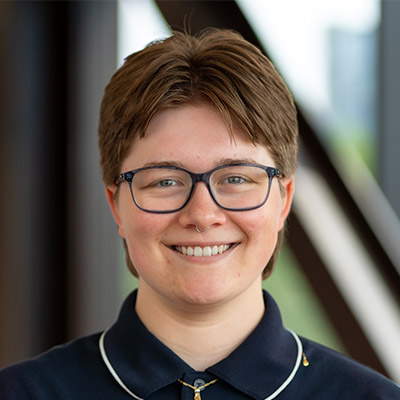
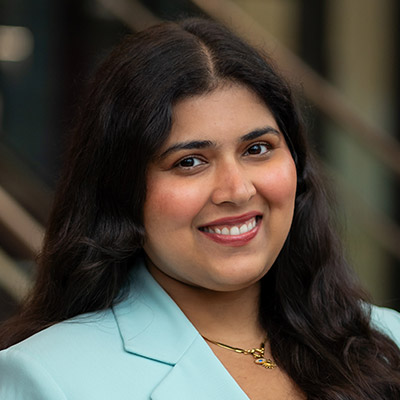
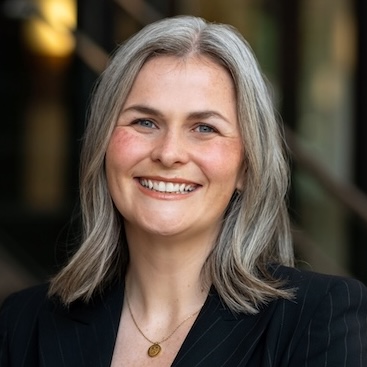

 Lisa Jones Keenan is the Vice President of Sales at Xplornet Communications, the largest rural fixed wireless broadband service provider in Canada.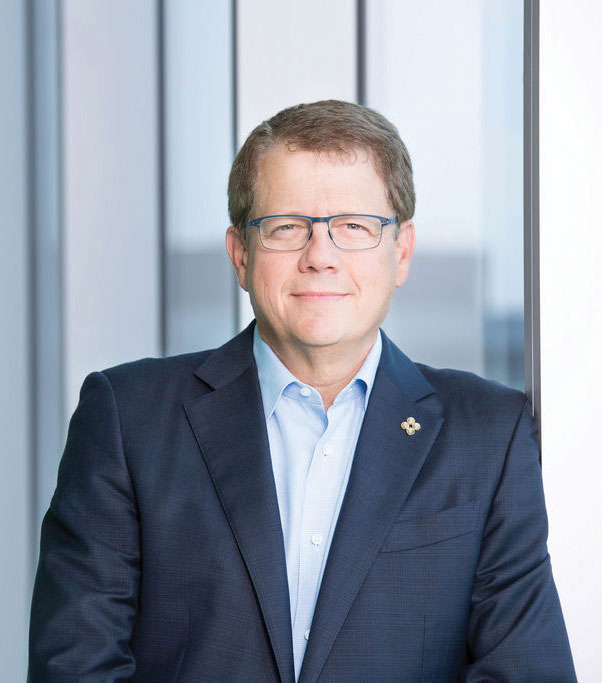
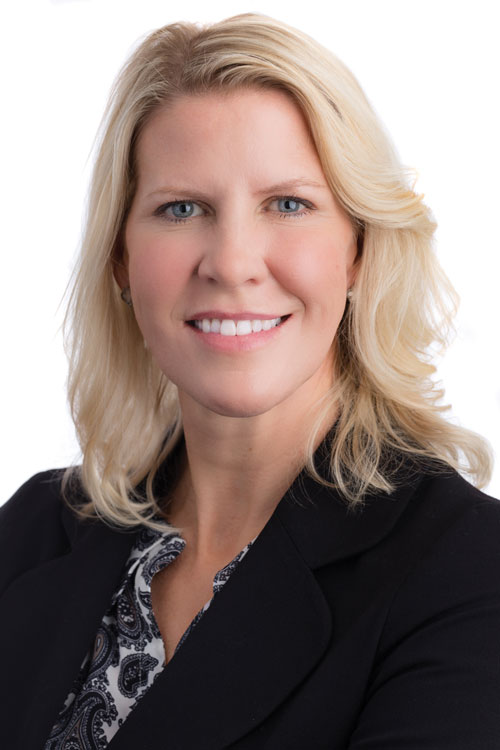 Leigh Allen is the AVP, Global Strategic Research, Reinsurance Group of America Inc., one of the world’s largest global life and reinsurance companies.
 Yola Ventresca is a Managing Partner, Lerners LLP, Secretary of Huron’s Board of Governors and a Huron Class of ’02 alumni. Selected as one of Canada’s “Best Lawyers,” she is passionate about the value of Liberal Arts in helping students succeed in their careers.
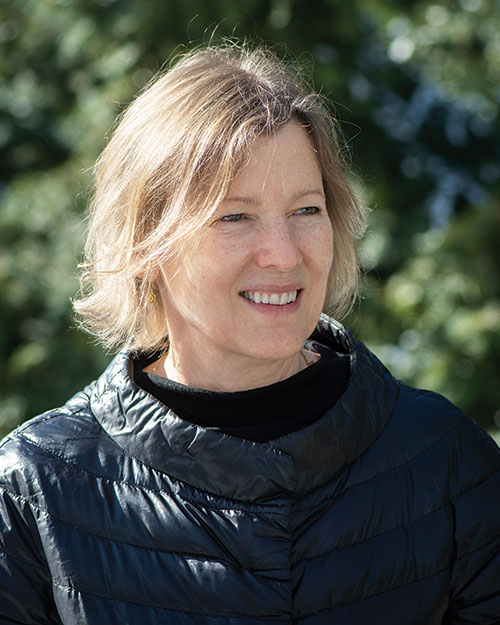 Susan Farrow is an Assistant Professor in The Temerty Faculty of Medicine at the University of Toronto and a Founding Partner and Co-Director of The Toronto Institute of Group Studies, an organization offering certified training and education in group leadership.
 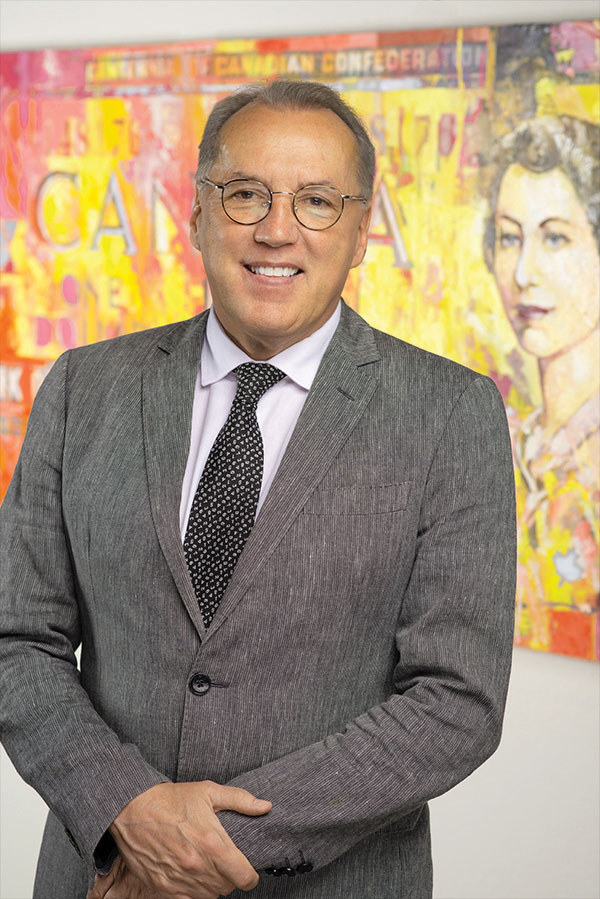 Frank Holmes is CEO and Chief Investment Officer of U.S. Global Investors, as well as a business commentator, philanthropist and Huron Class of ‘78 alumnus. Holmes also serves as the Executive Chairman of HIVE Blockchain Technologies, the first cryptocurrency mining company to go public in 2017.
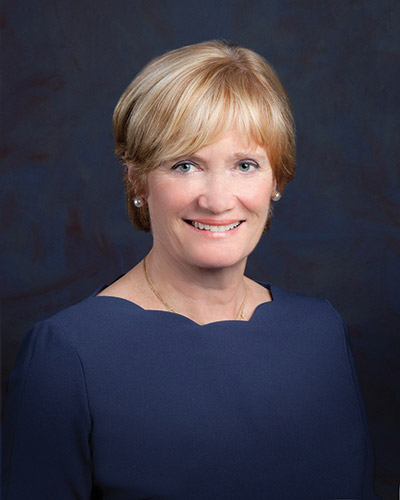 Kelly Meighen is an experienced philanthropist and volunteer. In her role as president of the T.R. Meighen Family Foundation, she has created a legacy of volunteerism and philanthropic giving in the areas of youth mental health advocacy, environmental conservation and cultural vibrancy.
 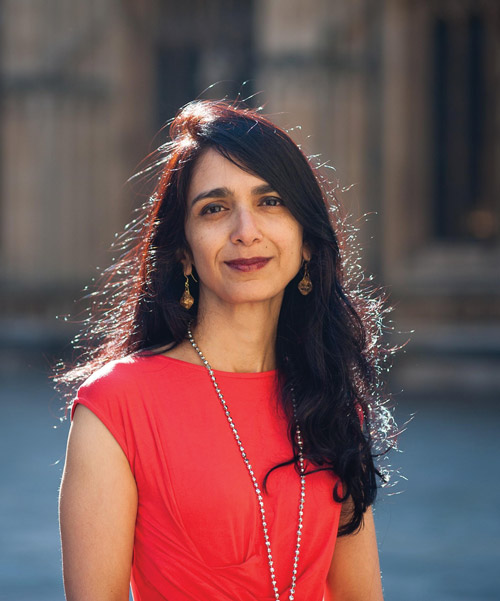 Ranjita is Executive Chair of the Oxford Global Partnership, advising investors, businesses, family offices and entrepreneurs on sustainable, inclusive and responsible value creation. A Business Fellow at Oxford University’s Smith School, Ranjita engages with companies on pursuing value with values, and teaches a postgraduate “Essentials of ESG & DEI” course.
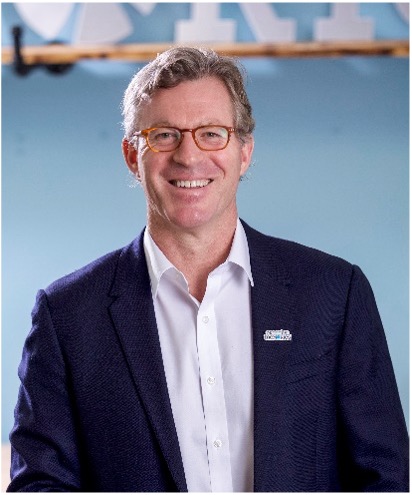 Caleb Hayhoe is the Founder & Chairman of Flowerdale Group and a Huron Class of ’85 Alumnus. Flowerdale Group is a Hong Kong based family office with a global investment outlook across public markets, real estate and private investment. Hayhoe previously spent over ten years building a global sourcing business together with an exceptional team, and remains committed to entrepreneurialism and helping great ideas become sustainable companies.