
Survivor-led exhibition invites visitors to engage with the truths and lasting impacts of Canada’s Indian Residential School system.
London, ON – Huron University College is hosting the Stolen Childhoods exhibition presented by the Survivor Secretariat that explores more than 140 years of the Mohawk Institute’s history and the lasting impacts of Canada’s Indian Residential School system.
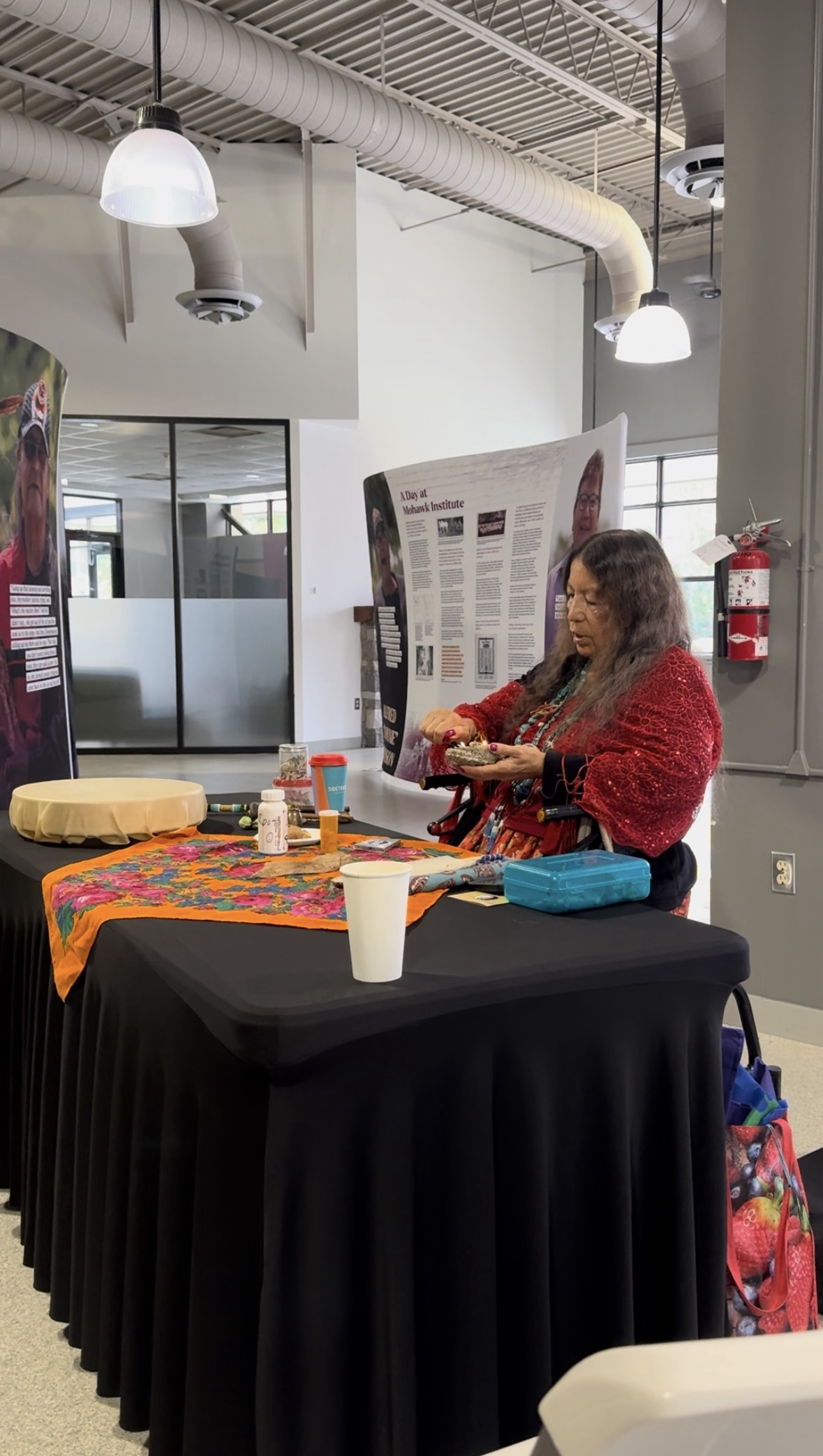
Elder Mary Lou Smoke, Elder-in-Residence at the Wampum Learning Lodge at Western University, opened the exhibition with a sacred smudging ceremony, using burning sage to cleanse the space. The ceremony offered care and protection for those whose stories are shared through Stolen Childhoods, as well as those entering the exhibition. It reflected the importance of creating a welcoming, respectful environment that supports the well-being of visitors as they engage with Survivor stories.
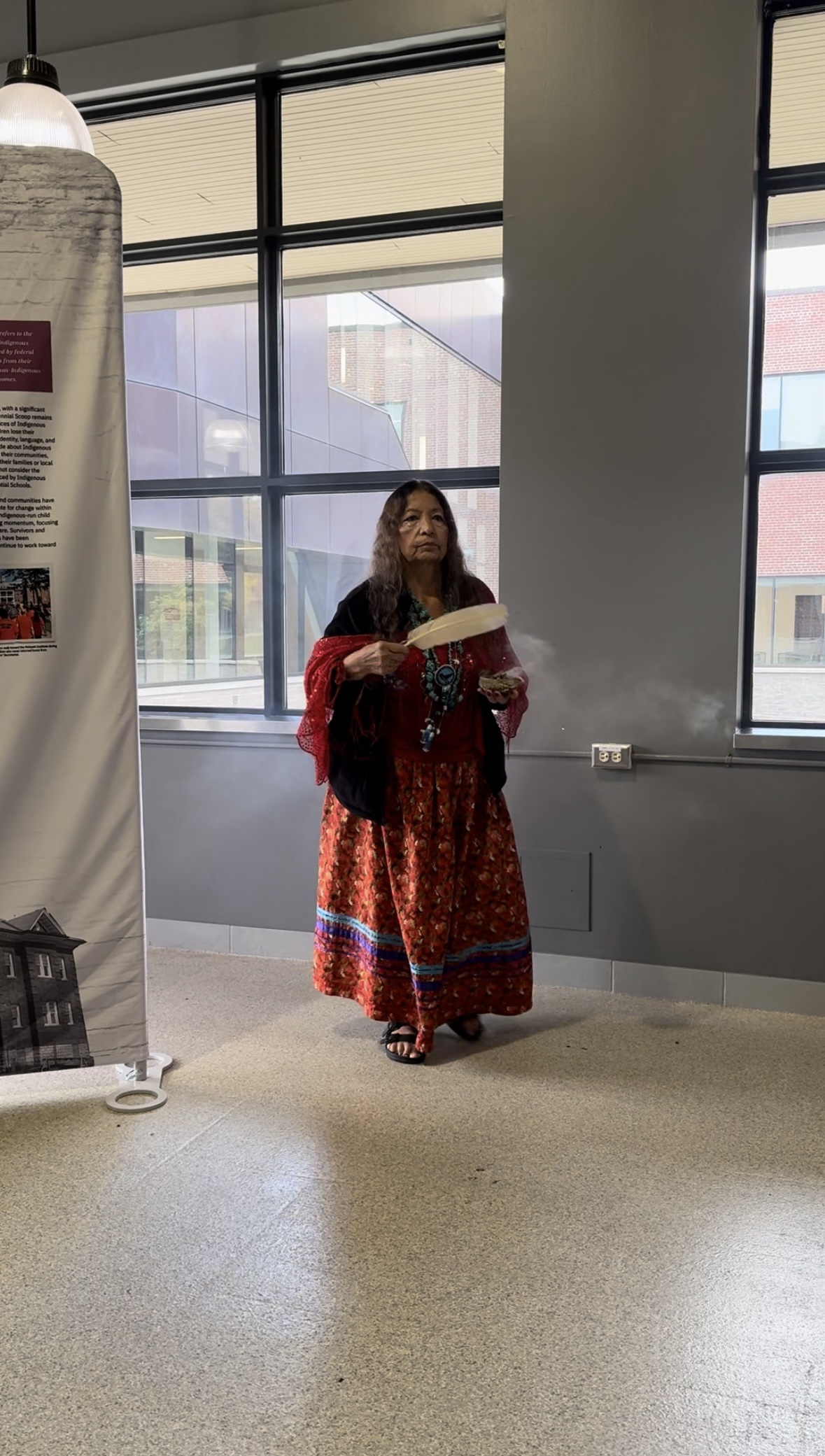
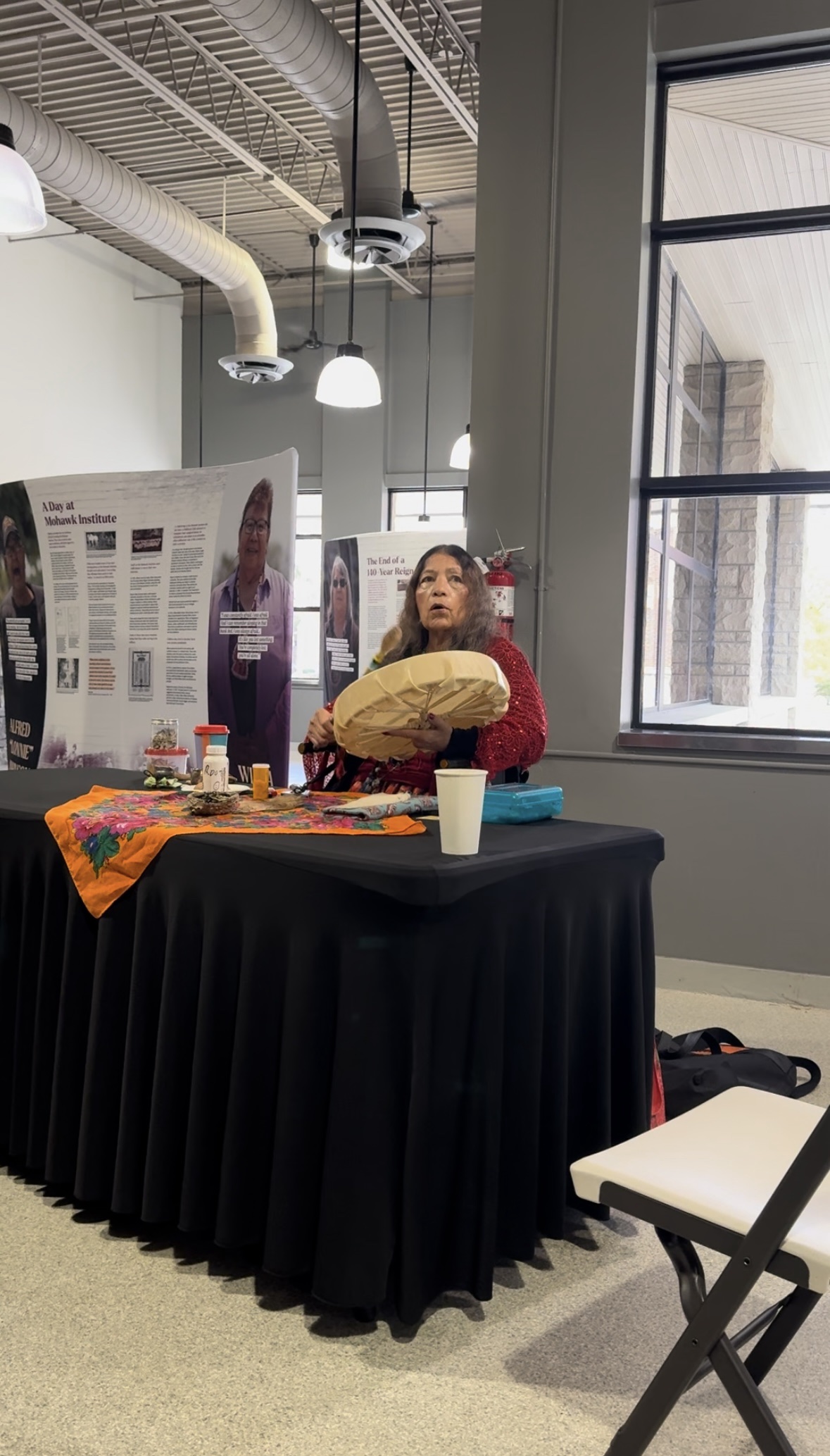
Available for viewing by appointment from October 19 – November 13, 2026, the exhibition is guided by Survivor testimony and the experiences of children who attended the Mohawk Institute. Rooted in Survivor Truths, Stolen Childhoods examines the institution’s history and the roles of organizations involved in its operation, including the Government of Canada, the New England Company, Indian Affairs, and the Anglican Church. Through these histories and personal experiences, the exhibition brings attention to the enduring impacts of residential schools on Indigenous Peoples and communities.
“Stolen Childhoods offers an important opportunity to learn from Survivor testimony and deepen our understanding of the Mohawk Institute’s history and its lasting impacts,” said Thomas Peace, PhD, Associate Professor of History, Huron. “By examining the roles institutions played in the residential school system, we can better understand how this history continues to shape communities today.”
Huron and Western University have historical connections to the Mohawk Institute. Acknowledging these connections and confronting the harms of the residential school system are important parts of Huron’s ongoing commitment to Truth and Reconciliation. Through its strategic priorities, Indigenous Initiatives, and opportunities for learning and engagement, Huron continues to work towards a future grounded in understanding, respect, and meaningful relationships with Indigenous Peoples and communities.
Huron is honoured to welcome Survivors of the Mohawk Institute for the exhibition’s opening, providing an opportunity to engage with the truths and experiences at the heart of Stolen Childhoods.
“The presence, voices, memories, and lived experiences of Survivors are deeply woven into it, and while it visits us at Huron, we have a responsibility to hold them with care and respect,” said Sean Hoogterp, Indigenous Initiatives Coordinator, Huron. “As Stolen Childhoods travels to other communities, we hope these stories continue to inspire reflection, understanding, and meaningful reconciliation.”
VISIT THE STOLEN CHILDHOODS EXHIBITION
Visitors are invited to experience Stolen Childhoods at Huron from October 19 to November 13, 2026. Viewing times are available Monday to Friday, from 10:00 AM – 3:00 PM, and must be scheduled in advance.
Dedicated viewing dates are available for Survivors, their families, and members of neighbouring First Nations. Please contact Sean Hoogterp to arrange a visit.
To arrange a visit, contact:
Sean Hoogterp, Indigenous Initiatives Coordinator, Huron
Email: shoogter@uwo.ca
Call or text: 226-927-4381
Parking is available upon request, and directions can be provided.
Visitor Guidelines
Out of respect for the stories shared in the exhibition, photography, video recording, and media reporting are not permitted.
Content Advisory
Stolen Childhoods may include content that is distressing for Survivors, intergenerational Survivors, Indigenous Peoples, communities, and others. Visitors are encouraged to take care while engaging with this material.
For those who may need additional support before or after visiting the exhibition, the following resources are available:
Learn more about the exhibition: Survivor Secretariat – Stolen Childhoods


 Lisa Jones Keenan is the Vice President of Sales at Xplornet Communications, the largest rural fixed wireless broadband service provider in Canada.
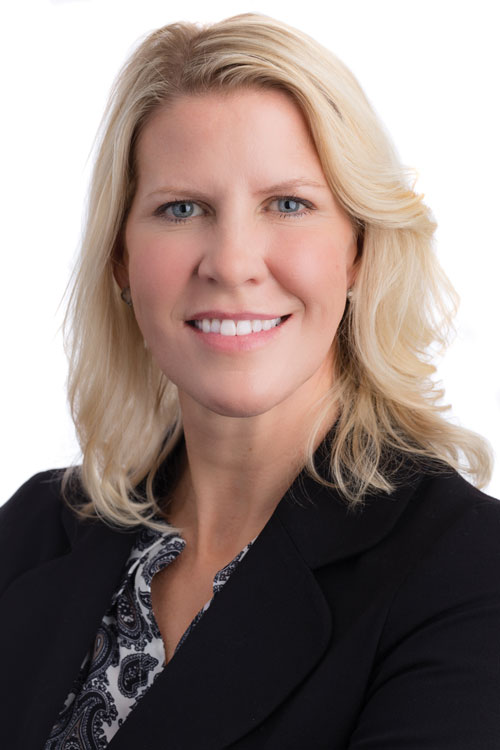 Leigh Allen is the AVP, Global Strategic Research, Reinsurance Group of America Inc., one of the world’s largest global life and reinsurance companies.
 Yola Ventresca is a Managing Partner, Lerners LLP, Secretary of Huron’s Board of Governors and a Huron Class of ’02 alumni. Selected as one of Canada’s “Best Lawyers,” she is passionate about the value of Liberal Arts in helping students succeed in their careers.
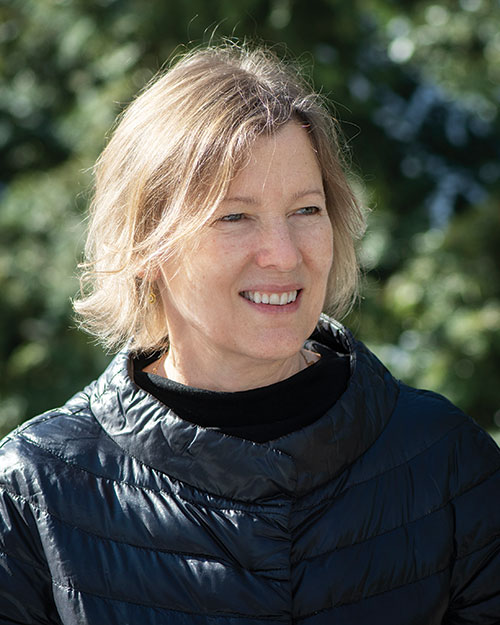 Susan Farrow is an Assistant Professor in The Temerty Faculty of Medicine at the University of Toronto and a Founding Partner and Co-Director of The Toronto Institute of Group Studies, an organization offering certified training and education in group leadership.
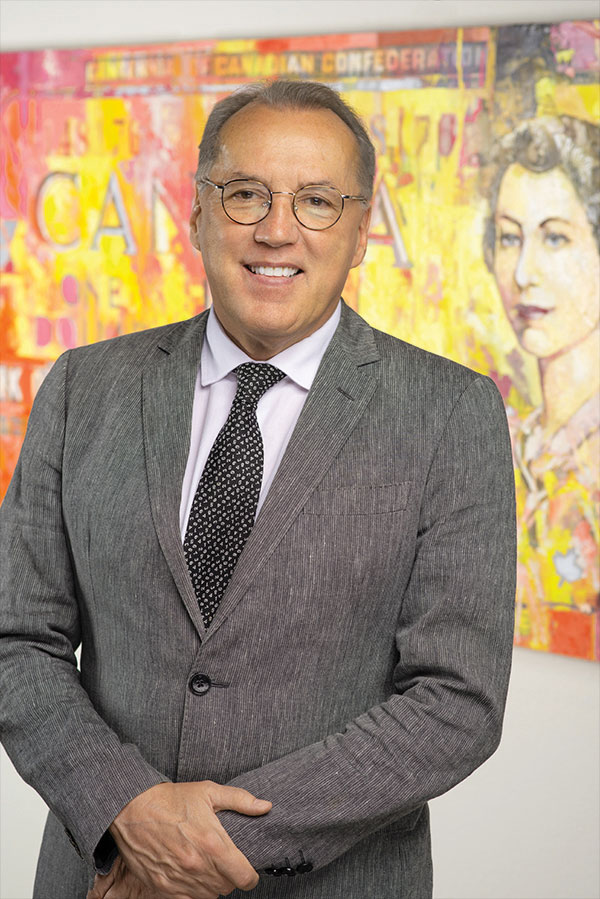 Frank Holmes is CEO and Chief Investment Officer of U.S. Global Investors, as well as a business commentator, philanthropist and Huron Class of ‘78 alumnus. Holmes also serves as the Executive Chairman of HIVE Blockchain Technologies, the first cryptocurrency mining company to go public in 2017.
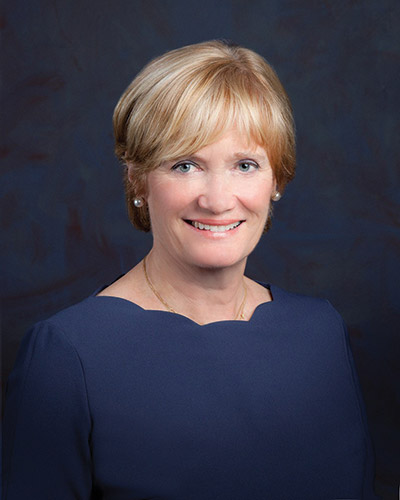 Kelly Meighen is an experienced philanthropist and volunteer. In her role as president of the T.R. Meighen Family Foundation, she has created a legacy of volunteerism and philanthropic giving in the areas of youth mental health advocacy, environmental conservation and cultural vibrancy.
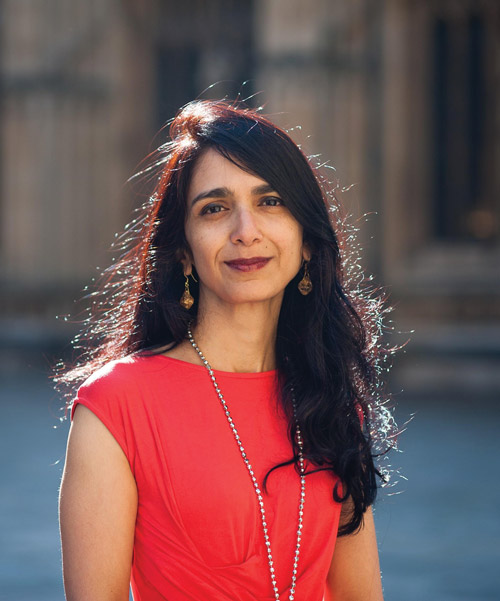 Ranjita is Executive Chair of the Oxford Global Partnership, advising investors, businesses, family offices and entrepreneurs on sustainable, inclusive and responsible value creation. A Business Fellow at Oxford University’s Smith School, Ranjita engages with companies on pursuing value with values, and teaches a postgraduate “Essentials of ESG & DEI” course.
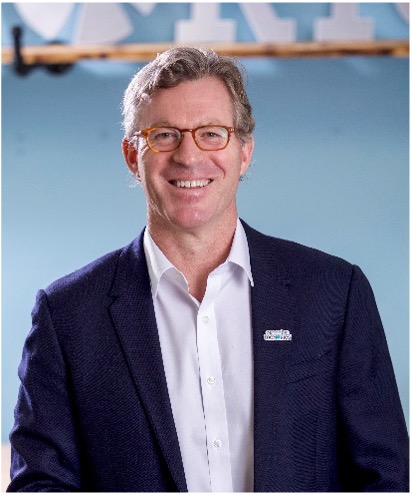 Caleb Hayhoe is the Founder & Chairman of Flowerdale Group and a Huron Class of ’85 Alumnus. Flowerdale Group is a Hong Kong based family office with a global investment outlook across public markets, real estate and private investment. Hayhoe previously spent over ten years building a global sourcing business together with an exceptional team, and remains committed to entrepreneurialism and helping great ideas become sustainable companies.