
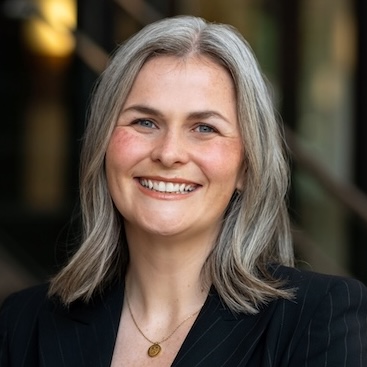
Assistant Professor
My teaching in political science and political theory encourages students to widen and deepen their capacities to creatively redescribe the social and political world by bringing them into conversation with philosophical texts, historical events, and political practices.
Taken seriously, political science makes a bold claim: that we can possess scientific knowledge of politics, knowledge that elevates our ways of thinking, talking, and acting politically above the level of common sense. Political theorists are similarly audacious in suggesting that in elevating our ways of thinking in this way, we can and must diagnose the injustices and dysfunctions of our societies, and offer insights into what a just resolution of those problems would look like. In political theory courses, we read thinkers in the history of political thought who took on this challenge in their own times, from Plato, to Ibn Khaldun, Thomas Hobbes, Karl Marx, and beyond.
My research has been similarly shaped by these audacious and bold claims, and the question: what does it mean to have political knowledge? To think through this question, I examine how theorists, writers, and social movements criticize, stretch, or invent ways of thinking about politics in struggles against domination. Currently, I am thinking about the resonances between a long tradition of exemplarity and emulation in political theory, the idea that one can improve their ability to think and act politically by learning from exemplary models, and how that tradition resonates in the writings of radical thinkers and writers.
Research Interests:
- Critical Theory
- Anticolonial political thought
- Policing and punishment
- History and philosophy of social science


 Lisa Jones Keenan is the Vice President of Sales at Xplornet Communications, the largest rural fixed wireless broadband service provider in Canada.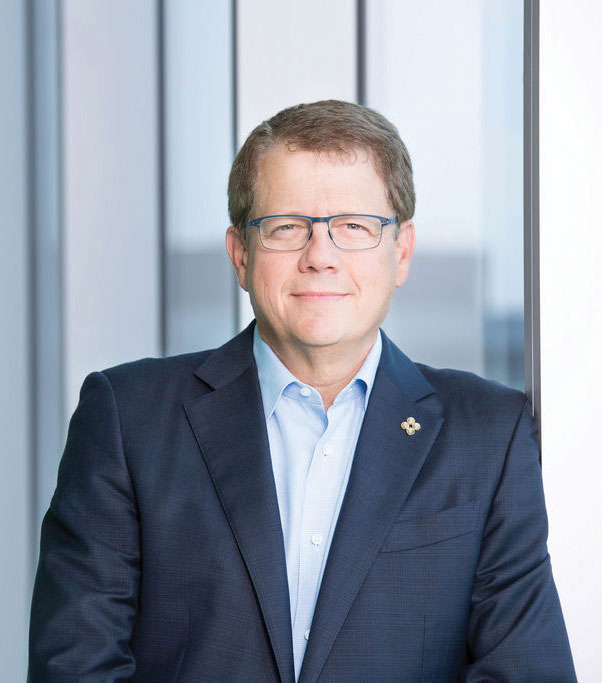
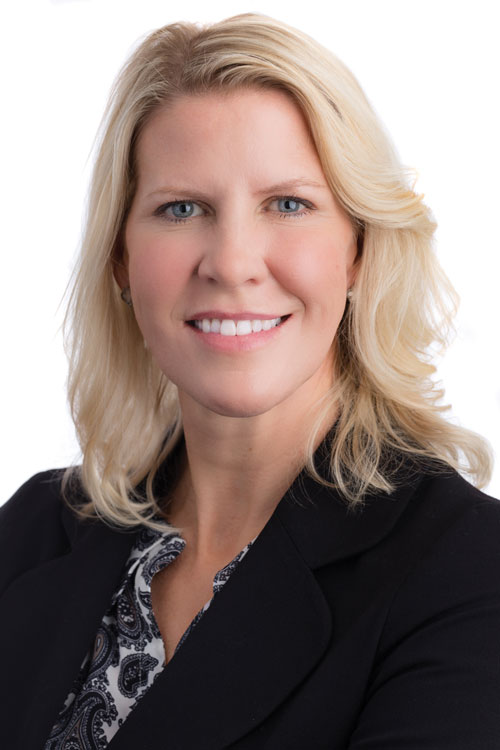 Leigh Allen is the AVP, Global Strategic Research, Reinsurance Group of America Inc., one of the world’s largest global life and reinsurance companies.
 Yola Ventresca is a Managing Partner, Lerners LLP, Secretary of Huron’s Board of Governors and a Huron Class of ’02 alumni. Selected as one of Canada’s “Best Lawyers,” she is passionate about the value of Liberal Arts in helping students succeed in their careers.
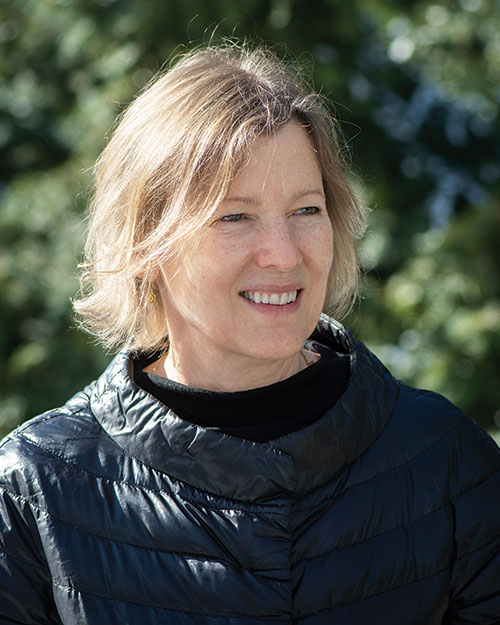 Susan Farrow is an Assistant Professor in The Temerty Faculty of Medicine at the University of Toronto and a Founding Partner and Co-Director of The Toronto Institute of Group Studies, an organization offering certified training and education in group leadership.
 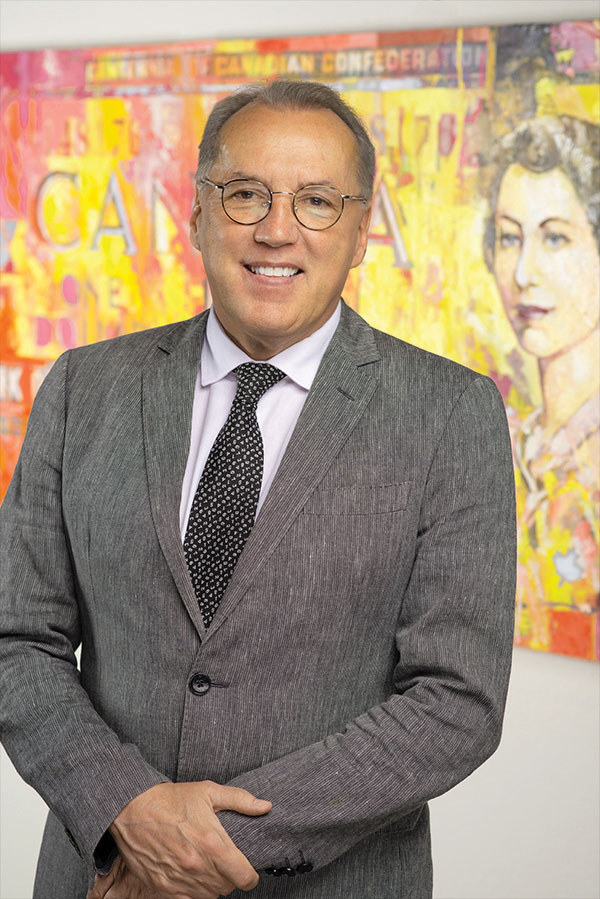 Frank Holmes is CEO and Chief Investment Officer of U.S. Global Investors, as well as a business commentator, philanthropist and Huron Class of ‘78 alumnus. Holmes also serves as the Executive Chairman of HIVE Blockchain Technologies, the first cryptocurrency mining company to go public in 2017.
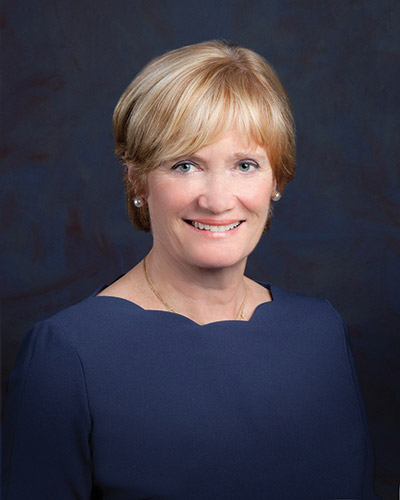 Kelly Meighen is an experienced philanthropist and volunteer. In her role as president of the T.R. Meighen Family Foundation, she has created a legacy of volunteerism and philanthropic giving in the areas of youth mental health advocacy, environmental conservation and cultural vibrancy.
 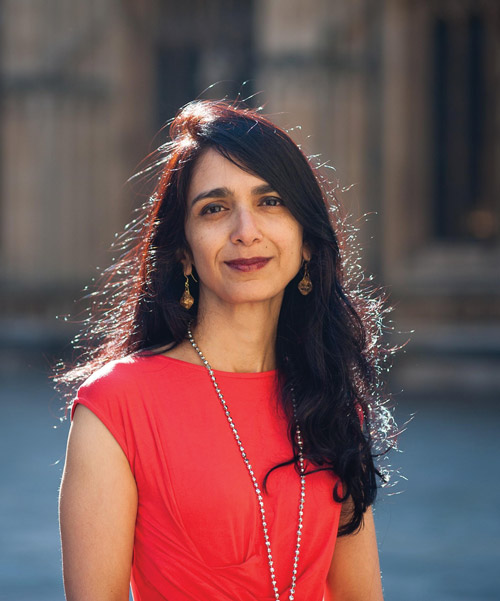 Ranjita is Executive Chair of the Oxford Global Partnership, advising investors, businesses, family offices and entrepreneurs on sustainable, inclusive and responsible value creation. A Business Fellow at Oxford University’s Smith School, Ranjita engages with companies on pursuing value with values, and teaches a postgraduate “Essentials of ESG & DEI” course.
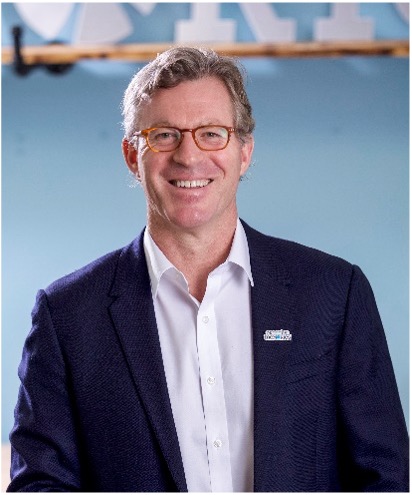 Caleb Hayhoe is the Founder & Chairman of Flowerdale Group and a Huron Class of ’85 Alumnus. Flowerdale Group is a Hong Kong based family office with a global investment outlook across public markets, real estate and private investment. Hayhoe previously spent over ten years building a global sourcing business together with an exceptional team, and remains committed to entrepreneurialism and helping great ideas become sustainable companies.