
The political moment seems to be colliding with a 2,500 year old philosophical puzzle.
In the era of “fake news” and media attacks, we are, perhaps more than ever, embedded in conversations about how we know and who we trust. Essential questions concerning the trustworthiness of our ways of knowing the world are explored in a recent book by Dr. Steve Bland Epistemic Relativism and Scepticism: Unwinding the Braid (Palgrave Macmillan, 2018).
“For me as a student of philosophy these questions were a good starting point,” explains Dr. Bland, reflecting on a set of questions that first captured his attention during his undergraduate career: “How do I answer questions? How good are my own answers? What is the starting point that I am taking for granted?” Dr. Bland credits teaching at Huron with prompting him to return to work through these issues after shifting to explore other interests as a graduate student. “Talking about the argument over and over again with students led me to see it a little bit differently,” he reflected.
The central problem of Dr. Bland’s book begins with the observation that different people use different methods of forming beliefs: some use experience and reasoning, others appeal to sacred texts, others read the future in tea leaves and crystal balls. How do we know which methods to trust? This question is especially difficult because everyone will use their own methods to answer it, and get very different results. This problem was first formulated by a school of ancient Greek philosophers, called the sceptics, who were active hundreds of years before Plato and Aristotle.
More recently, a significant number of academics insist that the problem cannot be solved. The result is relativism: the view that there are no demonstrably better or worse ways of investigating the world.
Dr. Bland disagrees. He argues that the methods at the foundation of science and much of our everyday thinking – observation, memory, various kinds of reasoning – can be justified in a way that everyone is able to appreciate. His key insight is that these methods play an essential role in the use of all other methods: sacred texts, tea leaves, and crystal balls must be observed, recalled, and interpreted. This isn’t a reason to think that observation, memory, and reasoning are reliably accurate, but it is a reason to think that they are at least as accurate as any other method we’re likely to use. According to Dr. Bland, these methods should be privileged, and they should be used to distinguish trustworthy from untrustworthy ways of inquiring about the world.
These are pressing philosophical issues within a political climate of persistent doubts and pessimistic accusations concerning credibility and expertise. According to Dr. Bland, “the political moment seems to be colliding with a 2,500 year old philosophical puzzle.” In our current context, it is easy to discredit information we don’t agree with by discrediting its source, and pessimism about claims to expertise thrive because of a conception that one story is no better than any other. Dr. Bland’s work provides a way forward by articulating a framework for discriminating trustworthy from untrustworthy sources of information.


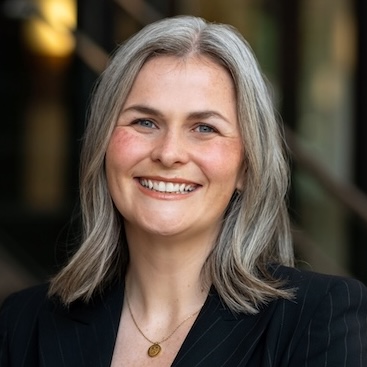
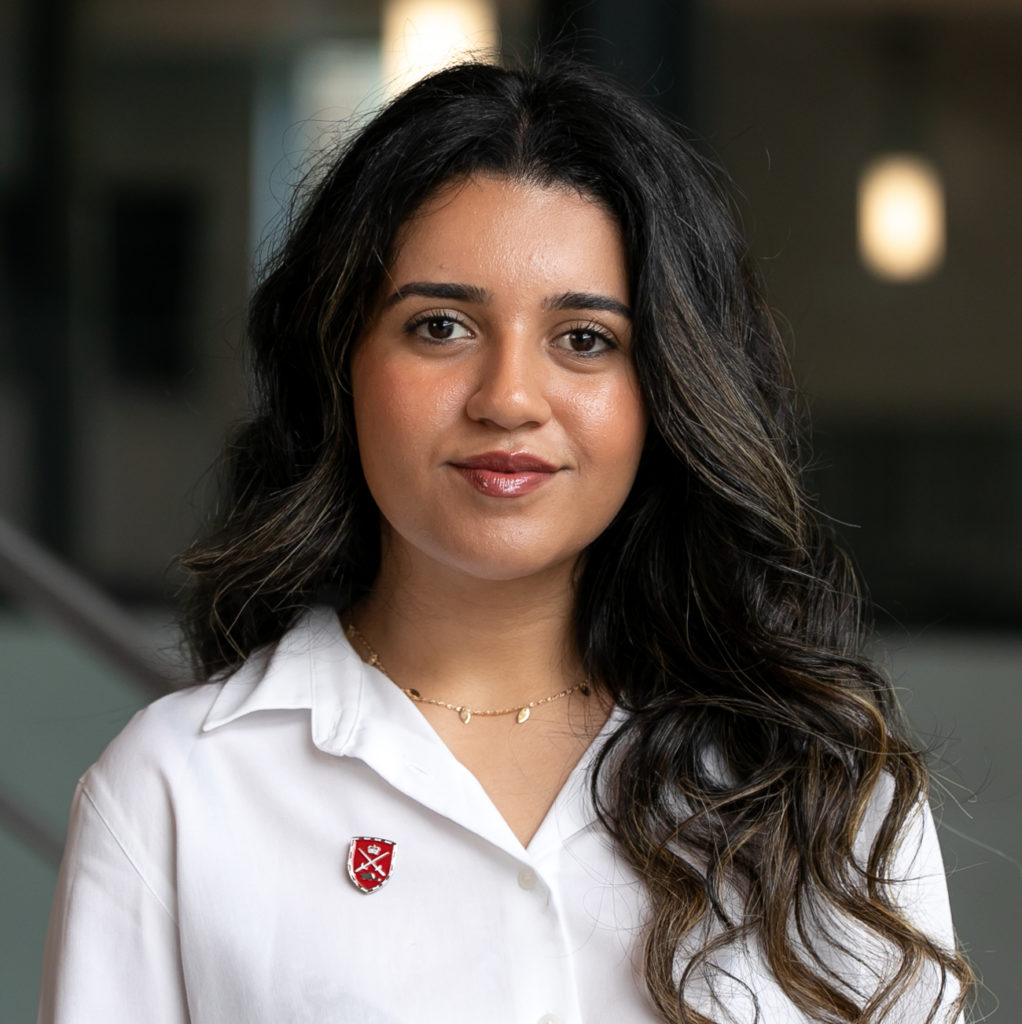
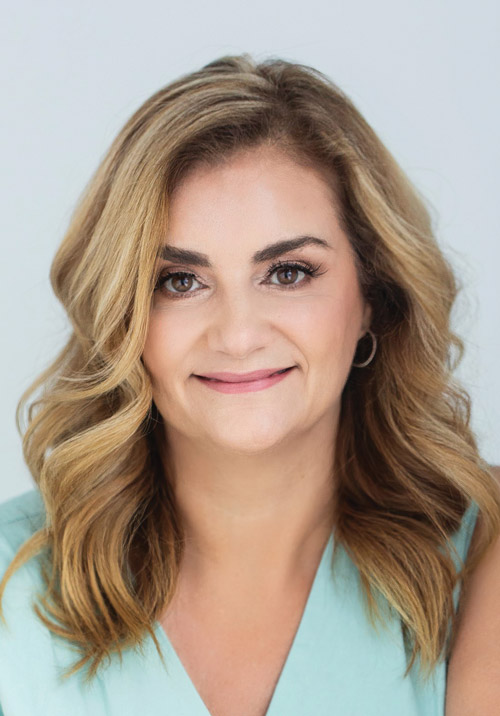 Lisa Jones Keenan is the Vice President of Sales at Xplornet Communications, the largest rural fixed wireless broadband service provider in Canada.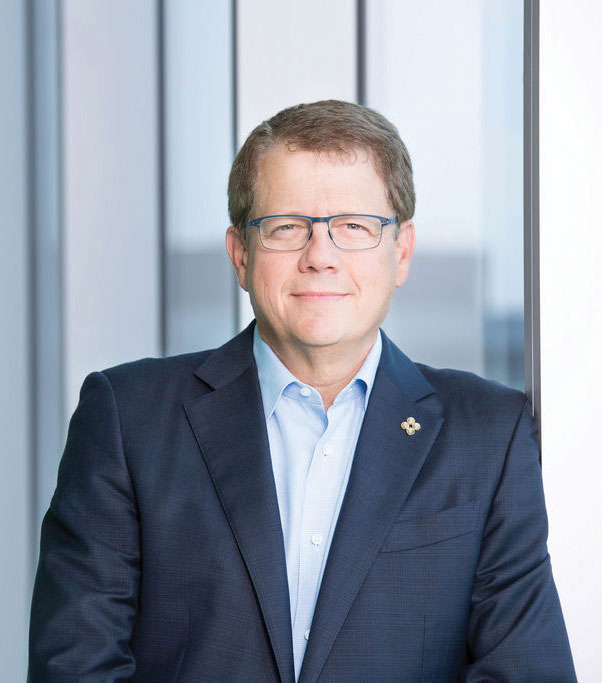
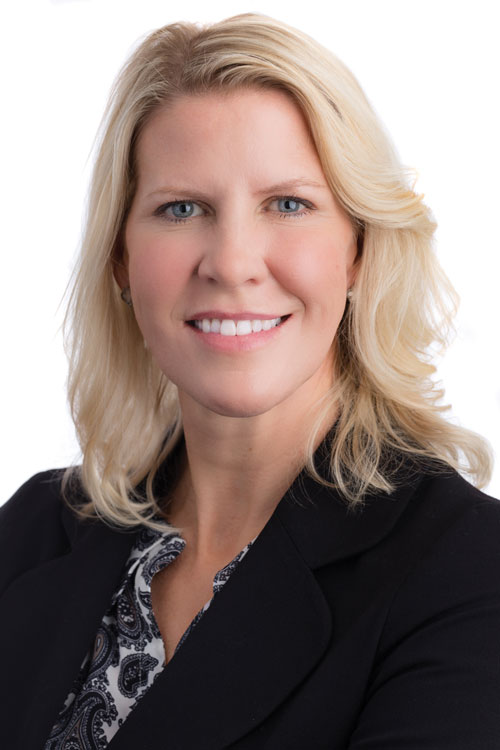 Leigh Allen is the AVP, Global Strategic Research, Reinsurance Group of America Inc., one of the world’s largest global life and reinsurance companies.
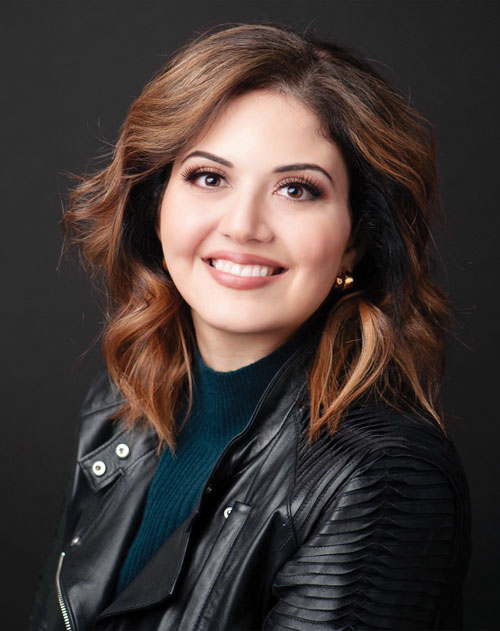 Yola Ventresca is a Managing Partner, Lerners LLP, Secretary of Huron’s Board of Governors and a Huron Class of ’02 alumni. Selected as one of Canada’s “Best Lawyers,” she is passionate about the value of Liberal Arts in helping students succeed in their careers.
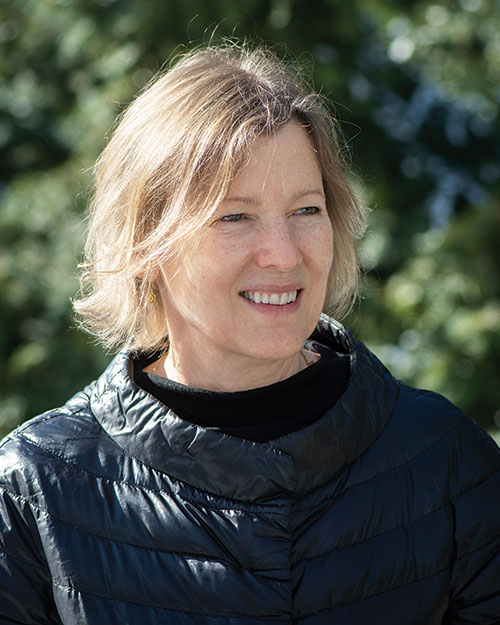 Susan Farrow is an Assistant Professor in The Temerty Faculty of Medicine at the University of Toronto and a Founding Partner and Co-Director of The Toronto Institute of Group Studies, an organization offering certified training and education in group leadership.
 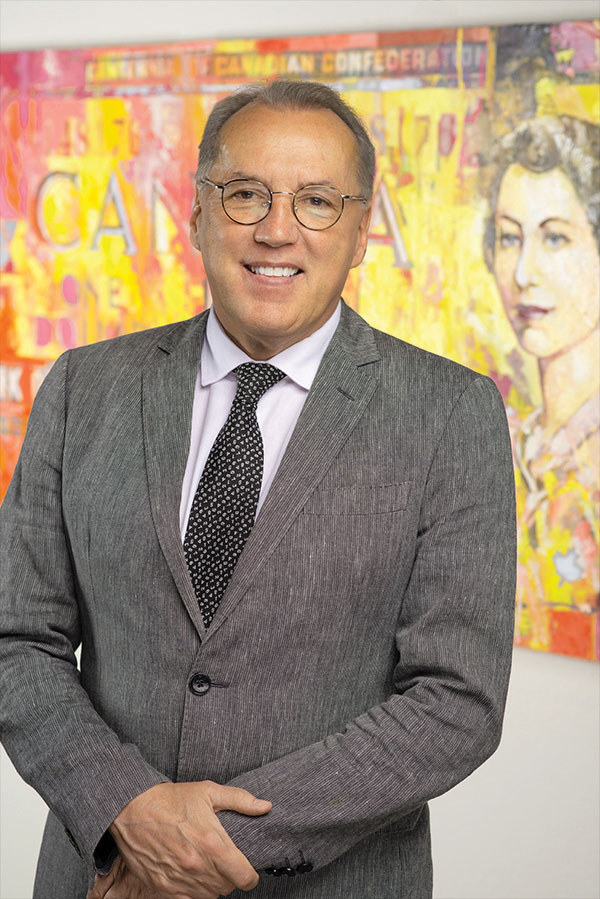 Frank Holmes is CEO and Chief Investment Officer of U.S. Global Investors, as well as a business commentator, philanthropist and Huron Class of ‘78 alumnus. Holmes also serves as the Executive Chairman of HIVE Blockchain Technologies, the first cryptocurrency mining company to go public in 2017.
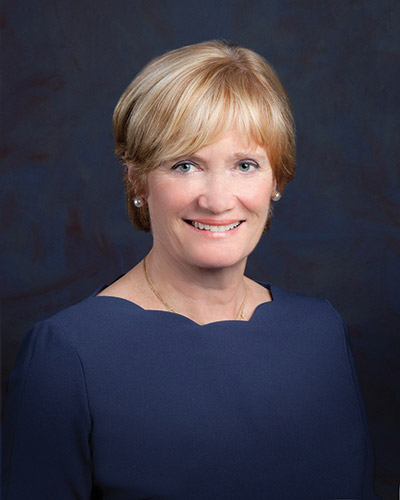 Kelly Meighen is an experienced philanthropist and volunteer. In her role as president of the T.R. Meighen Family Foundation, she has created a legacy of volunteerism and philanthropic giving in the areas of youth mental health advocacy, environmental conservation and cultural vibrancy.
 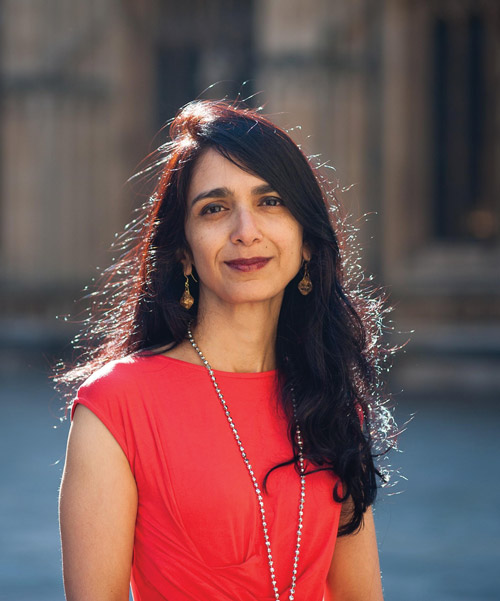 Ranjita is Executive Chair of the Oxford Global Partnership, advising investors, businesses, family offices and entrepreneurs on sustainable, inclusive and responsible value creation. A Business Fellow at Oxford University’s Smith School, Ranjita engages with companies on pursuing value with values, and teaches a postgraduate “Essentials of ESG & DEI” course.
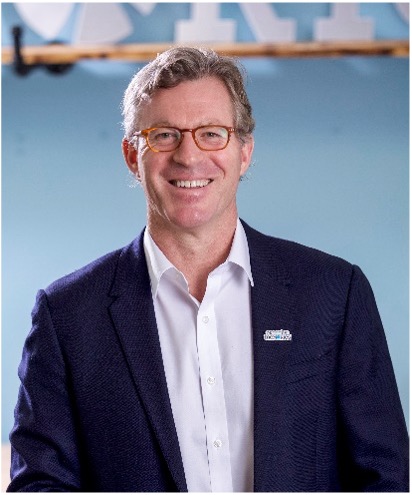 Caleb Hayhoe is the Founder & Chairman of Flowerdale Group and a Huron Class of ’85 Alumnus. Flowerdale Group is a Hong Kong based family office with a global investment outlook across public markets, real estate and private investment. Hayhoe previously spent over ten years building a global sourcing business together with an exceptional team, and remains committed to entrepreneurialism and helping great ideas become sustainable companies.