
Dr. Lucas Savino conducts research fieldwork in Patagonia
As I conduct my research in the field I always ask myself: ‘how can I make this process more collaborative, more horizontal?
During a particularly hot and humid stretch in Ontario last August, Huron faculty member Dr. Lucas Savino (Associate Professor, Centre for Global Studies) was conducting research in below zero temperatures in the south of South America. “It was snowing there!” he explained, describing his stay in the valleys of Northern Patagonia by the Andes mountain range, the traditional territories of the Mapuche peoples.
Dr. Savino’s current research—emerging from a decade of working with organizations and Indigenous communities in the region—explores how national parks and environmental conservation programs have hindered Indigenous self-determination while at the same time opening new paths for Indigenous sovereignty and a new political relationship with the state. His time in Northern Patagonia this summer was spent conducting interviews and participant observation with national parks staff and representatives from Mapuche communities who are co-managing conservation areas in the region.
The highlight of Dr. Savino’s research travel this year was the invitation to participate in a two day community celebration marking the beginning of the new cycle, the Mapuche “new year.” “I was humbled by the invitation to join both days,” he explained.
Such invitations pose a critical, and complicated, component of fieldwork. Relationship-building is central to community research, and requires respecting some times and spaces as different from those for interviews and observation. Navigating this isn’t something you learn from a research methods textbook but from engaging and learning in community settings. For Dr. Savino, ultimately “it was the community that taught me how to conduct research in a respectful and appropriate way.” His approach to fieldwork is one informed by critical, anti-oppressive research in which both the goals and the process of research projects are built into the relationship between Indigenous communities and researchers. “As I conduct my research in the field I always ask myself: ‘how can I make this process more collaborative, more horizontal?’ I always tell my students this is an ongoing commitment, not a goal you can reach at once and move on from.”
Emotionally, the most difficult part of this type of research is leaving the field and not seeing your research partners as often as you would like, admits Dr. Savino. In addition, the time-consuming processes of transcribing hours of interviews and analyzing field notes adds to a sense of disconnection from the places and people who are a meaningful part of research.
The research process doesn’t end with the return to teaching in the fall, because the inspiration gained and issues witnessed in the field also become present in the classroom. “Ultimately, my experiences in the field help me understand the global scale of the things we study,” says Dr. Savino, “the teaching that I do allows me, with the students, to look at how processes such as colonial violence, the production of knowledge, and grassroots decolonization, are global processes. Their impact is felt in everyday life in communities of Northern Patagonia but these processes circulate globally.”
In his most recent visit to Northern Patagonia Dr. Savino explored opportunities for Huron students to participate in future research projects in the region. Experiencing this type of research would allow students to think and ask questions in a deeper way about how the material impact of global processes play out at the local level, about the global nature of their studies, and about their own position—and subsequent responsibilities—in the world, as both students and researchers.
For Dr. Savino, the experience of fieldwork has contributed to his understanding of the possibilities for research to recognize, value, and contribute to ongoing quests for Indigenous self-determination in ways that are respectful and based on Mapuche ways of knowing. Building on stories is one way to begin: “In my research that’s what I like to do the most, I just listen to stories. It is through people’s stories in community that I learn about the many dimensions of Indigenous self-determination.


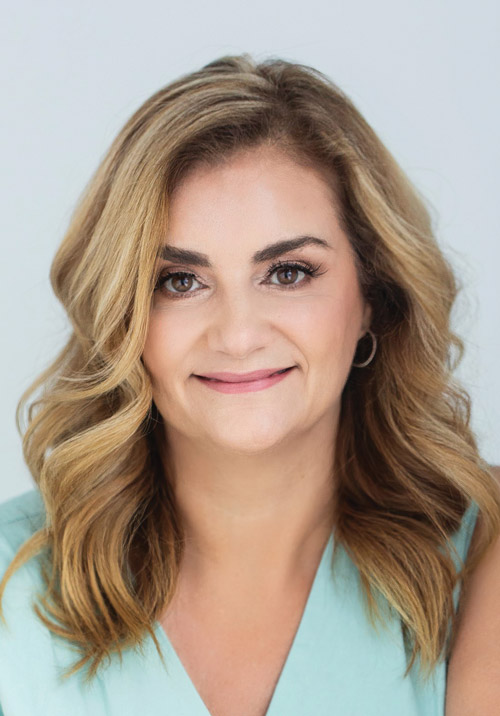 Lisa Jones Keenan is the Vice President of Sales at Xplornet Communications, the largest rural fixed wireless broadband service provider in Canada.
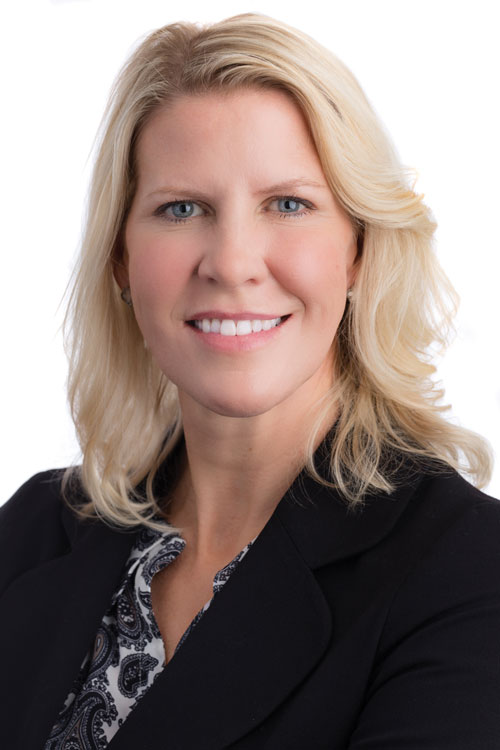 Leigh Allen is the AVP, Global Strategic Research, Reinsurance Group of America Inc., one of the world’s largest global life and reinsurance companies.
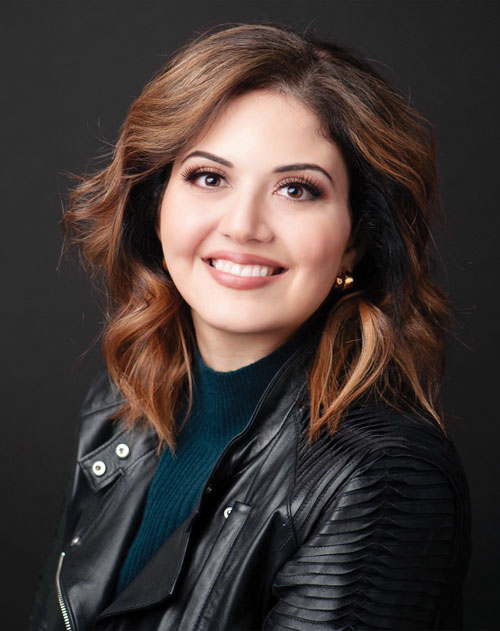 Yola Ventresca is a Managing Partner, Lerners LLP, Secretary of Huron’s Board of Governors and a Huron Class of ’02 alumni. Selected as one of Canada’s “Best Lawyers,” she is passionate about the value of Liberal Arts in helping students succeed in their careers.
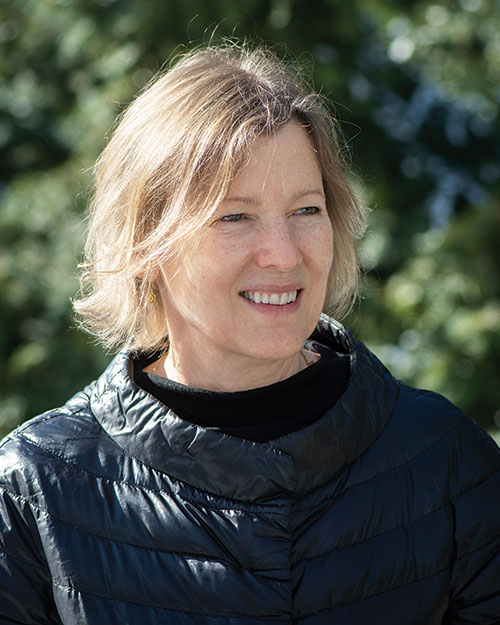 Susan Farrow is an Assistant Professor in The Temerty Faculty of Medicine at the University of Toronto and a Founding Partner and Co-Director of The Toronto Institute of Group Studies, an organization offering certified training and education in group leadership.
 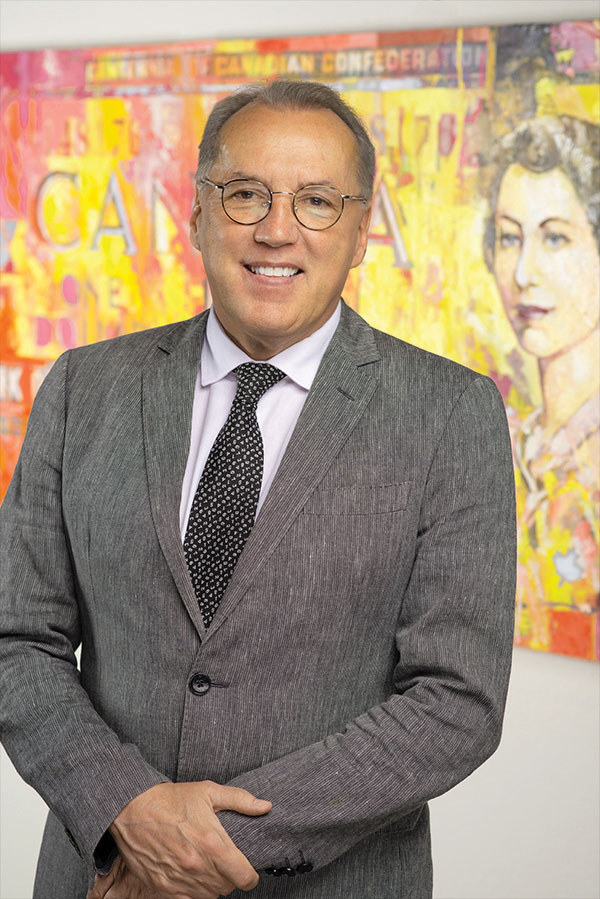 Frank Holmes is CEO and Chief Investment Officer of U.S. Global Investors, as well as a business commentator, philanthropist and Huron Class of ‘78 alumnus. Holmes also serves as the Executive Chairman of HIVE Blockchain Technologies, the first cryptocurrency mining company to go public in 2017.
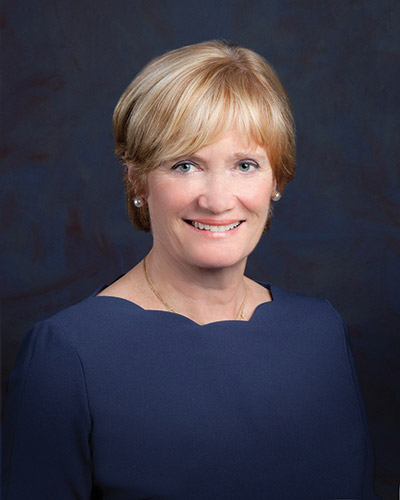 Kelly Meighen is an experienced philanthropist and volunteer. In her role as president of the T.R. Meighen Family Foundation, she has created a legacy of volunteerism and philanthropic giving in the areas of youth mental health advocacy, environmental conservation and cultural vibrancy.
 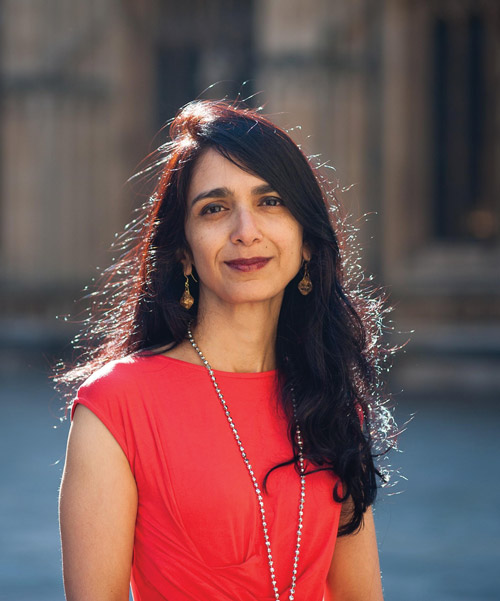 Ranjita is Executive Chair of the Oxford Global Partnership, advising investors, businesses, family offices and entrepreneurs on sustainable, inclusive and responsible value creation. A Business Fellow at Oxford University’s Smith School, Ranjita engages with companies on pursuing value with values, and teaches a postgraduate “Essentials of ESG & DEI” course.
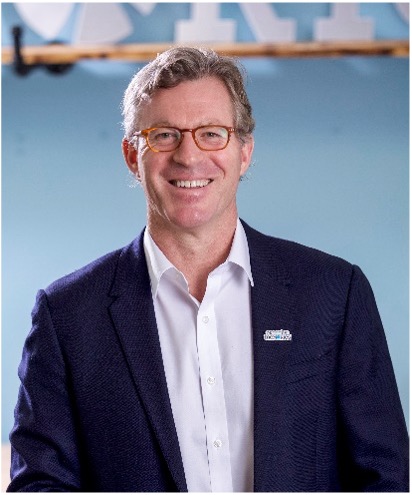 Caleb Hayhoe is the Founder & Chairman of Flowerdale Group and a Huron Class of ’85 Alumnus. Flowerdale Group is a Hong Kong based family office with a global investment outlook across public markets, real estate and private investment. Hayhoe previously spent over ten years building a global sourcing business together with an exceptional team, and remains committed to entrepreneurialism and helping great ideas become sustainable companies.