
Tri-Mentorship Program increases student engagement
This mentorship program provides space for the students to realize their skills, and really gets the senior students thinking about their roles as role models for first year students. They get to see that they can make a difference.
Since 2016, an innovative approach to academic mentoring and leadership has been running in the Department of Psychology at Huron. It’s a tri-mentorship program: senior students mentor first year students while receiving intentional mentorship from faculty members.
“Our approach is set apart from other mentorship programs,” explains Dr. Irene Cheung, “because it is explicitly academic; it is rooted in the curriculum and tied to the learning outcomes of the first year Psychology course and the degree outcomes of the Psychology program at Huron.”
The Academic Tri-Mentorship program was created by Cheung and Dr. Christine Tsang, with support from the John and Gail MacNaughton Prize for Excellence in Teaching, in order to develop the first-year students’ skills and to increase student engagement. It also provides a space for conversations and connections between students to occur on campus.
“It is impressive to see what these students produce out of a very loose framework, with very few constraints. The quality of the work, the research proposals, and demonstration of knowledge are at a level I have never seen first year students achieve,” says Tsang.
The Tri-Mentorship program has allowed first year students to thrive academically through conducting literature searches, articulating research questions, and by answering and defending proposals. Cheung reflects that “the level of engagement, the level of motivation of first year students in that context is quite different than what you would typically see.”
The mentorship program promotes intellectual discussion about psychology, with the opportunity for professors to explore how the senior and first year students interact. The senior students receive an opportunity to operate in a professional context, to reinforce their academic skill set, and to become more aware of their own abilities in leadership and role modelling. According to Tsang, “students often underestimate what they have gained out of a four-year program in the social sciences and humanities. This mentorship program provides space for the students to realize their skills, and really gets the senior students thinking about their roles as role models for first year students. They get to see that they can make a difference.”
Julia Smith (Psychology, Class of 2018) participated in the Academic Tri-Mentorship Program in the winter of 2018. Currently completing her B.Ed., Smith reflects on the relationship between the program and her current practice. She says, “The mentorship program allowed me to find ways to reach students, teach them and get them to think about the bigger picture of what we’re learning. Having the faculty support helped develop my reflection skills and helped me understand how to implement feedback into my own practice. Both of these pieces are essential in being an educator and I think that this program gave me a jump start on what it means to be an effective teacher/mentor to students of all ages.”
It’s not only the students who benefit from the mentorship program. For Tsang “the course was a risk, and it put me out of my comfort zone. I’ve been teaching for many years and one of the things I always like is controlling the components; this became one of the things I had to let go of.”
One of the largest takeaways for the faculty members is that when you step outside of the box, the freedom allows the students to connect with one another, and to excel.
“You can see change occur from year to year as students progress in a program. This change is not motivated by content. The content is really a tool or a vehicle. The mechanism of the change seems to be more about the students being really able to connect.” explains Cheung.
“The Psychology program at Huron is already set apart because of its lab component and engagement in research at the first-year level; mentorship now contributes an additional program strength. In that sense, it has been a very good, positive experience, both for the students and faculty involved and for Psychology broadly.”


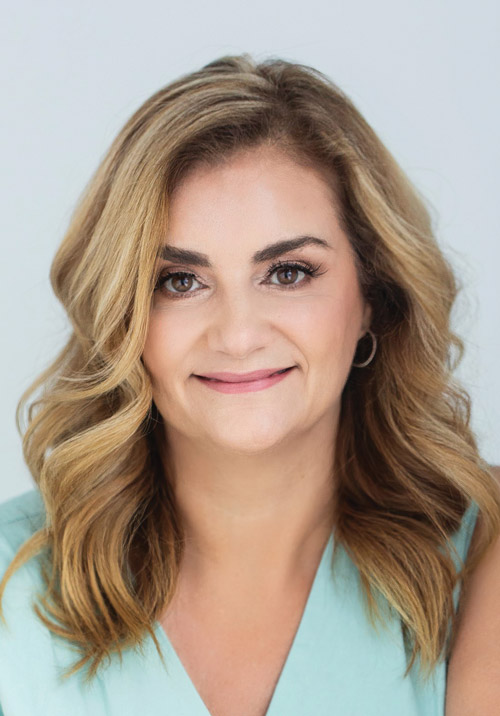 Lisa Jones Keenan is the Vice President of Sales at Xplornet Communications, the largest rural fixed wireless broadband service provider in Canada.
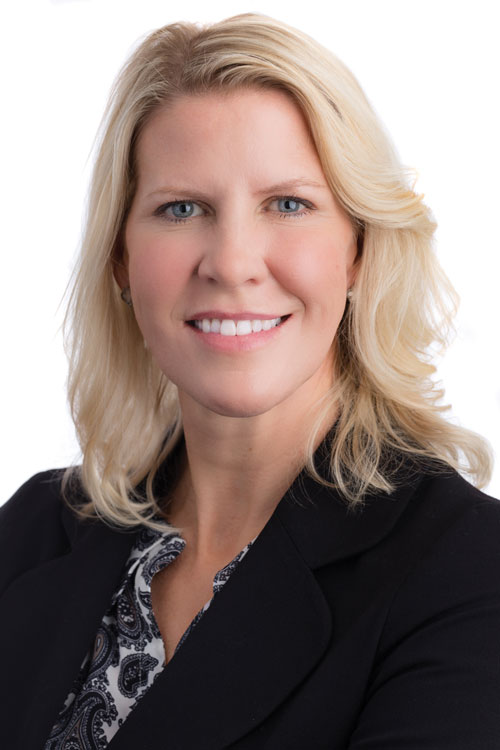 Leigh Allen is the AVP, Global Strategic Research, Reinsurance Group of America Inc., one of the world’s largest global life and reinsurance companies.
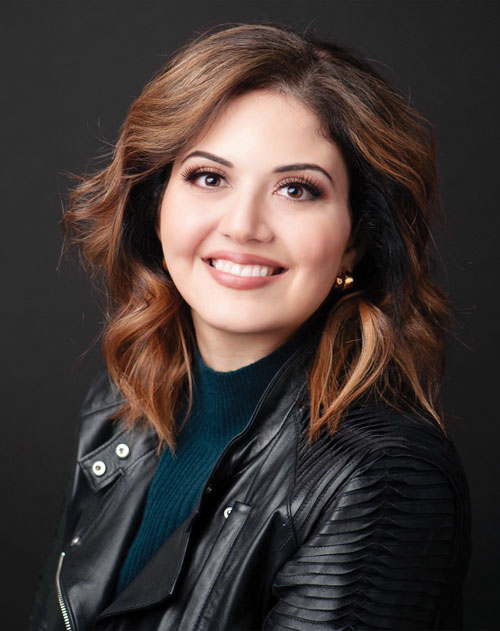 Yola Ventresca is a Managing Partner, Lerners LLP, Secretary of Huron’s Board of Governors and a Huron Class of ’02 alumni. Selected as one of Canada’s “Best Lawyers,” she is passionate about the value of Liberal Arts in helping students succeed in their careers.
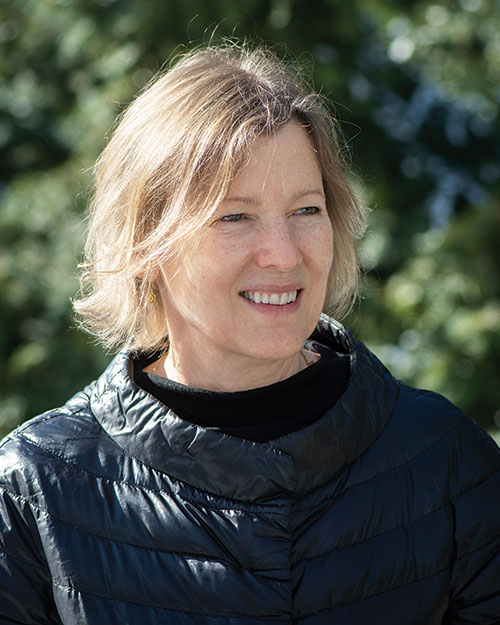 Susan Farrow is an Assistant Professor in The Temerty Faculty of Medicine at the University of Toronto and a Founding Partner and Co-Director of The Toronto Institute of Group Studies, an organization offering certified training and education in group leadership.
 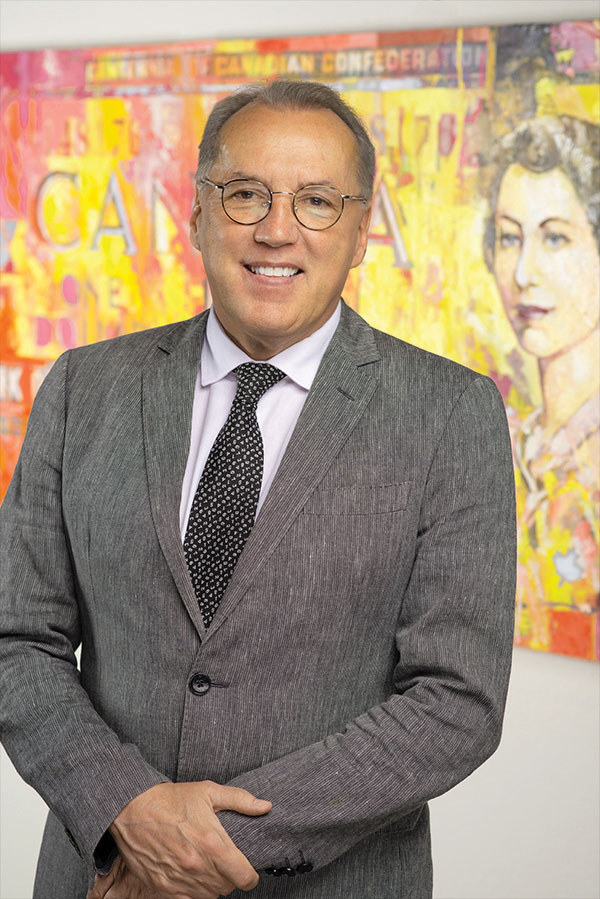 Frank Holmes is CEO and Chief Investment Officer of U.S. Global Investors, as well as a business commentator, philanthropist and Huron Class of ‘78 alumnus. Holmes also serves as the Executive Chairman of HIVE Blockchain Technologies, the first cryptocurrency mining company to go public in 2017.
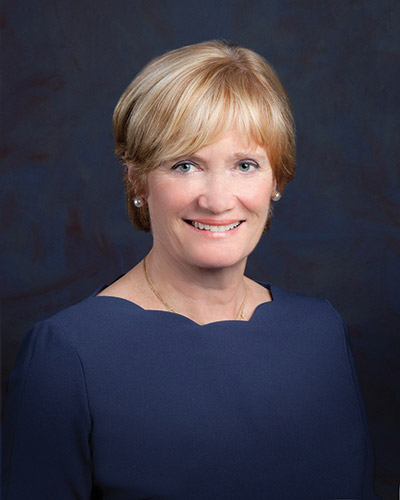 Kelly Meighen is an experienced philanthropist and volunteer. In her role as president of the T.R. Meighen Family Foundation, she has created a legacy of volunteerism and philanthropic giving in the areas of youth mental health advocacy, environmental conservation and cultural vibrancy.
 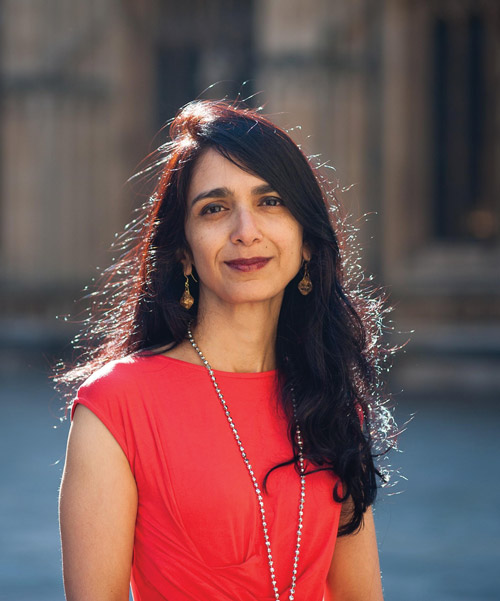 Ranjita is Executive Chair of the Oxford Global Partnership, advising investors, businesses, family offices and entrepreneurs on sustainable, inclusive and responsible value creation. A Business Fellow at Oxford University’s Smith School, Ranjita engages with companies on pursuing value with values, and teaches a postgraduate “Essentials of ESG & DEI” course.
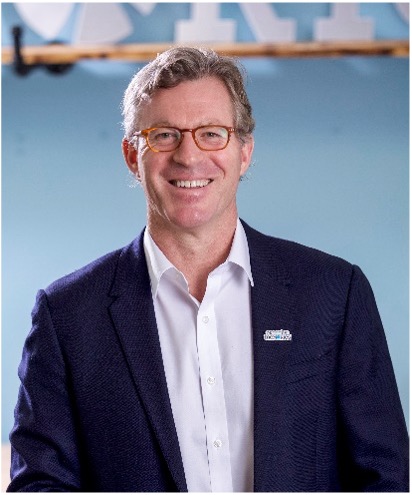 Caleb Hayhoe is the Founder & Chairman of Flowerdale Group and a Huron Class of ’85 Alumnus. Flowerdale Group is a Hong Kong based family office with a global investment outlook across public markets, real estate and private investment. Hayhoe previously spent over ten years building a global sourcing business together with an exceptional team, and remains committed to entrepreneurialism and helping great ideas become sustainable companies.