

Some leaders grow into their purpose slowly.
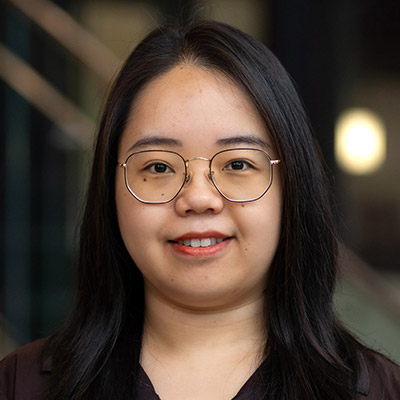
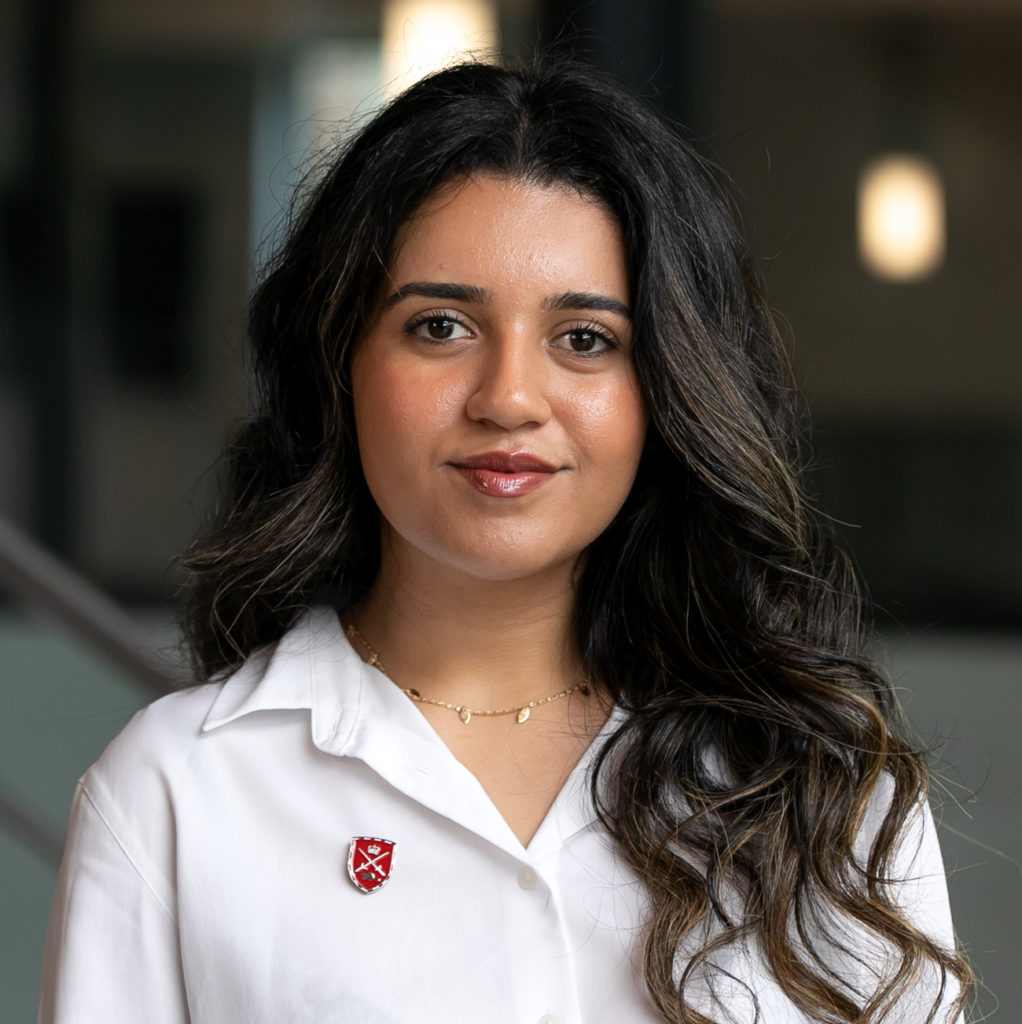
Others, like first-year Huron University student Nassali Kabugo, seem to be guided by a question so powerful that it propels them forward long before the purpose becomes clear to them. For Nassali, that question has always been “why?” And in many of the spaces they have entered, another question quickly follows: “Why not?”
Born in Uganda, Nassali describes curiosity as their greatest strength and the force behind their insatiable thirst for meaning. As a child, Nassali was never satisfied with easy explanations. If something did not make sense, they pursued it. If a norm felt unfair, they challenged it. And if someone told them “that is just how things are,” they immediately began searching for the reasons behind the limitation and imagining what could be possible if those limitations were removed.
Asking Why: The Beginning of a Purpose
Nassali grew up questioning the unwritten rules of their community, especially those surrounding gender expectations and social inequalities. By high school, Nassali was delving into sociology, economics and human rights, attempting to trace the origins of their questions back to their roots. But instead of finding simple answers, they found complexity. As a teenager, writing became the place where they could safely explore these questions, a space where their insatiable curiosity started to collide with their emerging sense of justice. The more they learned, the deeper their questions became, and the more complex the answers needed to be to satisfy them. “Why can’t I talk to the man three doors down?” turned into “Why do certain groups remain marginalized?” and grew to “Why are inequities so persistent?” And ultimately: what systems shape these realities?
This, rather than discouraging them, strengthened their commitment to understanding global issues through multiple lenses.
Why Huron?

When Nassali began exploring life after high school, they approached the process the way they approach everything: with openness, curiosity and a willingness to ask “why (not?)”. They participated in a program called “Tilting Futures” where young people from around the world come together with skills and networks to solve pressing global challenges. This focus on building networks helped Nassali discover that the answers to their “why”s may not live in textbooks, but rather in gaining skills, building networks, and being open to new opportunities; even when the paths these would forge were unclear. When looking into different opportunities, rejections did not discourage them; they viewed them as helpful redirections, reminders to focus on doors that were still open. Through this focus on opportunities and networking, they connected with Second Chance, an organization that helps exceptional students secure full scholarships to higher education.
With generous support from The Galen and Hilary Weston Foundation, Nassali was able to follow their curiosities to Canada as one of Huron’s first “Weston Scholars”, where they continue to pursue answers to some of life’s most perplexing questions. Nassali makes it clear that choosing Huron, however, was not a random stroke of luck. Through their experience with SoarAway, an experiential youth leadership initiative in Africa, they learned the importance of engaging with the past while contributing to a shared future, and they saw another way to channel their drive: not just toward personal growth, but into leadership and service for others. Huron’s values-based education, commitment to community and focus on developing Leaders with Heart aligned perfectly with their experience here, and the belief that learning should challenge assumptions and inspire change. The liberal arts model offered exactly what they wanted: the freedom to explore their questions from every angle, with teachers encouraging students to keep asking “why”!
From Polite Strangers to a Caring Community
Landing in Canada brought its own set of discoveries. Nassali laughs about how stereotypically polite Canadians are, always smiling and holding doors. What stood out most, though, was Huron’s dedication to making international students feel at home.
They speak warmly about the staff, particularly Nicole Kristoff, affectionately known as “Momma K,” whose support, care and welcoming spirit helped make Nassali’s transition much easier. From International Welcome Week to daily check-ins, Nassali found a community ready to help them not only adjust, but thrive without having to change who they are to belong.
Building Leadership from the Ground Up

At Huron, Nassali’s understanding of leadership continues to evolve. They once thought leadership was defined by empathy and structure that allowed for important things to get done, but now sees themself growing into leadership as a builder; someone who brings people together, fosters connections and lays foundations for long-term change. Conversations with fellow young changemakers, including Huron’s own refugee-turned-activist Nhial Deng, helped shape their approach. They began to see that leadership is not about sticking to a single, predetermined path. It is about collecting skills, perspectives and experiences that allow you to build something meaningful. It is about allowing curiosity to lead you somewhere new—and being brave enough to follow it.
Professors at Huron have shown them the power of interdisciplinary thinking. Through their teaching, Nassali sees clearly that everything is connected and that there is no single straight line to success. Removing the pressure to “pick one path” has allowed them to lean fully into their passions, follow their curiosity and let opportunities emerge organically.
THEIR Message: Don’t Worry, and Keep Asking Why
To younger students, Nassali offers advice grounded in their own journey. “Try not to worry. Worry makes you question your own agency and potential. Instead, chase experiences, conversations and opportunities without rigid expectations. Trust the way life unfolds, but never stop challenging norms by asking why. And when the world tries to tell you no, ask why not?”
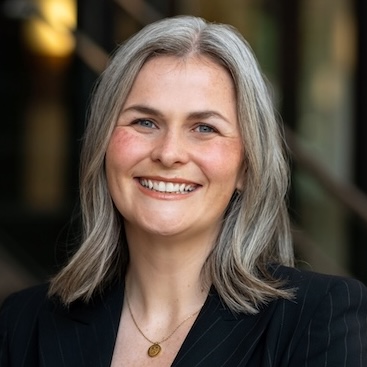

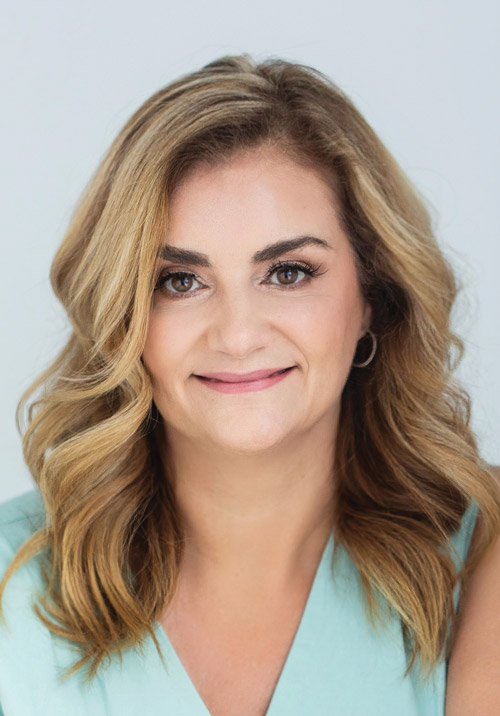 Lisa Jones Keenan is the Vice President of Sales at Xplornet Communications, the largest rural fixed wireless broadband service provider in Canada.
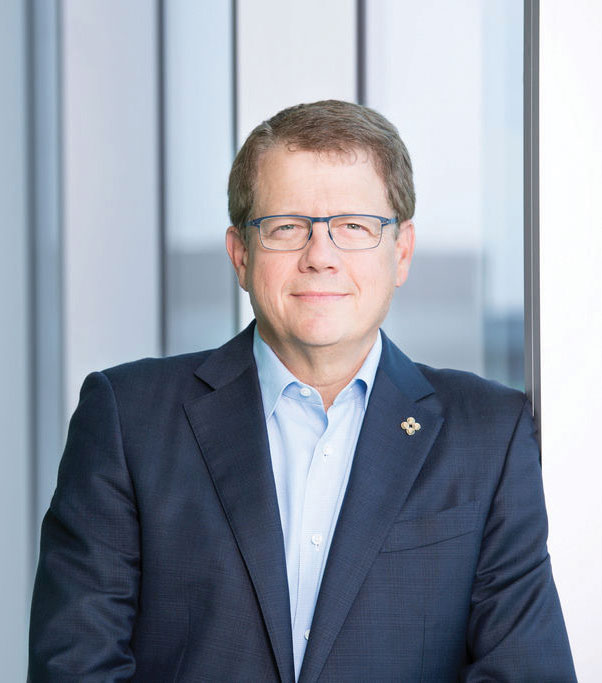
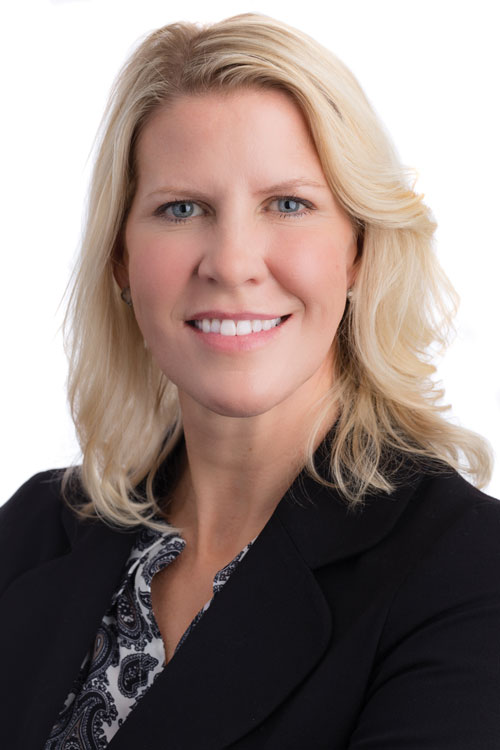 Leigh Allen is the AVP, Global Strategic Research, Reinsurance Group of America Inc., one of the world’s largest global life and reinsurance companies.
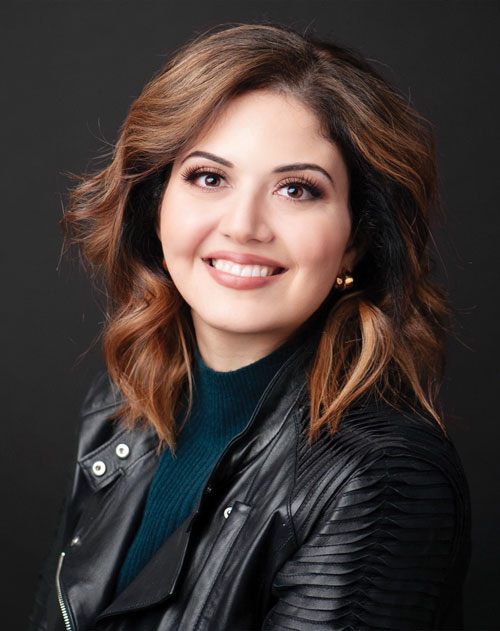 Yola Ventresca is a Managing Partner, Lerners LLP, Secretary of Huron’s Board of Governors and a Huron Class of ’02 alumni. Selected as one of Canada’s “Best Lawyers,” she is passionate about the value of Liberal Arts in helping students succeed in their careers.
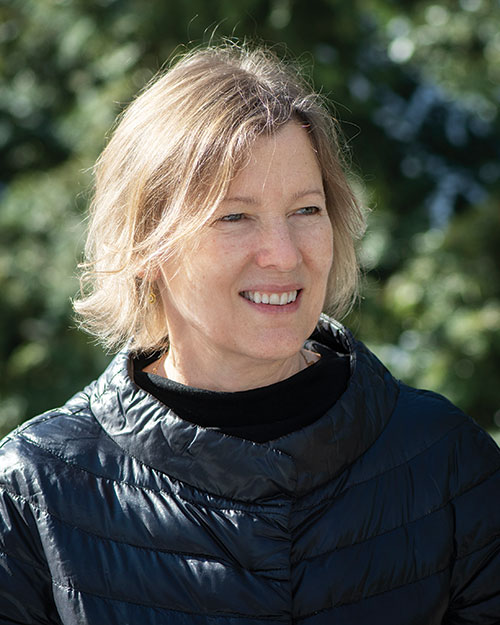 Susan Farrow is an Assistant Professor in The Temerty Faculty of Medicine at the University of Toronto and a Founding Partner and Co-Director of The Toronto Institute of Group Studies, an organization offering certified training and education in group leadership.
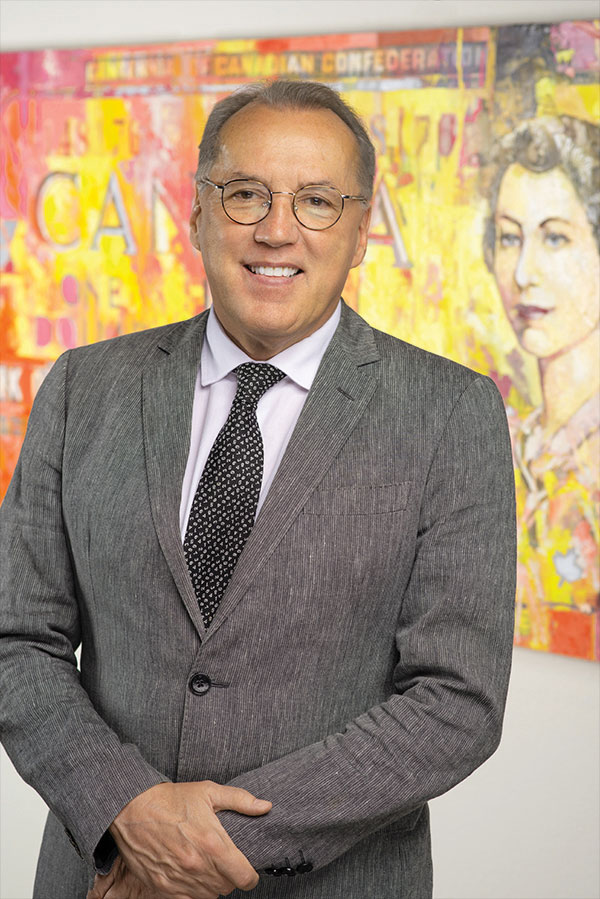 Frank Holmes is CEO and Chief Investment Officer of U.S. Global Investors, as well as a business commentator, philanthropist and Huron Class of ‘78 alumnus. Holmes also serves as the Executive Chairman of HIVE Blockchain Technologies, the first cryptocurrency mining company to go public in 2017.
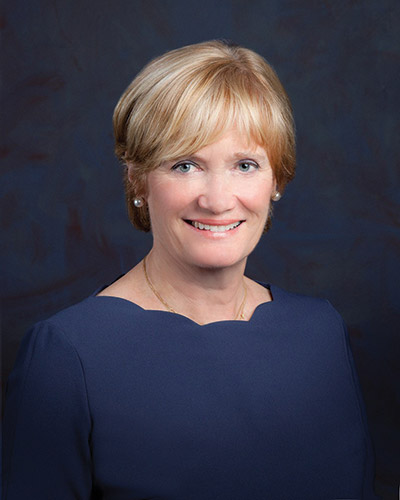 Kelly Meighen is an experienced philanthropist and volunteer. In her role as president of the T.R. Meighen Family Foundation, she has created a legacy of volunteerism and philanthropic giving in the areas of youth mental health advocacy, environmental conservation and cultural vibrancy.
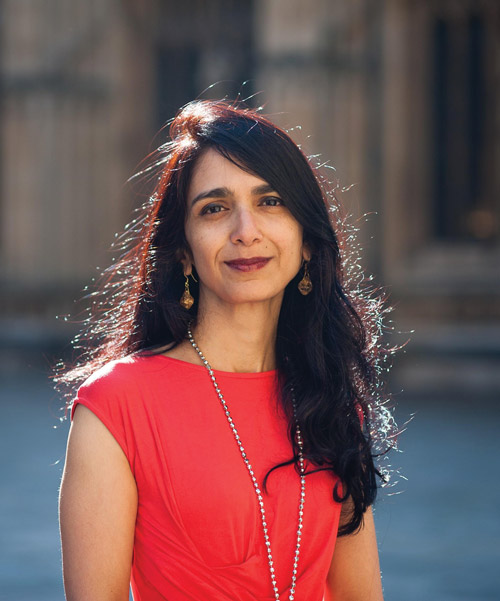 Ranjita is Executive Chair of the Oxford Global Partnership, advising investors, businesses, family offices and entrepreneurs on sustainable, inclusive and responsible value creation. A Business Fellow at Oxford University’s Smith School, Ranjita engages with companies on pursuing value with values, and teaches a postgraduate “Essentials of ESG & DEI” course.
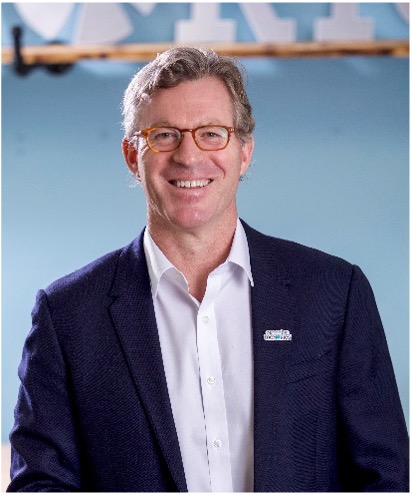 Caleb Hayhoe is the Founder & Chairman of Flowerdale Group and a Huron Class of ’85 Alumnus. Flowerdale Group is a Hong Kong based family office with a global investment outlook across public markets, real estate and private investment. Hayhoe previously spent over ten years building a global sourcing business together with an exceptional team, and remains committed to entrepreneurialism and helping great ideas become sustainable companies.