
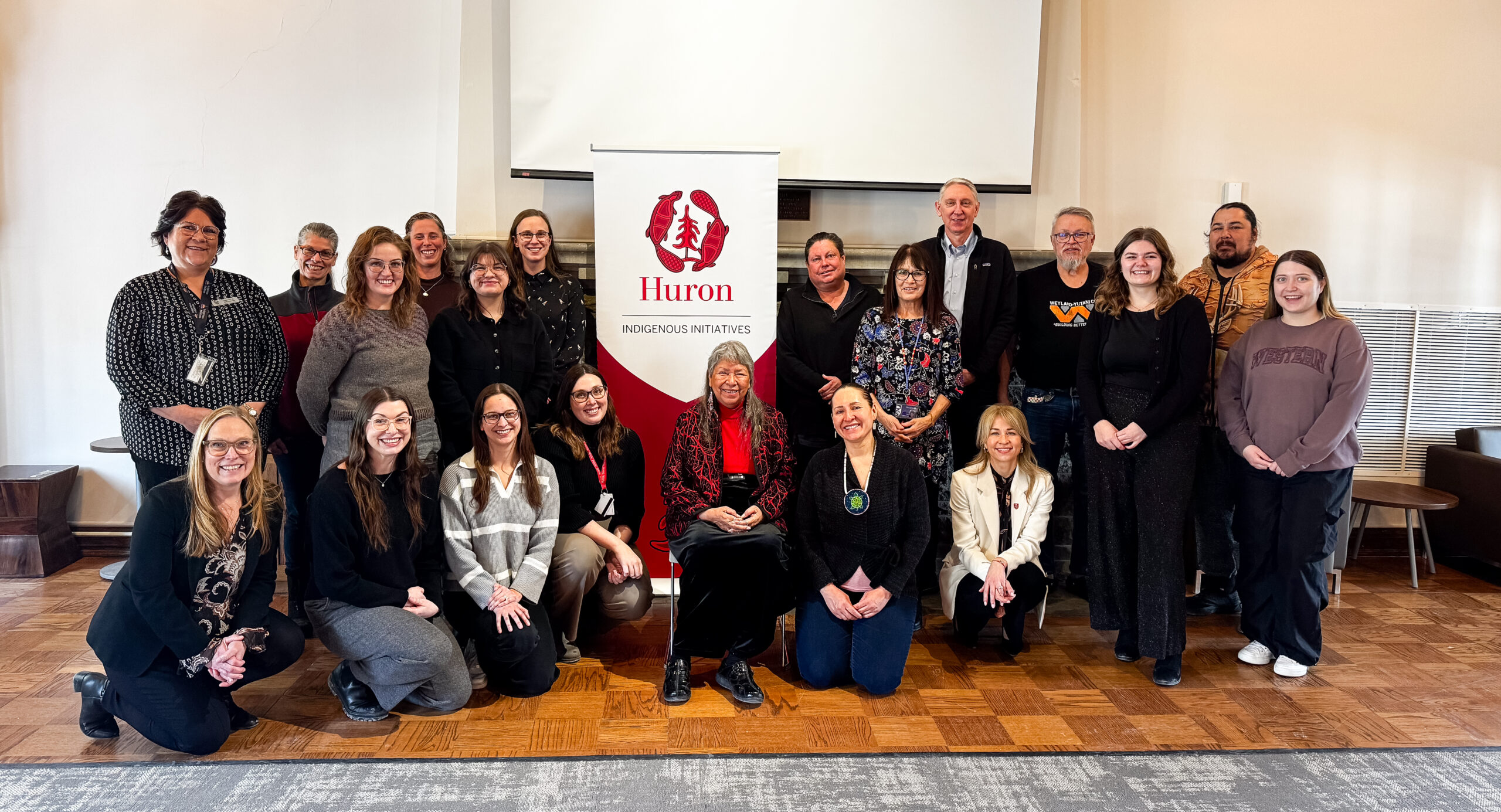
Created by Mushkego Cree artist Hawlii Pichette, Huron University’s Indigenous Initiatives logo reflects Indigenous teachings of relationship, stewardship, and shared responsibility.
LONDON, ON – Stories have long been a way to share knowledge, teachings, and values across generations, and cultures.
The introduction of Huron University’s Indigenous Initiatives logo created an opportunity for the community to reflect on the stories, teachings, and values represented within the design.
Created by Mushkego Cree (Treaty 9) artist and illustrator Hawlii Pichette, the Indigenous Initiatives logo at Huron brings together symbols that speak to relationships, stewardship, balance, and shared responsibility.
During the logo’s introduction, Elder Myrna Kicknosway of Bkejwanong Territory shared reflections on the artwork’s meaning, emphasizing the importance of storytelling as a way of passing teachings and values from one generation to the next.
Through her interpretation, the logo became more than a visual identity. It served as an invitation to consider the responsibilities all people share to care for one another, the land, and the water. The logo serves as a reminder of the values that guide Indigenous Initiatives at Huron and the University’s ongoing commitment to truth and reconciliation, mutual respect, and community.
THE MEANING BEHIND THE DESIGN
Huron partnered with Mushkego Cree (Treaty 9) artist and illustrator Hawlii Pichette to create a visual identity for Indigenous Initiatives that would reflect the relationships, values, and responsibilities at the heart of this work.
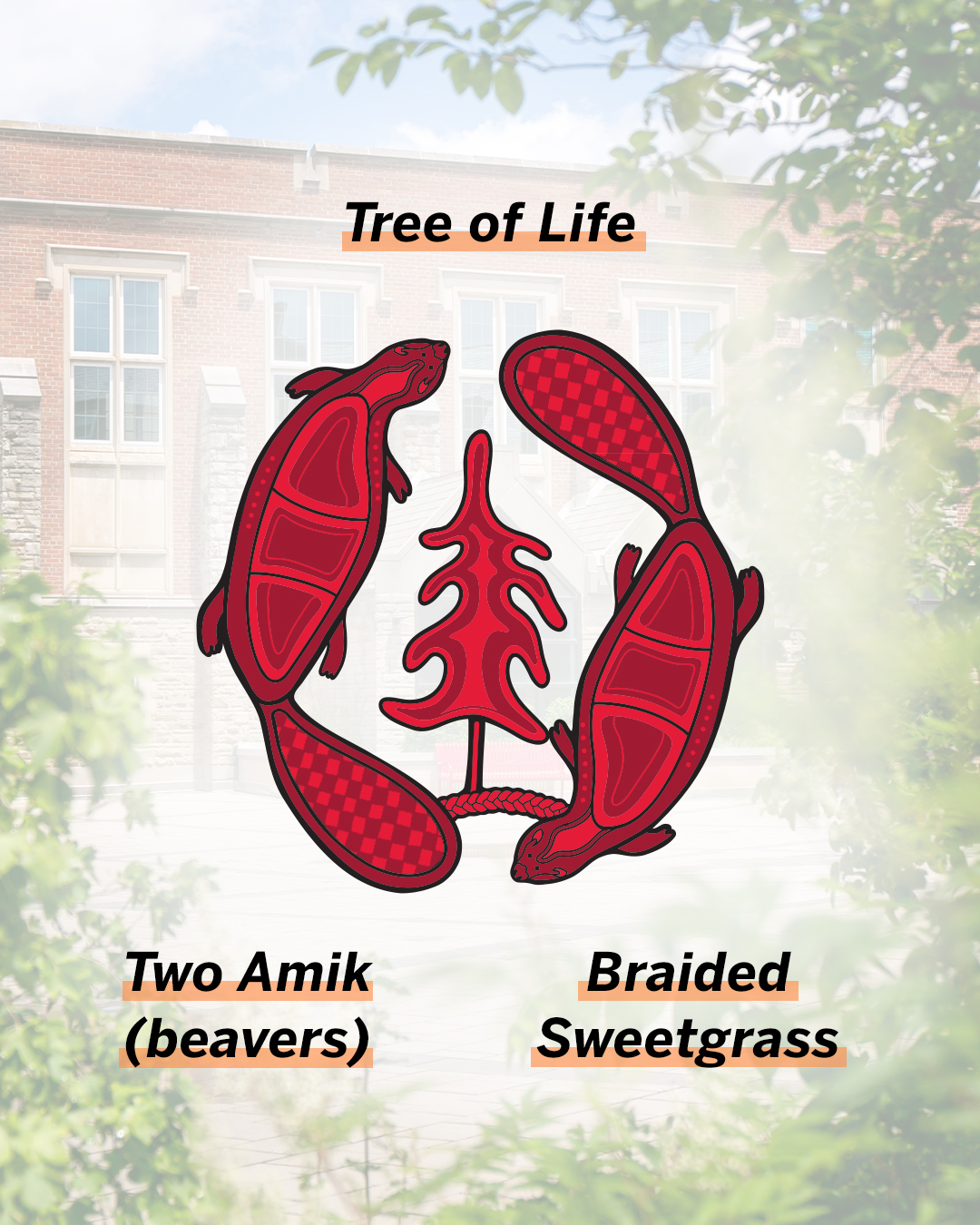
Deeply influenced by her culture and upbringing, Pichette’s work reflects the interconnectedness of the natural world. The artwork features braided sweetgrass, the Tree of Life, and two Amik (beavers), each carrying its own significance.
In Anishinaabe teachings, Amik is often described as a builder, teacher, and caretaker. Beavers work together to shape their environment, creating conditions that allow plants, animals, and communities to thrive. Within the logo, the two Amik reflect Huron’s history and enduring connection to the land, positioned in a way that symbolizes balance, harmony, cooperation, and collective responsibility.
The design also incorporates braided sweetgrass, which often represents the connection of mind, body, and spirit and is associated with kindness and honesty.
At the centre, the Tree of Life represents growth, transformation, and renewal. It is deeply tied to the land and the Creator, symbolizing the interconnectedness of all living things, the relationships that sustain communities across generations. Finally, it is a reminder of the ongoing journey toward learning and reconciliation.
At Huron, the Tree of Life also invites reflection on the transformative power of education. It serves as a reminder of our responsibility to learn, unlearn, and remain open to new perspectives. Through liberal arts education and meaningful learning experiences, students develop the knowledge, integrity, character, and curiosity needed to make meaningful contributions to their communities and the world around them. In this way, the Tree of Life reflects Huron’s commitment to fostering lifelong learning and positive impact.
Together, these elements tell a meaningful story, and reflect a vision for Indigenous Initiatives that are rooted in relationship and guided by respect.
RECONCILIATION THROUGH RELATIONSHIP
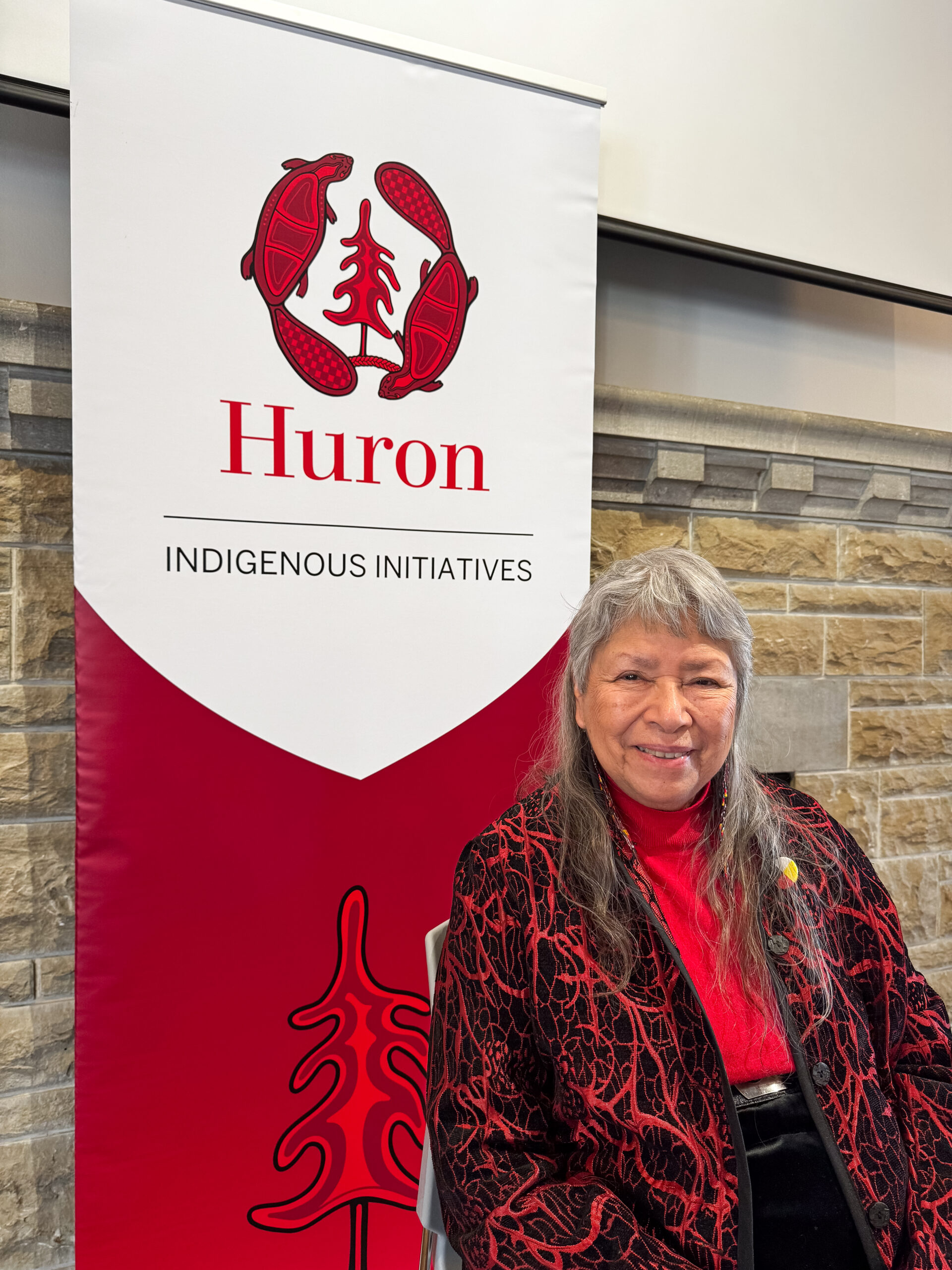
At the gathering, Elder Myrna spoke about what many Indigenous communities describe as Original Instructions: teachings about our responsibilities to one another, the land, and the water.
Her reflections encouraged attendees to consider how those responsibilities continue to shape relationships today and how communities can work together to create a more respectful and balanced future.
For Huron, those teachings carry particular significance. As an institution with a complex history and an ongoing commitment to truth, reconciliation, and relationship-building, Huron continues to strengthen its connection with Indigenous communities while creating opportunities for learning, understanding, and meaningful action.
The symbolism woven throughout the logo invites reflection on the role that relationships, respect, kindness, and shared responsibility play in building stronger communities. Rather than offering a single interpretation, the design encourages members of the Huron community to consider how these values can guide their own learning, actions, and relationships with one another.
The values reflected in the logo also align with broader commitments guiding Huron’s future, and resonate with Huron’s Strategic Plan, Leading with Heart, which calls on the University to foster a community rooted in mutual respect, meaningful engagement, and care for one another and the world. Through commitments to reconciliation, community-building, and environmental stewardship, the plan challenges Huron to create a future grounded in shared responsibility. The values represented by the two Amik, braided sweetgrass, and Tree of Life offer a visual expression of those aspirations.
LEARNING THROUGH STORYTELLING AND CONNECTION
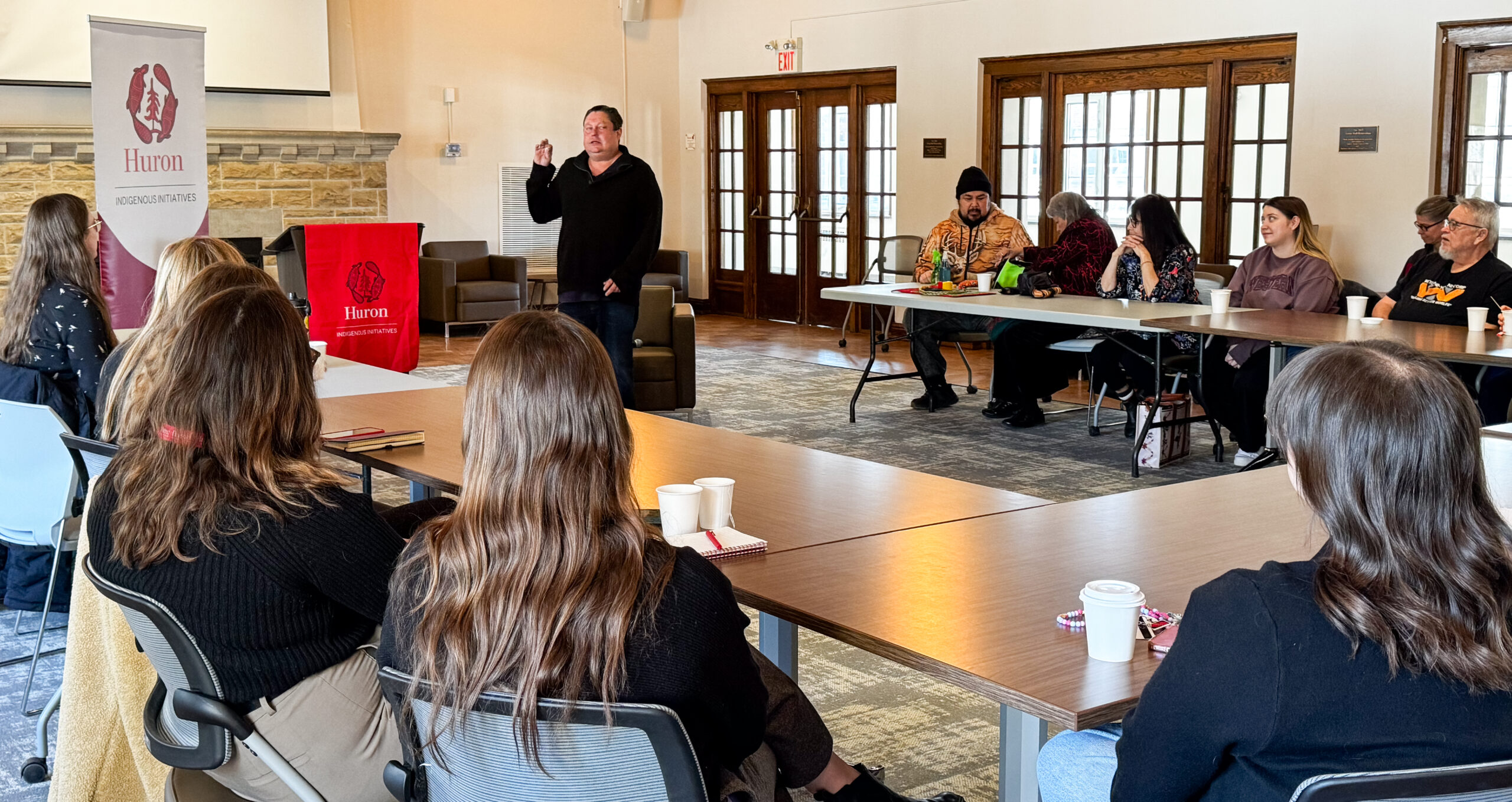
Through stories and symbols, communities can better understand their responsibilities to one another and the values they hope to carry forward. The logo encourages reflection on how members of the Huron community can strengthen our commitment to a culture of respect, inclusion, and belonging.
Storytelling has long served as a way of sharing knowledge, values, and responsibilities across generations.

“Symbols tell stories. They help us understand who we are, where we’ve been, and how we move forward together,” explains Sean Hoogterp, Indigenous Initiatives Coordinator at Huron. “This logo gives our community an opportunity to learn from Indigenous teachings and reflect on the relationships we want to build at Huron.”
LOOKING FORWARD
This important initiative and milestone in Huron’s history also reflects a commitment to learning from Indigenous knowledge, honouring Indigenous voices, and building a future rooted in mutual respect.
As Huron continues its journey of truth and reconciliation, the Indigenous Initiatives logo serves as a guide for future learning, dialogue, and relationship-building across campus. It creates opportunities for the Huron community to reflect on its role in advancing reconciliation and fostering meaningful connections with Indigenous communities.





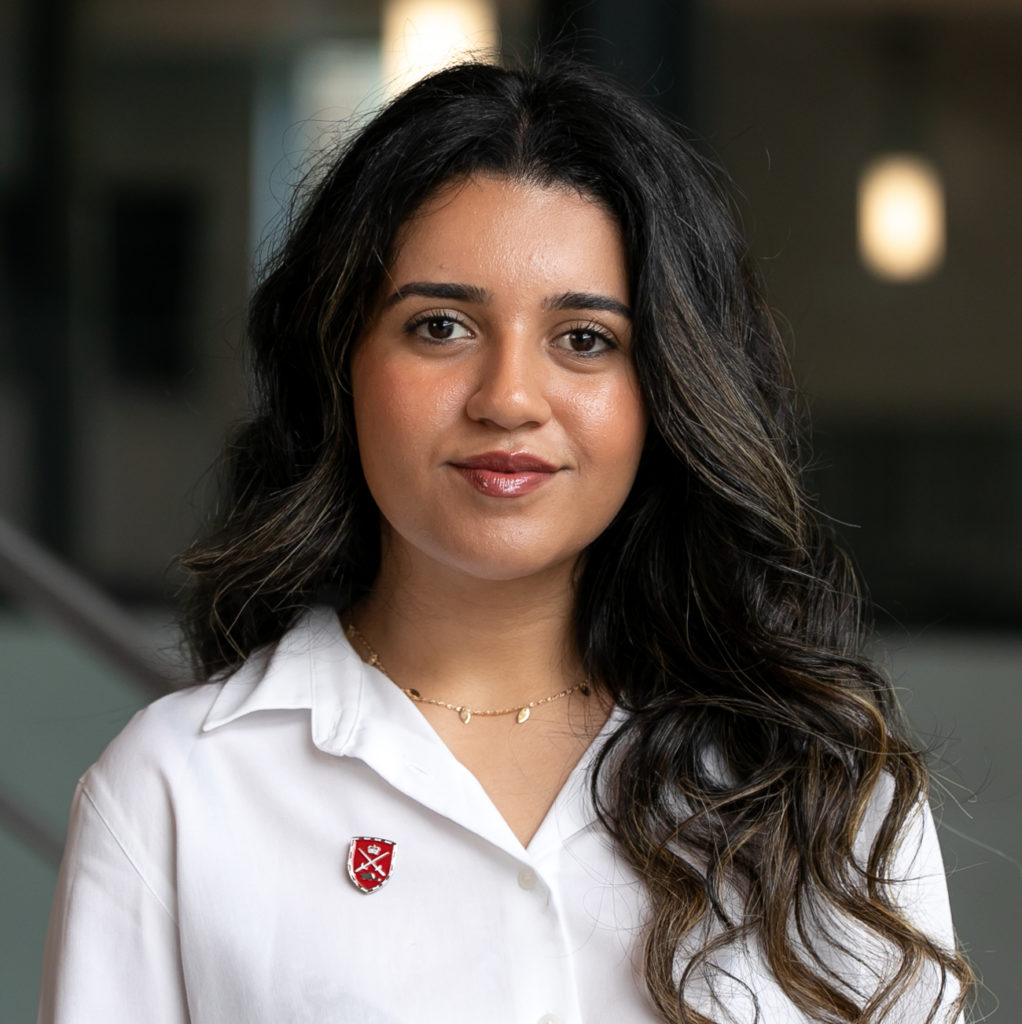


 Lisa Jones Keenan is the Vice President of Sales at Xplornet Communications, the largest rural fixed wireless broadband service provider in Canada.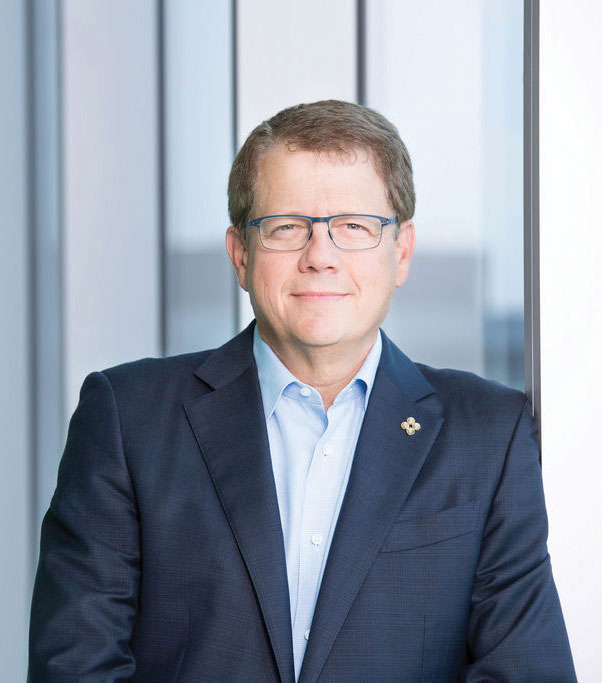
 Leigh Allen is the AVP, Global Strategic Research, Reinsurance Group of America Inc., one of the world’s largest global life and reinsurance companies.
 Yola Ventresca is a Managing Partner, Lerners LLP, Secretary of Huron’s Board of Governors and a Huron Class of ’02 alumni. Selected as one of Canada’s “Best Lawyers,” she is passionate about the value of Liberal Arts in helping students succeed in their careers.
 Susan Farrow is an Assistant Professor in The Temerty Faculty of Medicine at the University of Toronto and a Founding Partner and Co-Director of The Toronto Institute of Group Studies, an organization offering certified training and education in group leadership.
 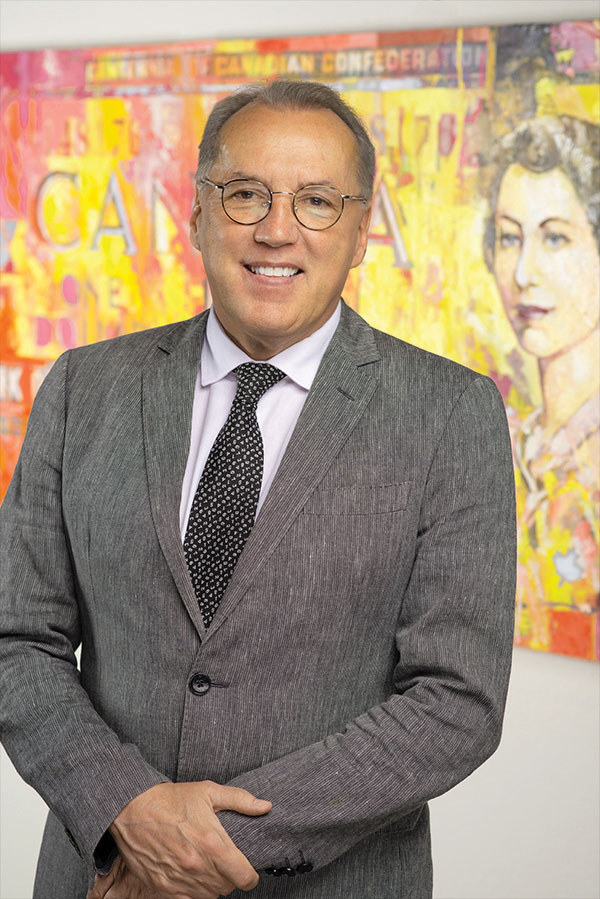 Frank Holmes is CEO and Chief Investment Officer of U.S. Global Investors, as well as a business commentator, philanthropist and Huron Class of ‘78 alumnus. Holmes also serves as the Executive Chairman of HIVE Blockchain Technologies, the first cryptocurrency mining company to go public in 2017.
 Kelly Meighen is an experienced philanthropist and volunteer. In her role as president of the T.R. Meighen Family Foundation, she has created a legacy of volunteerism and philanthropic giving in the areas of youth mental health advocacy, environmental conservation and cultural vibrancy.
  Ranjita is Executive Chair of the Oxford Global Partnership, advising investors, businesses, family offices and entrepreneurs on sustainable, inclusive and responsible value creation. A Business Fellow at Oxford University’s Smith School, Ranjita engages with companies on pursuing value with values, and teaches a postgraduate “Essentials of ESG & DEI” course.
 Caleb Hayhoe is the Founder & Chairman of Flowerdale Group and a Huron Class of ’85 Alumnus. Flowerdale Group is a Hong Kong based family office with a global investment outlook across public markets, real estate and private investment. Hayhoe previously spent over ten years building a global sourcing business together with an exceptional team, and remains committed to entrepreneurialism and helping great ideas become sustainable companies.