
HOW IT ALL STARTED
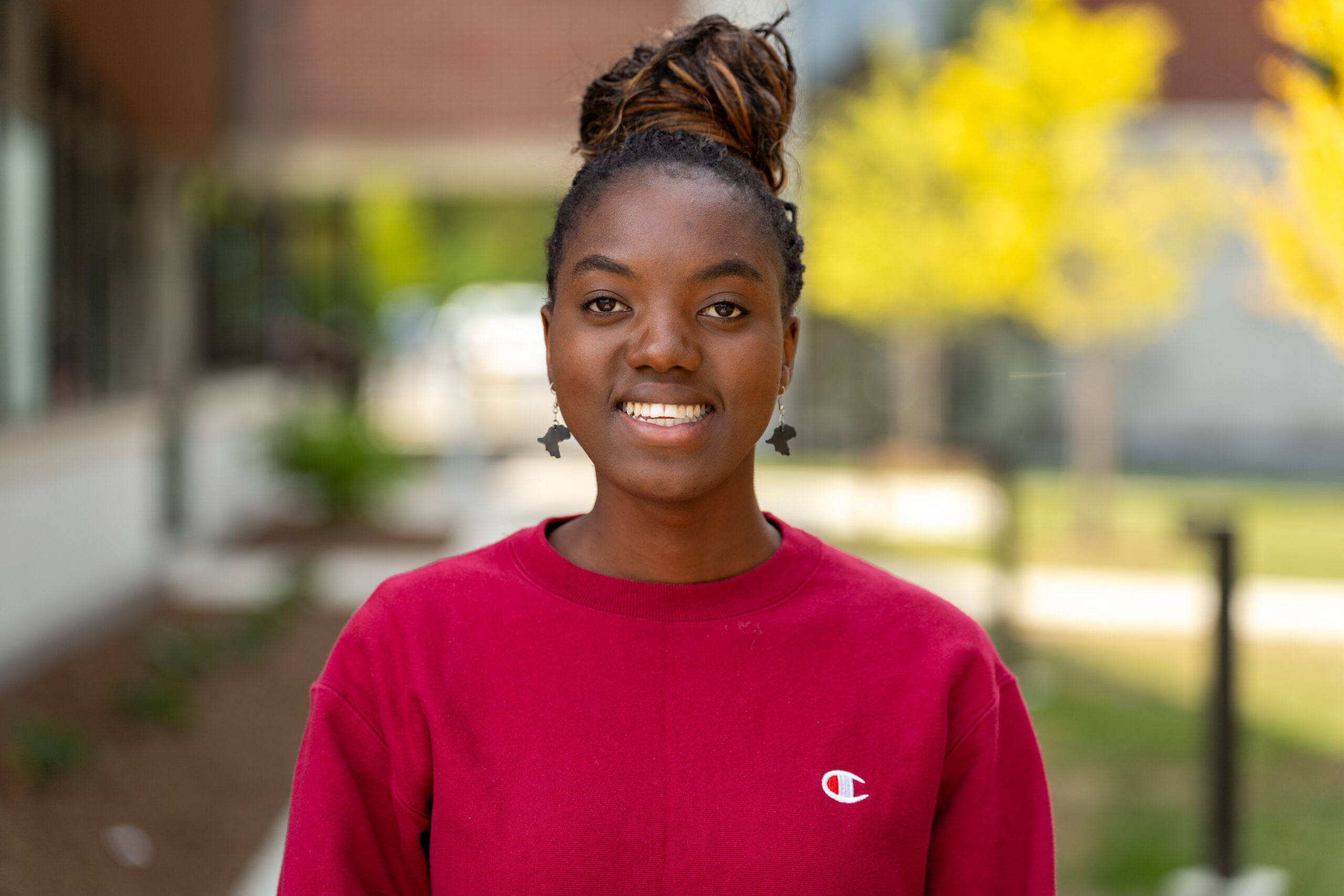
For Nantume, action has never required perfect circumstances, only a decision to begin. She learned early that small tools can create big change, especially when they are placed in the hands of a community that cares for one another. That mindset led her to take on period poverty as a high school project at a time when simply attending school felt out of reach, and it continues to shape her path as a Weston International Scholar at Huron University.
Growing up in rural Uganda with five brothers and facing period poverty, Nantume learned early what it means to keep moving forward, even when the path feels uncertain. In a community shaped by classism and limited opportunities, her dream was simple: to finish high school. She was inspired by her uneducated father, who firmly believed that education could change what felt inevitable.
After countless attempts through her father’s network, Nantume earned a scholarship and began attending Xi’an Liangjiatan International School (XLIS) online from Uganda in Grade 9, alongside her elder brother in Grade 10. With guidance from her mentor, Daun Yorke, she joined the student council and began openly sharing her passion for ending period poverty. At the time, she did not realize that the Grade 10 MYP (Middle Years Programme) Personal Project would soon provide a platform to address an issue she had both expressed and lived through.
Inspired by her brother’s project, which supported 600 households with access to water, Nantume began her own impact journey by confronting period poverty which was an issue she had seen disadvantage girls and women in both visible and unseen ways. Her decision was not met with immediate support; some were cautious, while others undermined her efforts. Rather than stepping back, Nantume pressed forward—listening, refining her approach, and building trust. Over time, she gained support from her village leader, her online school community, and through debates and podcasts such as Empathy to Impact, which helped her advocate and continue the important work of turning her vision into reality.
A Hidden Barrier: Period Poverty and Lost Opportunity
For many women and girls across the world, including in Nantume’s village, menstruation is not always something that is easy to manage or carry on with. Period poverty, the lack of access to safe, affordable menstrual products and education due to financial constraints or social stigma, can become a serious barrier to girls’ daily lives, health, employment, and full participation in society. The fear of staining clothing or furniture, being judged, or not having the supplies needed to manage a period safely can keep girls home from school, and women from work. Over time, missed days compound until a temporary disruption becomes a lasting disadvantage.
Nantume describes how period poverty can push some women into “survival mode.” When education becomes harder to access and employment feels out of reach, some young women feel pressured to rely on intimate relationships for safety and stability. In her community, she observed that pressure can lead to early or unplanned pregnancy and fewer choices for an independent future.
For Nantume, the injustice of that cycle was impossible to ignore. The first tangible milestone came through a fundraiser for the equipment that made the solution possible: a sewing machine. There was no official office, no polished workspace, and nowhere close to perfect conditions to begin sewing sanitary pads for women. There was simply a machine placed under a tree, and a group of women willing to try something new together. From the beginning, Nantume’s vision was larger than the products themselves. It was about dignity, empowerment, and life-changing skills. As women learned to sew reusable sanitary pads, they gained practical training and confidence and began to see themselves as creators of solutions rather than people confined to a story that felt already written. She reached out to talk to girls in local schools. Her support strengthened confidence and restored choice. It created space for women to gather, build skills, and contribute to a solution that could be sustained within their own community.
When the World Stopped, She Kept Going
Near the end of Grade 10, COVID-19 disrupted everything, including a scholarship opportunity Nantume had hoped would allow her to continue her education. Travel halted, plans changed, and the future became uncertain. For many people, the global pause was a setback that stalled progress and, in some cases, erased hard-won momentum.
For Nantume, it became a turning point. While waiting for opportunities to reopen, she chose to focus even more deeply on the work she had already begun. She applied for a grant to support her project, and when the funding came through, the initiative expanded in both scope and sustainability. The project was able to rent space, support original participants as instructors, and innovate the product itself, creating comfortable, reusable pads designed to last up to three years. That durability meant consistent access and fewer monthly barriers for women and girls who wanted to stay in school and pursue work. Just as importantly, the skills participants gained in sewing, innovation, and marketing proved life-changing.
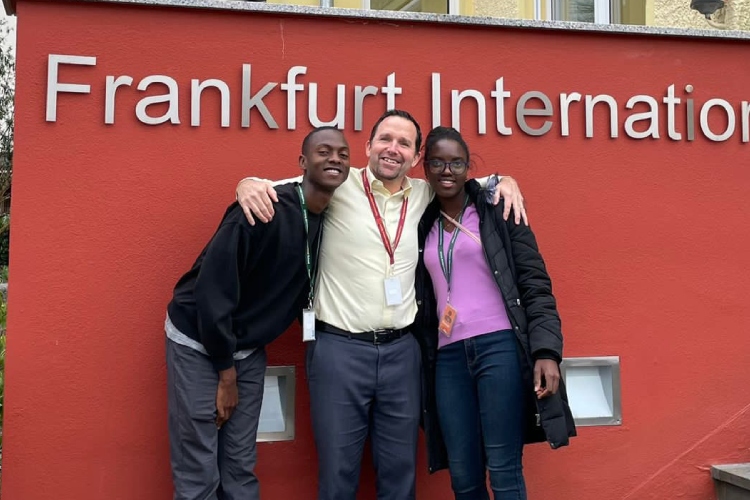
As the pandemic moved life online, Nantume and her brother were invited to share their story at a Changemakers Conference, following their second podcast appearance with Empathy to Impact. In the episode, Nantume and her brother spoke about attending school virtually and using student-led initiatives to create change in their community. Their message was simple: empathy becomes power when it leads to action. That student voice travelled further than they expected. The Frankfurt International School students who heard the episode felt compelled to help, inviting Nantume and her brother to speak at a conference. Mentors began supporting them behind the scenes, offering resources and guidance and working to help open doors for their future.
From Uganda to Canada to Huron
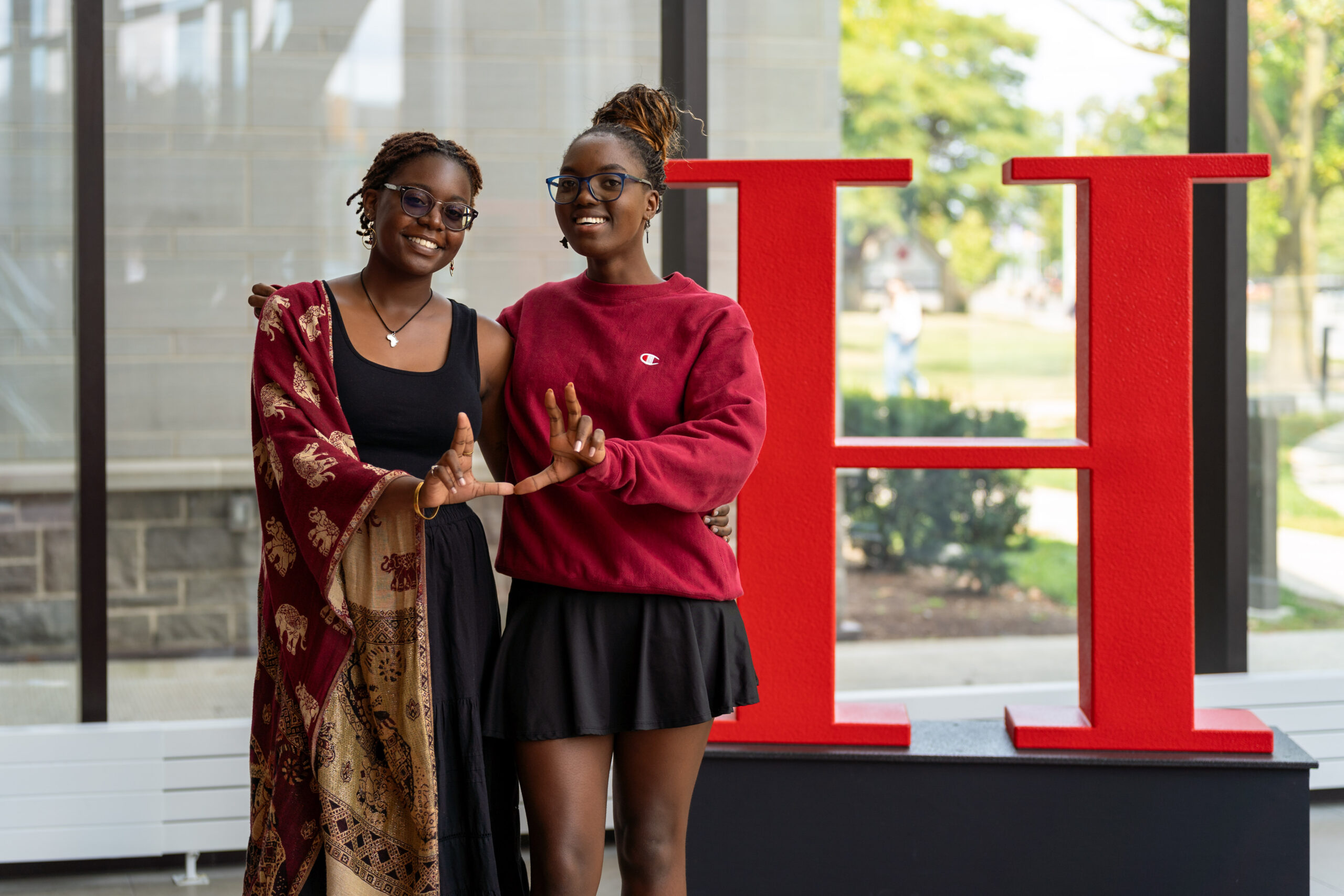
Through these networks of support, Nantume was connected with Ridley College in Ontario, Canada. When she was accepted, Nantume remembers the joy and disbelief her family felt, the kind of moment that reshapes what seems possible. But moving to Canada also meant stepping into independence for the first time, and doing so without her family, who had always been close by as her guide and anchor. Nantume remembers the transition as surreal. She wrote every day in her first term, trying to make the experience feel real while adjusting to a new country, new routines, and a new sense of self. With the support of mentors at Ridley, including Headmaster Mr. Kidd, Nantume found her footing and began to imagine what her next chapter could become.
When Nantume began exploring life after high school, she approached the process the way she approaches everything: with gratitude first, for the chance to choose and for the people who helped her get there. Then came passion, determination, and a willingness to take action, even when the path ahead was unclear. Rooted in advocacy, service, and leadership, her story reflects the kind of student Huron is committed to supporting and developing.
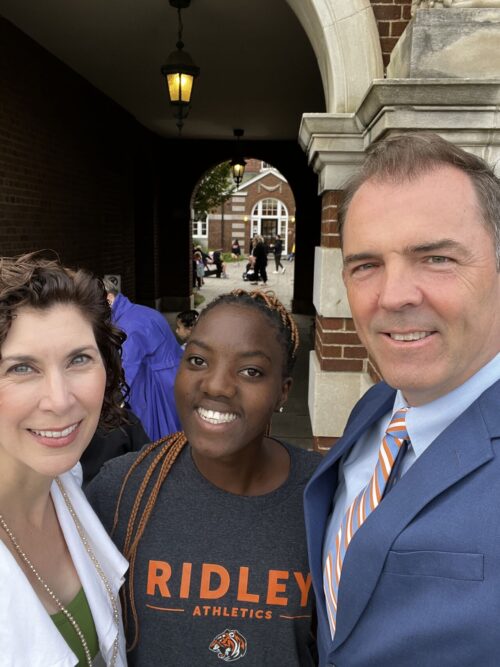
Left to right, Hanna Kidd, Nantume, and J. Edward Kidd at Ridley College (St. Catharines, Ontario)
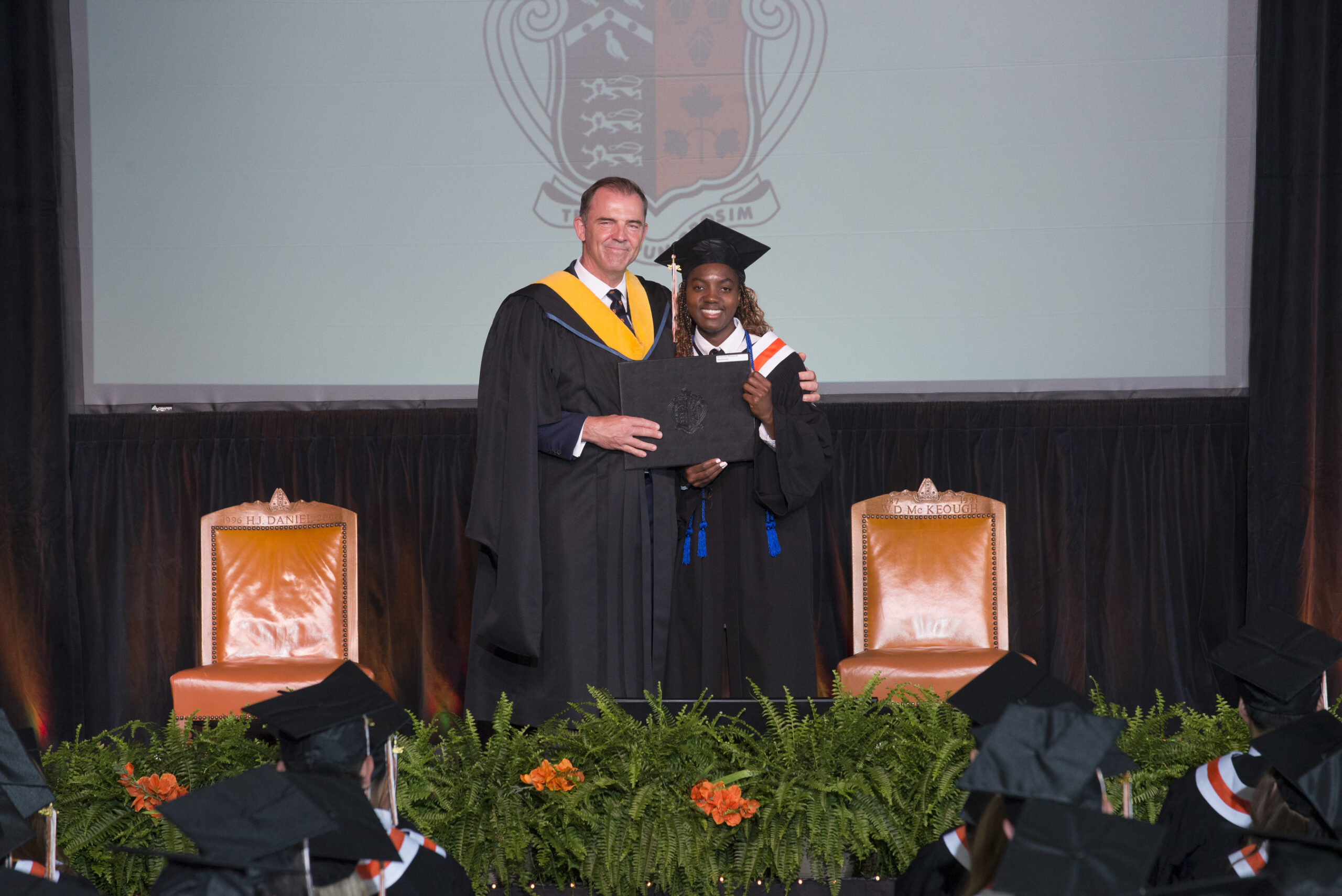
Headmaster, Mr. Kidd awarding Nantume her high school diploma at Ridley College
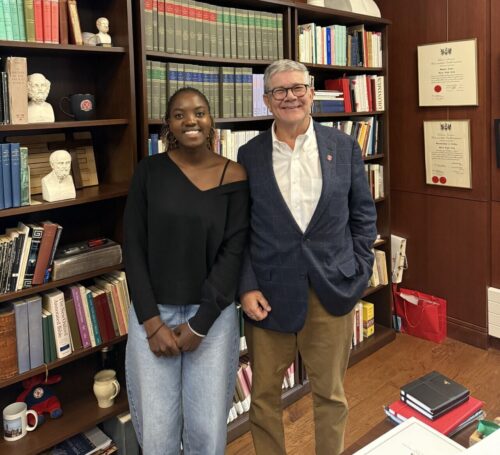
Nantume and Huron University’s President & Vice Chancellor Dr. Barry Craig
With generous support from The Galen and Hilary Weston Foundation, Nantume was able to continue to follow her purpose in Canada as one of Huron’s first “Weston International Scholars,” where she continues to build on the work that began in her village, and to grow as the leader she has been becoming for years.
Her Message: Gratitude, Action, and Purpose
Nantume believes opportunities are never isolated. They create ripples: one mentor’s encouragement can spark a project, one project can strengthen a community, and one story shared aloud can reach someone who can open a door. To young students, her advice is grounded in lived experience.
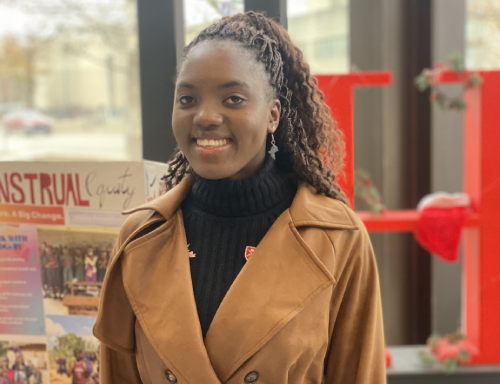
“Have passion, believe in yourselves; look at what you have, not what you don’t have,” she says, reflecting on the mindset it took to attend virtual school and lead meetings across time zones, and keep building her project in the hours in between. She powerfully emphasizes the strength that comes from gratitude and purposeful action.
“The power of action begins with gratitude. Pain does not have to equal suffering. You can use it as a guide to find passion through gratitude for what brought you to this moment, and to lead with true purpose.”


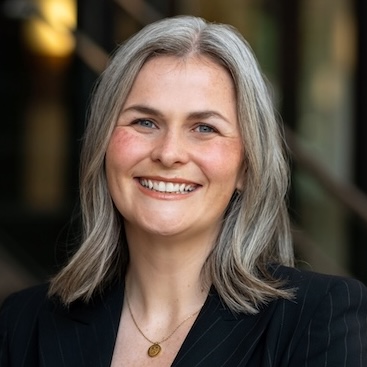
 Lisa Jones Keenan is the Vice President of Sales at Xplornet Communications, the largest rural fixed wireless broadband service provider in Canada.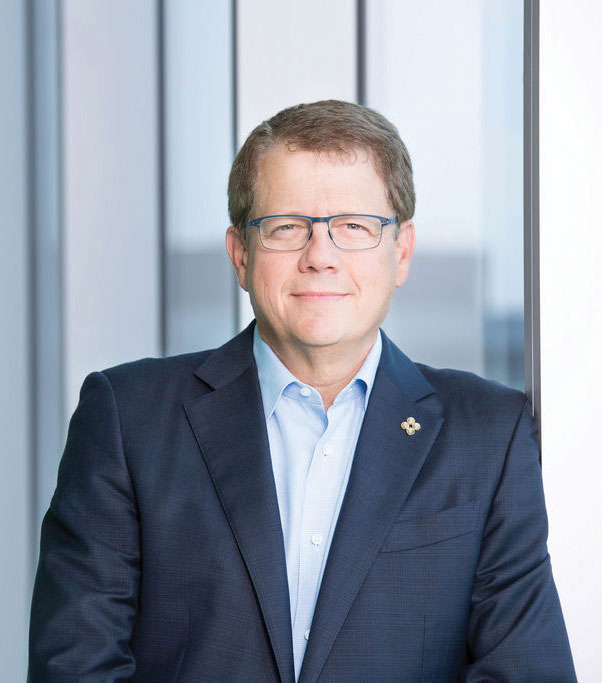
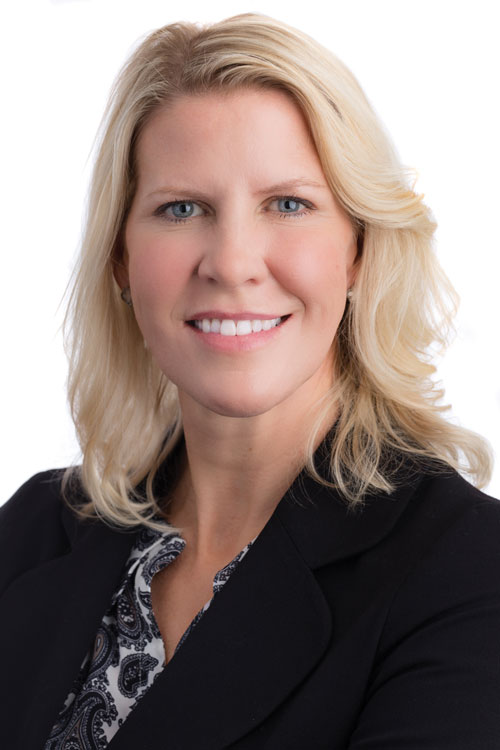 Leigh Allen is the AVP, Global Strategic Research, Reinsurance Group of America Inc., one of the world’s largest global life and reinsurance companies.
 Yola Ventresca is a Managing Partner, Lerners LLP, Secretary of Huron’s Board of Governors and a Huron Class of ’02 alumni. Selected as one of Canada’s “Best Lawyers,” she is passionate about the value of Liberal Arts in helping students succeed in their careers.
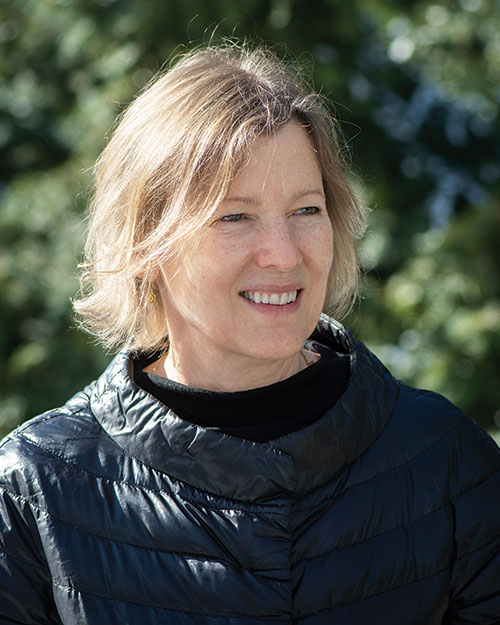 Susan Farrow is an Assistant Professor in The Temerty Faculty of Medicine at the University of Toronto and a Founding Partner and Co-Director of The Toronto Institute of Group Studies, an organization offering certified training and education in group leadership.
  Frank Holmes is CEO and Chief Investment Officer of U.S. Global Investors, as well as a business commentator, philanthropist and Huron Class of ‘78 alumnus. Holmes also serves as the Executive Chairman of HIVE Blockchain Technologies, the first cryptocurrency mining company to go public in 2017.
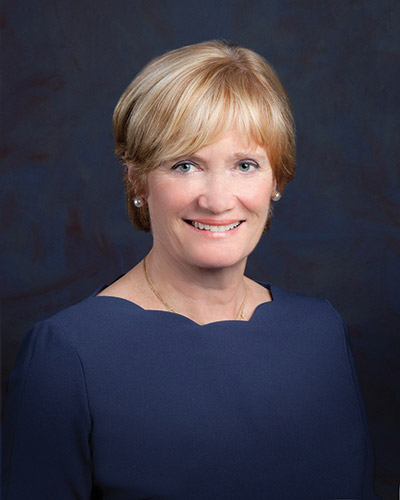 Kelly Meighen is an experienced philanthropist and volunteer. In her role as president of the T.R. Meighen Family Foundation, she has created a legacy of volunteerism and philanthropic giving in the areas of youth mental health advocacy, environmental conservation and cultural vibrancy.
 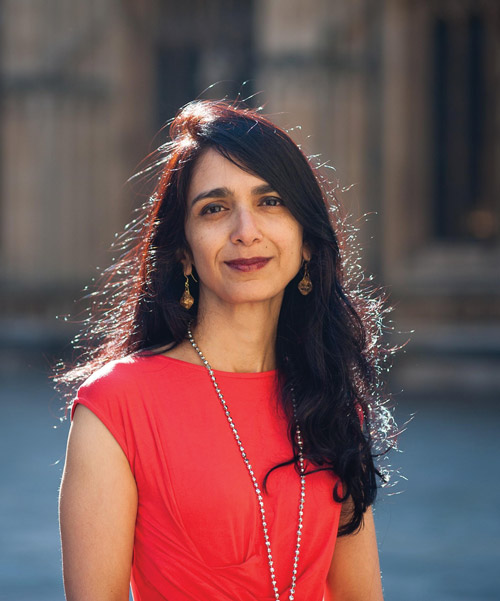 Ranjita is Executive Chair of the Oxford Global Partnership, advising investors, businesses, family offices and entrepreneurs on sustainable, inclusive and responsible value creation. A Business Fellow at Oxford University’s Smith School, Ranjita engages with companies on pursuing value with values, and teaches a postgraduate “Essentials of ESG & DEI” course.
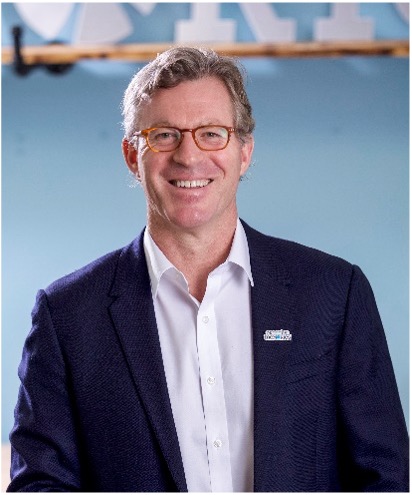 Caleb Hayhoe is the Founder & Chairman of Flowerdale Group and a Huron Class of ’85 Alumnus. Flowerdale Group is a Hong Kong based family office with a global investment outlook across public markets, real estate and private investment. Hayhoe previously spent over ten years building a global sourcing business together with an exceptional team, and remains committed to entrepreneurialism and helping great ideas become sustainable companies.