
London, ON – What does strong leadership look like in a world shaped by rapid change, new technology, and growing uncertainty?
This question sat at the heart of the third installment of the President’s SPARK Speaker Series, where students, staff, faculty, and community members gathered for the event titled In Conversation: Anique Asher & Gillian Riley on Leadership and the Future of Banking.
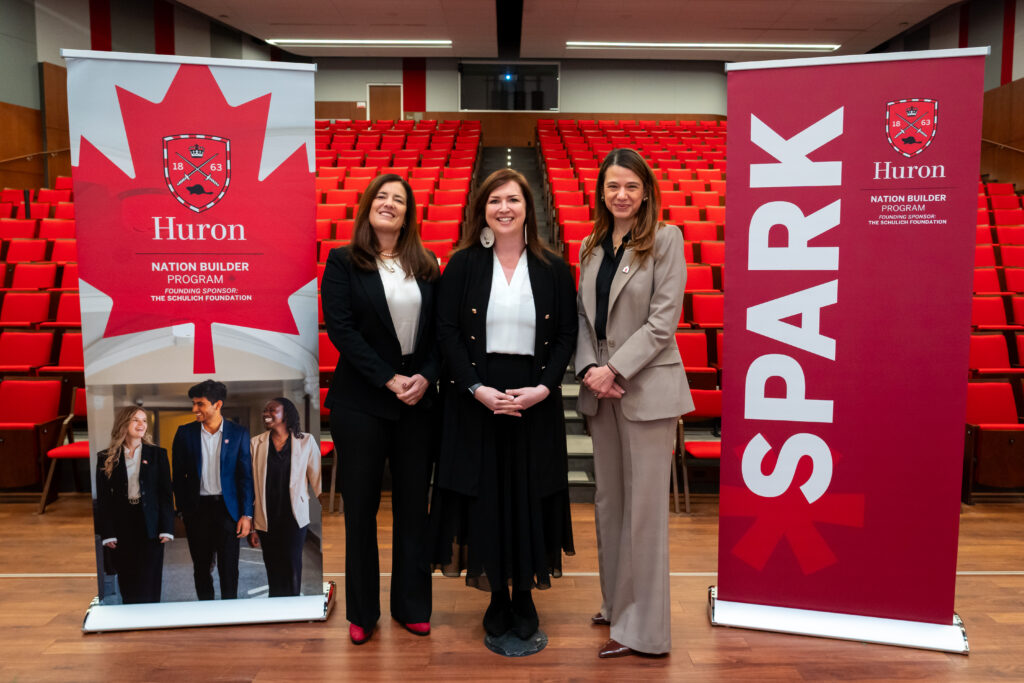
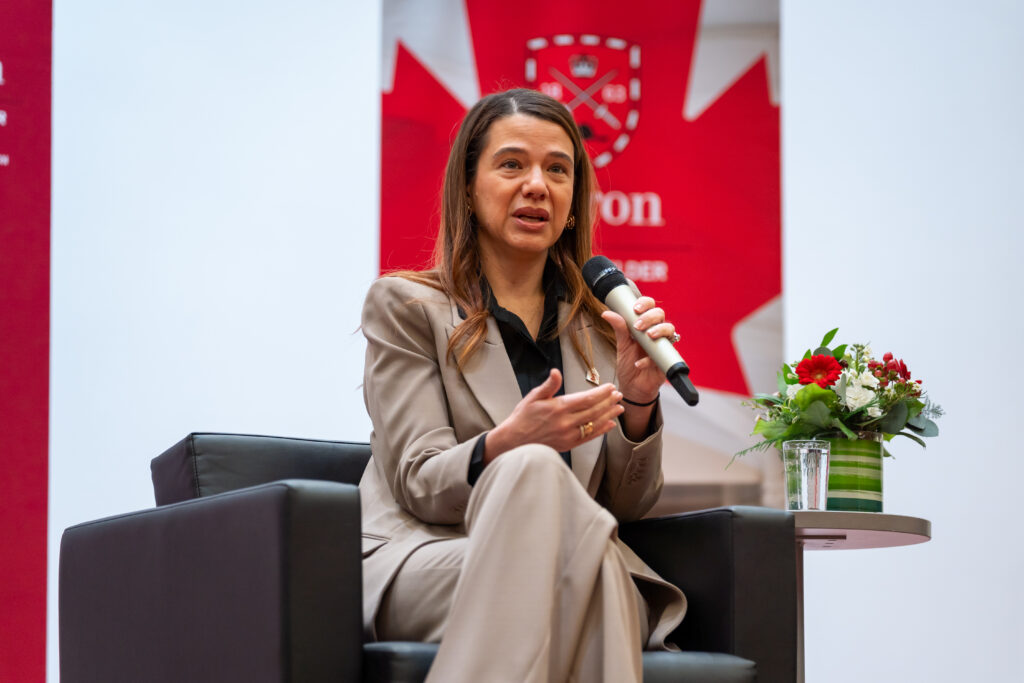
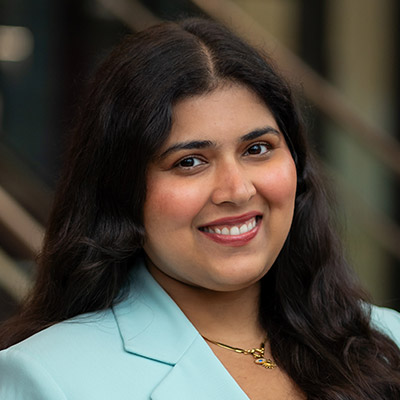
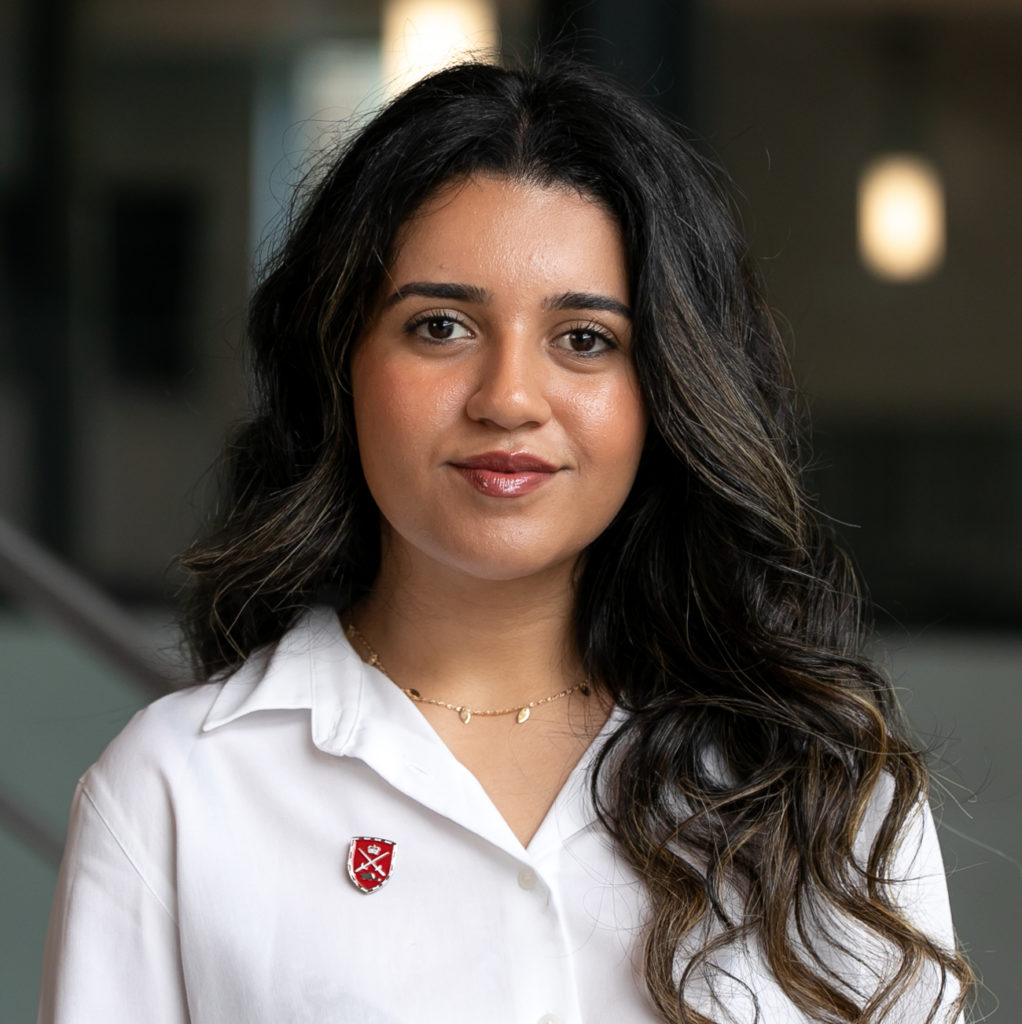
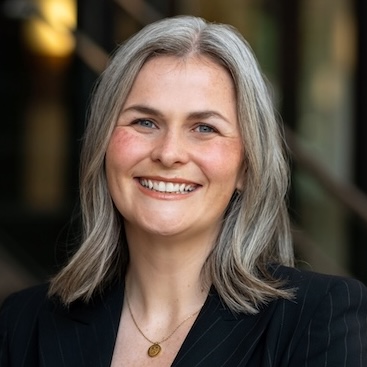
The event featured Gillian Riley, former President and CEO of Tangerine Bank, and Anique Asher, Executive Vice President of Real Estate Secured Lending at Scotiabank. Moderated by Kate Graham, PhD, an award-winning professor at Huron University, the discussion explored how leaders stay grounded in empathy and ethics while navigating innovation, artificial intelligence, and shifting expectations.
Growth Starts With Discomfort
One of the clearest messages throughout the conversation was simple but powerful: growth rarely feels comfortable.
“It’s the small moments throughout your career, and your life, that help you realize how resilient you are,” Asher shared, reflecting on the experiences that shaped her career.
The toughest and most uncomfortable moments, she explained, were often the most defining.
Now responsible for leading Scotiabank’s Canadian mortgage business, Asher emphasized that leadership is not about having all the answers. Instead, it is about trusting others and being willing to ask questions. One of her most important leadership lessons came from learning to step back rather than stepping in. Early in her career, a member of her team offered candid feedback: “You have to stop saving me and start trusting me.”
That moment reshaped her leadership approach. Rather than solving every problem herself, Asher learned the value of creating space for others to contribute ideas, take ownership, and build confidence.
“It’s about creating an environment where people feel that they can bring their thoughts and ideas into the conversation, and feel comfortable enough to do that,” said Asher.
Riley shared a similar perspective, framing leadership as influence rather than authority. She emphasized that strong leaders inspire people to move toward a shared goal. According to Riley, that influence rests on three foundations: integrity, communication, and resilience. Integrity builds trust. Communication means listening just as much as speaking. Resilience is the courage to learn from failure and keep going.
AI Changes the Work, Not the Purpose
As artificial intelligence becomes more embedded in the workplace, questions about the future of jobs are becoming harder to ignore. The speakers addressed a concern many students have as they look toward graduation: How will AI change the work they are preparing to do?
The answer, the speakers suggested, is not simple. Some roles will evolve, and some may disappear. The change is more about how the work gets done.
AI is being adopted to automate routine work and surface insights, while decisions that require judgment, ethics, and accountability need to remain in human hands. In banking, work once focused on manual processes and data entry is already moving toward higher-level judgment, analysis, and decision-making. AI tools can improve efficiency and productivity, but they do not remove the need for human oversight.
That distinction is especially important in financial services, where leaders must be accountable for every decision, particularly when personal and financial data are involved. Technology can support analysis, but it cannot replace responsibility. Throughout the discussion, the speakers emphasized that responsible AI use depends on clear principles. Transparency, strong governance, ethical oversight, and respect for privacy are not optional. In banking, getting this wrong comes at a real cost.
Looking ahead, the speakers emphasized that success will belong to those who can work effectively with AI while bringing empathy, critical thinking, and sound judgment to their roles. For students, this means: the jobs landscape will continue to shift, but human insight remains essential.
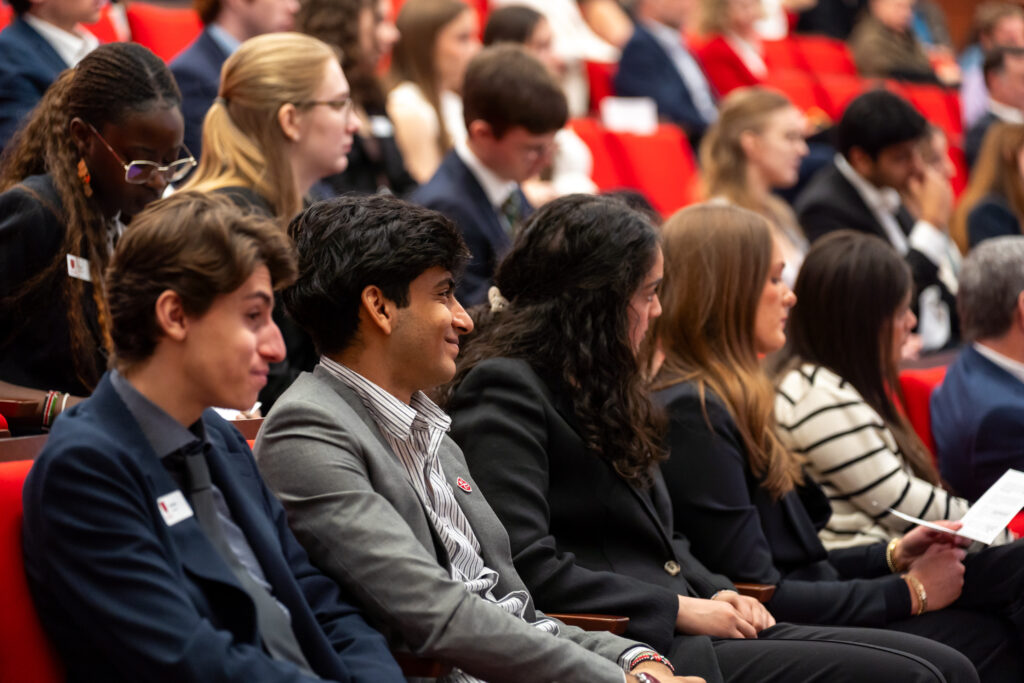
Leading with Heart in an AI-Enabled World
The speakers emphasized that as artificial intelligence becomes more integrated into everyday work, leadership responsibility does not decrease. It grows. For students preparing to enter the workforce, the key takeaway was not simply learning how to use new tools, but understanding how decisions are made and who is accountable for them.
Riley shared an example from Standard Chartered, a global bank that uses AI to help identify capital funding for women entrepreneurs who are often overlooked by traditional funding models. By accurately disaggregating its portfolio by gender, the Bank uses these insights to design and deliver specialized and inclusive services tailored for women entrepreneurs. The example illustrates how technology, when guided by clear values, can support more inclusive decision-making. The lesson for future leaders was not about the sophistication of the tool, but about the intent behind its use and the responsibility leaders hold for its outcomes.
Asher added that sustainability and environmental, social, and governance (ESG) considerations are embedded in everyday leadership decisions within banking. For students, this signals a shift in what leadership demands; that success increasingly depends on the ability to balance performance with impact, built on empathy, ethical judgment, and thoughtful decision-making.
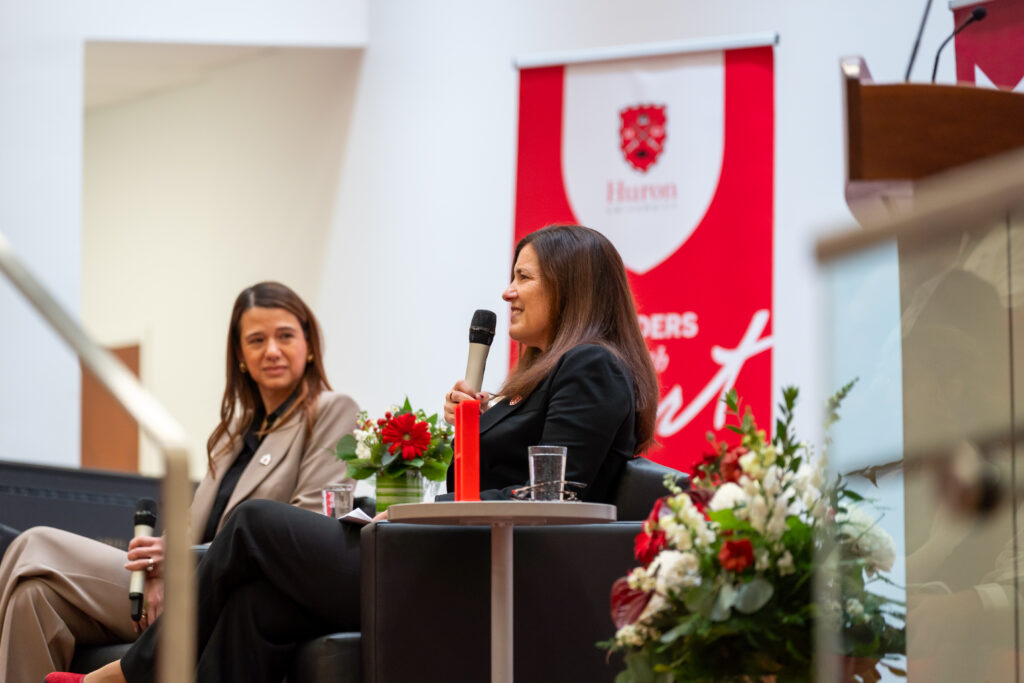
Advice That Stays With You
As the event closed, the speakers offered guidance that extended beyond banking.
Riley left students with a reminder that underscored the importance of building relationships.
“Your network is your net worth,” she said.
Mentors and sponsors play an important role in guiding and supporting career growth, but peers matter just as much. Riley pointed to programs like Huron’s Nation Builder cohort as the starting point of a professional network that grows over time. Students move on to different roles, industries, and organizations, yet remain connected, sharing insights, opportunities, and perspectives along the way.
Those early peer relationships, she suggested, often become one of the most valuable professional assets students carry forward, supporting careers not just in the moment, but across decades.
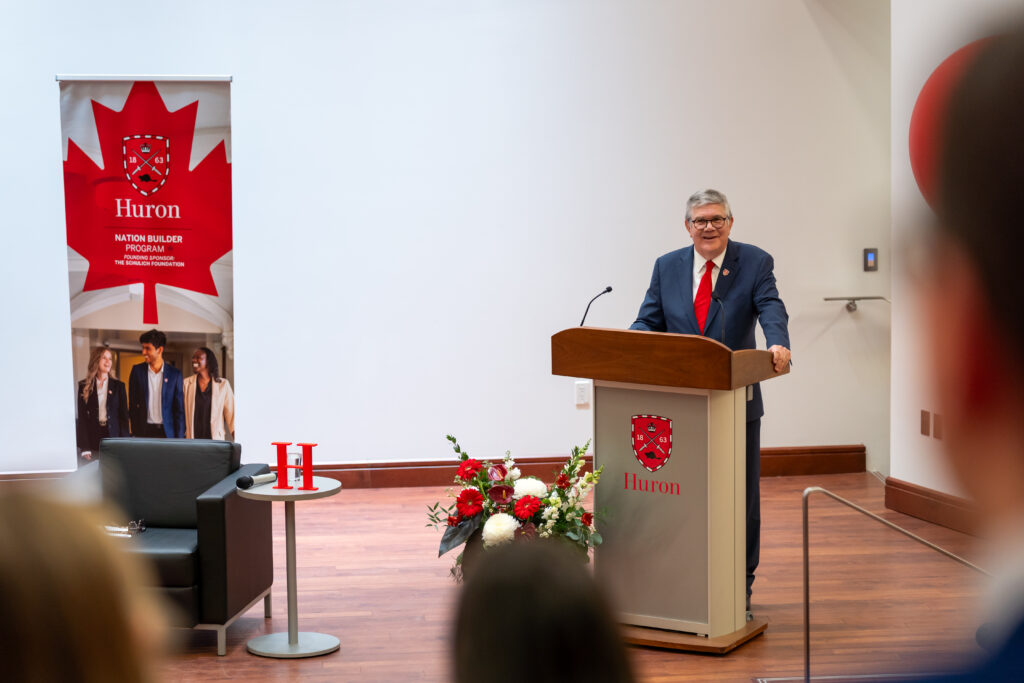

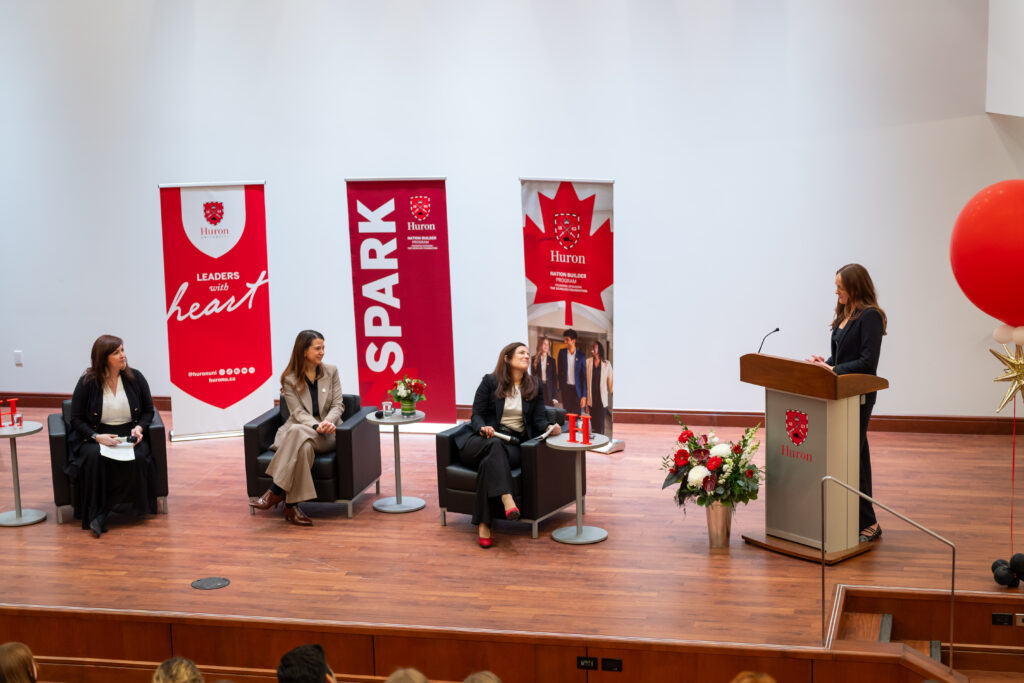

Leadership that Lasts
The third SPARK Speaker Series reinforces that leadership, even in an age of rapid technological change, is built on human connection. While tools and industries will evolve, the ability to build trust, learn alongside others, and grow through shared experience will remain central to meaningful careers.
The President’s SPARK Speaker Series is part of Huron’s Nation Builder Program, which connects students with leaders who model intellect, integrity, and impact, while challenging the Huron community to think critically about how we build a stronger Canada. The series is made possible through the generous support of The Schulich Foundation, founding sponsor of the Nation Builder Program.
Huron students interested in eligibility and completion requirements can visit the Nation Builder Program webpage.
The conversation does not end here. Watch Huron’s social media channels for SPARK events this fall.


 Lisa Jones Keenan is the Vice President of Sales at Xplornet Communications, the largest rural fixed wireless broadband service provider in Canada.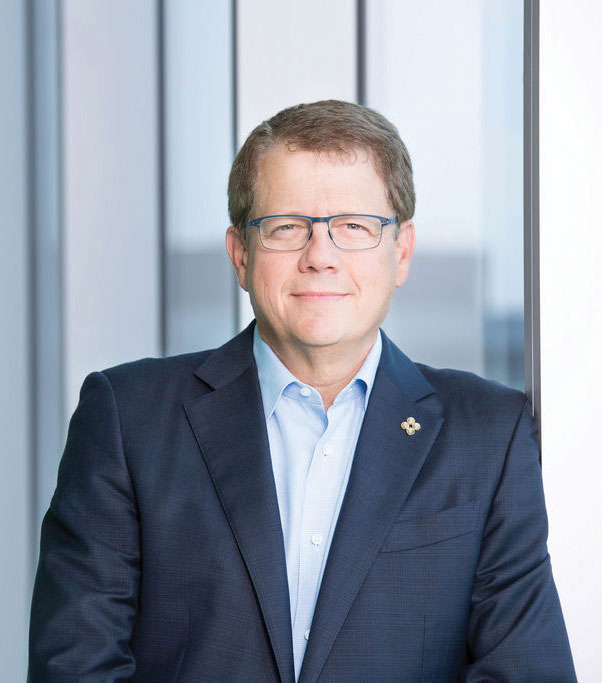
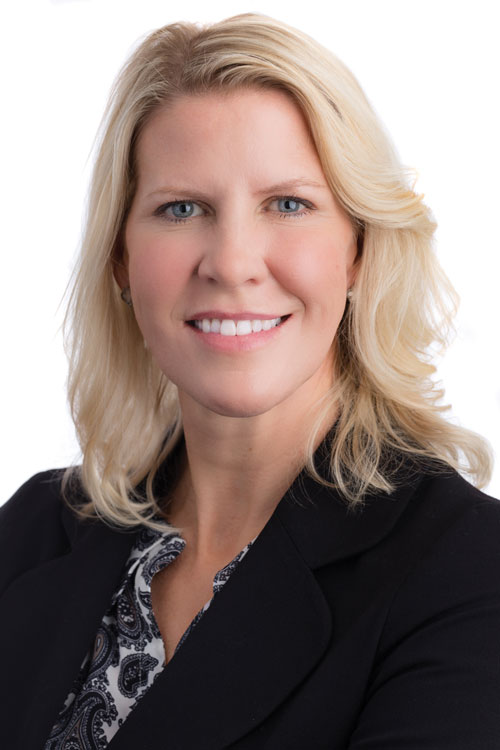 Leigh Allen is the AVP, Global Strategic Research, Reinsurance Group of America Inc., one of the world’s largest global life and reinsurance companies.
 Yola Ventresca is a Managing Partner, Lerners LLP, Secretary of Huron’s Board of Governors and a Huron Class of ’02 alumni. Selected as one of Canada’s “Best Lawyers,” she is passionate about the value of Liberal Arts in helping students succeed in their careers.
 Susan Farrow is an Assistant Professor in The Temerty Faculty of Medicine at the University of Toronto and a Founding Partner and Co-Director of The Toronto Institute of Group Studies, an organization offering certified training and education in group leadership.
  Frank Holmes is CEO and Chief Investment Officer of U.S. Global Investors, as well as a business commentator, philanthropist and Huron Class of ‘78 alumnus. Holmes also serves as the Executive Chairman of HIVE Blockchain Technologies, the first cryptocurrency mining company to go public in 2017.
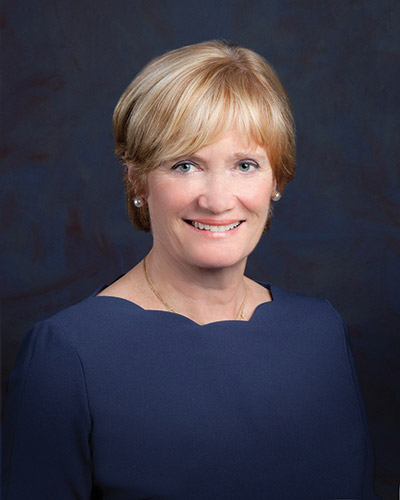 Kelly Meighen is an experienced philanthropist and volunteer. In her role as president of the T.R. Meighen Family Foundation, she has created a legacy of volunteerism and philanthropic giving in the areas of youth mental health advocacy, environmental conservation and cultural vibrancy.
 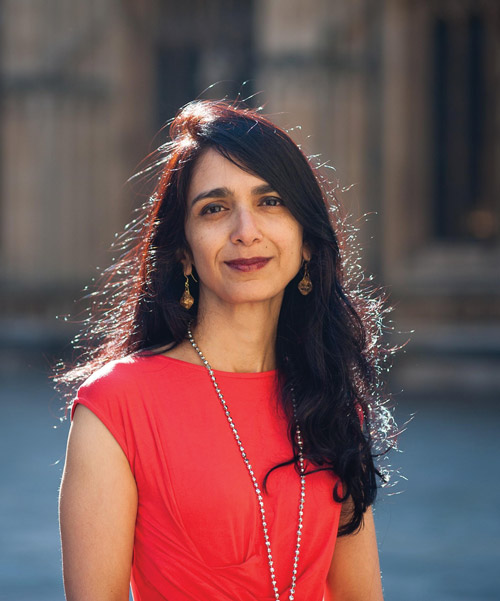 Ranjita is Executive Chair of the Oxford Global Partnership, advising investors, businesses, family offices and entrepreneurs on sustainable, inclusive and responsible value creation. A Business Fellow at Oxford University’s Smith School, Ranjita engages with companies on pursuing value with values, and teaches a postgraduate “Essentials of ESG & DEI” course.
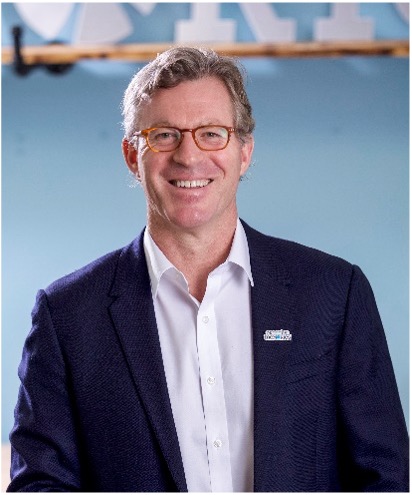 Caleb Hayhoe is the Founder & Chairman of Flowerdale Group and a Huron Class of ’85 Alumnus. Flowerdale Group is a Hong Kong based family office with a global investment outlook across public markets, real estate and private investment. Hayhoe previously spent over ten years building a global sourcing business together with an exceptional team, and remains committed to entrepreneurialism and helping great ideas become sustainable companies.