
London, ON – At Huron University, students have the chance to find new depths beyond the classroom. This creates unexpected connections, including one between Huron’s Governance, Leadership and Ethics (GLE) program and a Game of Thrones filming site.
WHAT IT MEANS TO RECEIVE A WORLD-CLASS EDUCATION
A liberal arts education can help students grow personally and professionally. Huron’s intentionally small class sizes nurture curiosities through open, interdisciplinary discussion. Students need instruction that values practical application in order to engage with material on a deeper level.
When it comes to GLE course 4011 on Collaborative Governance, professors Dr. Kate Graham, Dr. Neil Bradford and lecturer Jesse Helmer guided their students through such experiential learning in the Basque Country (Spain) this past February. This course offers an up-close opportunity to observe how new governance models can lead to transformative results, and the students’ exposure to this in Basque sparked illuminating discussions back in Canada.
PROFESSORS ON THE GLOBAL STAGE
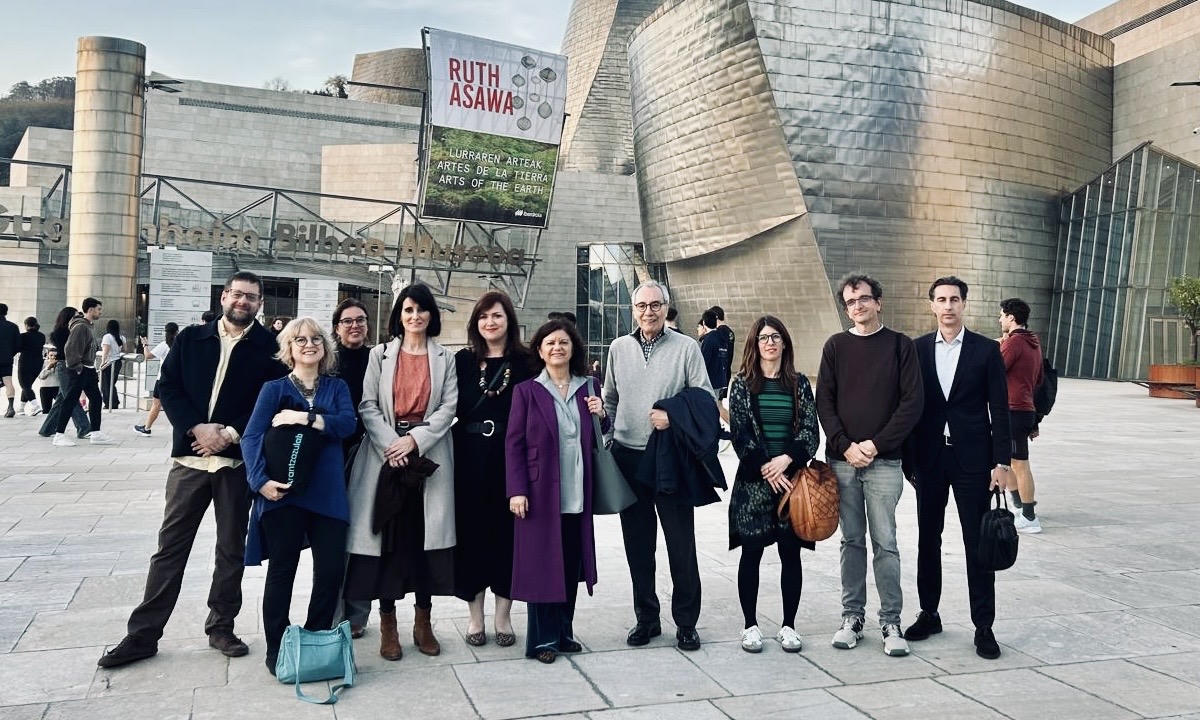
The Basque Country, a self-governing region in Spain, has taken clear steps to strengthen its democracy. Their governance centres engaging citizens more meaningfully, and working collaboratively to address policy issues. A key part of this work is Arantzazulab, a democracy innovation lab purposed to help the Basque Country redesign governance and respond to policy challenges in real time.
Last year, the government of the Basque Country set out to develop a new framework, which they drafted. This effort emerged in response to some of the most pressing challenges facing democracies around the world. Such challenges include declines in trust and engagement and the rise of authoritarianism and polarization. The government invited ten international experts on collaborative governance to respond to their draft, including two Huron professors.
Working through Arantzazulab, Dr. Bradford and Dr. Graham submitted their response in January. Dr. Graham then travelled to Bilbao, Spain in March to meet with government leaders. This visit unfolded into an invitation for continued engagement amongst the experts and other international partners.
As students learn, their instructors learn alongside them. This ensures that their education stays relevant to local and global changes. Indeed, the students that benefit from such instruction become Leaders with Heart, poised to think and act outside of the box.
SHAPING global governance through community
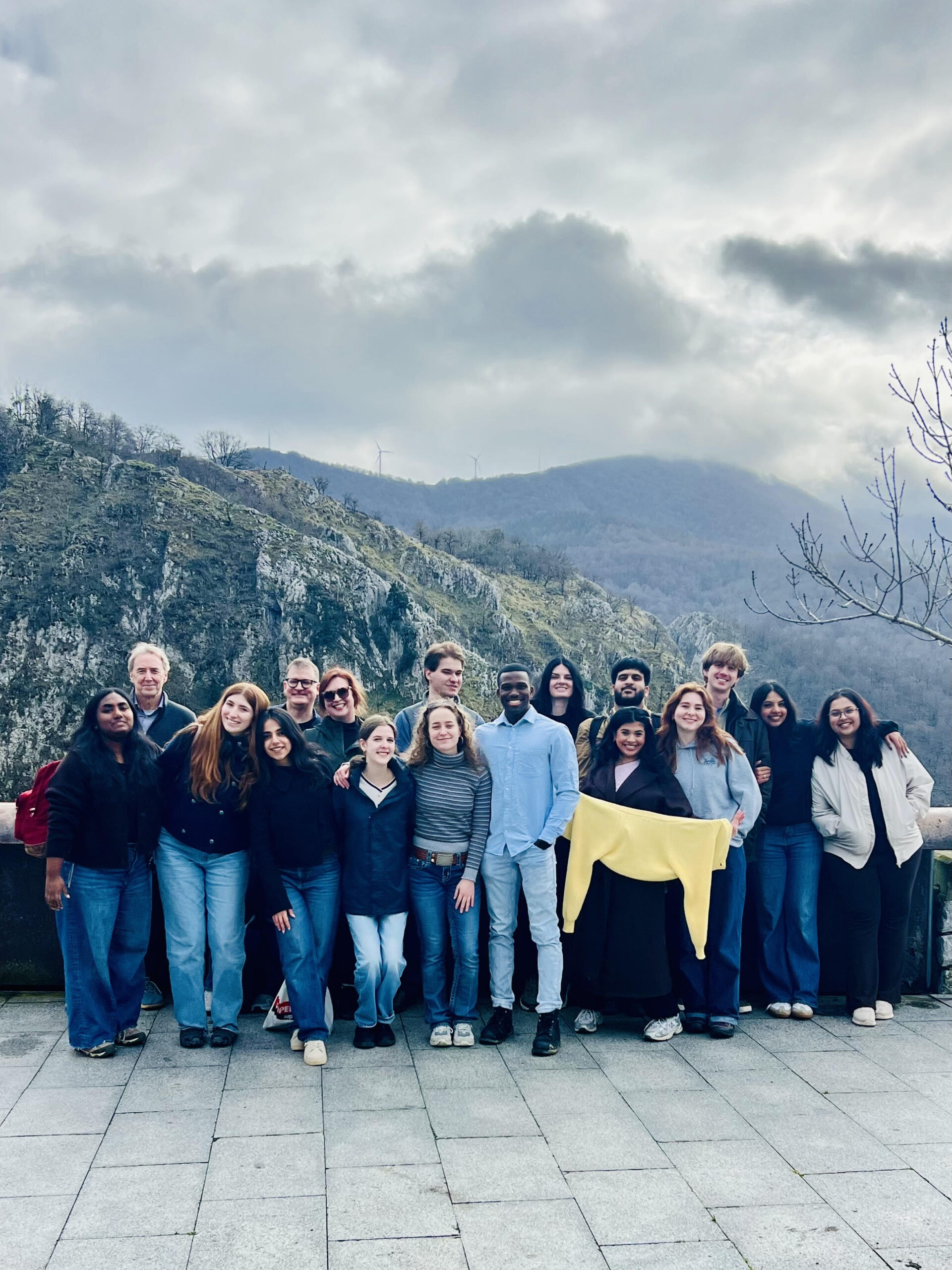
While in the Basque Country, Huron students explored how different sectors work together to solve social and economic challenges. Alongside students and faculty from across three Basque universities (University of the Basque Country, Mondragon University, and University of Deusto), they engaged in small-group discussions with business and government leaders on the relationship between AI and democracy. These discussions shaped and defined the International Student Challenge Week.
These students ended up building projects that show how to balance the benefits and risks of AI. They also strengthened their ability to work collaboratively across languages and cultures.
A STEPPING-STONE TO THE FUTURE
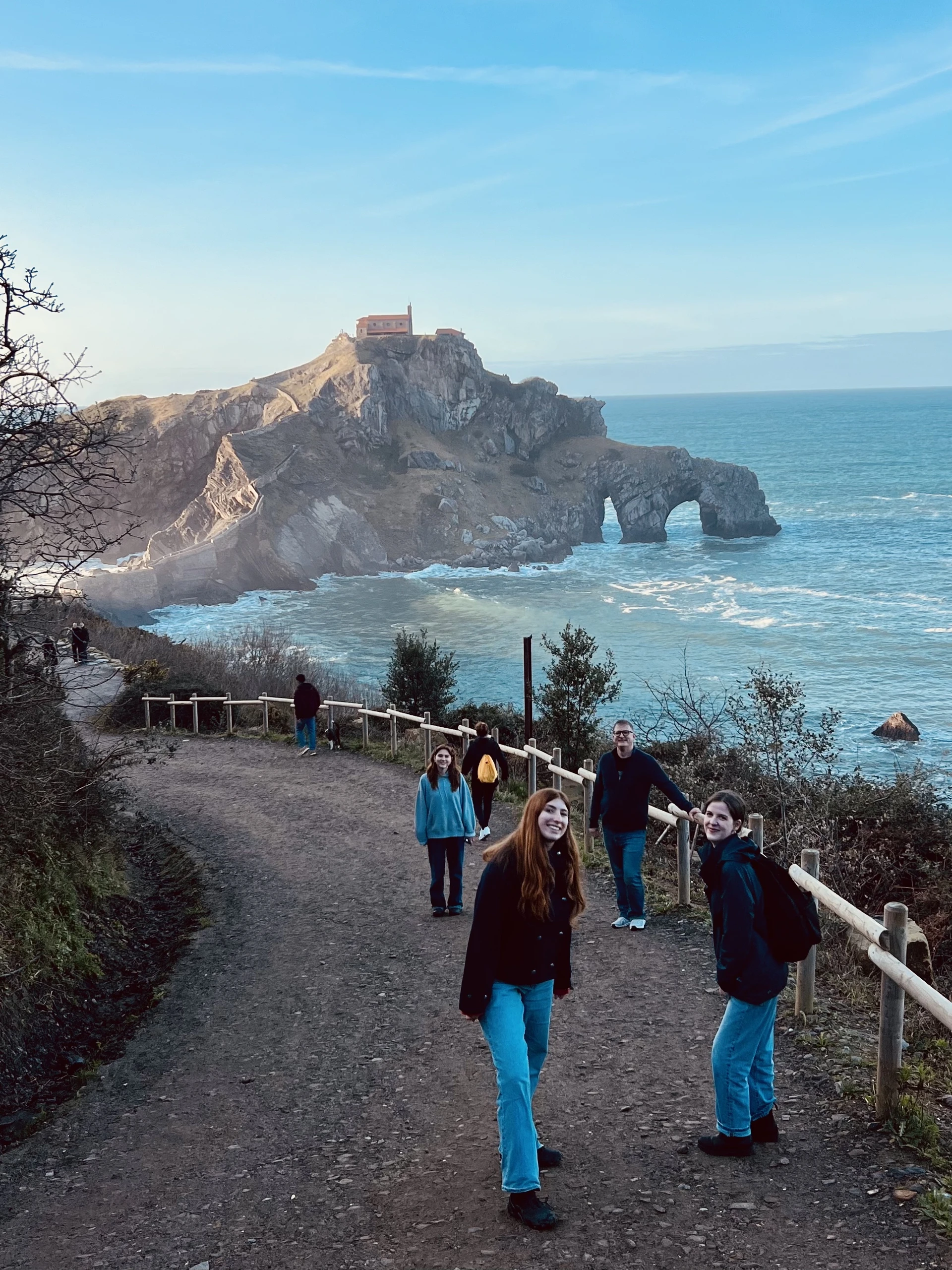
International experiences are enormously powerful learning opportunities for both students and faculty. Students learn through exposure to new places and cultures, developing effective collaboration skills. Between visiting the mountains of Arantzazu and Gaztelugatxe (also known as Dragonstone from Game of Thrones), Huron students unpacked and applied complex ideas in meaningful ways.
The trip to the Basque Country includes a visit to the headquarters of Mondragon. As the world’s largest industrial cooperative, it was formed to provide employment opportunities to surrounding locals. The co-op model shares profits more broadly, helping create stability for workers and communities.
Upon returning home, two students, Ryan Martell and Irtaza Ahmad, explored whether this model could work in Canada. For their final project, they convened a roundtable at Huron with business leaders Justine Janssen (ED, Employee Ownership Canada), Steve Bolton (former CEO, Libro Credit Union) and Jeff Pastorius (’08) (now at Ivey; former founder of several successful co-ops in London). Ryan and Irtaza shared what they learned at the Centre for Undergraduate Research Learning (CURL) Conference in April. Currently, they are working on an op-ed with Justine to engage a broader Canadian audience.
Dr. Graham grants that these experiences give students knowledge, curiosity, and confidence that they can make a difference. This allows “room for unconventional and original thought[,]” as student Ovi Kulkarni noted. The impact of this experience, however, fortifies more than the students’ academic journey.
Ryan Martell, an international student from Jamaica, observes: “This experience reinforced that Huron is not just [engaging] students to study in Canada, but to think and work in a global context.”
SHAPING THE NEXT GENERATION OF LEADERS
What Huron students experienced in the Basque Country was not a detour from their education; it was its fullest expression. Working on policy questions in a diverse, collaborative setting gave students a new understanding of governance. Students learned that leadership is not about having all the answers, but about working together to ask better questions.
This is where a liberal arts education shows its strength. Its interdisciplinary approach helps students solve complex problems, work with different perspectives, and think globally. At Huron, those lessons are not confined to textbooks. They come to life in policy labs, in government halls, and in conversations that continue long after students return home.
Such journeys are the result of the collaborative community here at Huron, especially those who help create and increase access to these life-changing opportunities. We are deeply grateful to Huron alumnus Tim Duncanson (’90) and the Duncanson Family for their generous support of the Governance, Leadership and Ethics program and global experiential learning opportunities.
When students like Ryan and Irtaza share what they’ve learned abroad, the value of hands-on learning becomes clear. At its best, education connects theory with practice, local issues with global ideas, and learning with leadership.
Education, at its best, links theory and practice; the local and the global; learning and leadership. This is the promise of the GLE program at Huron. This is an education which invites students to study the world as it is and to help imagine what it could become.


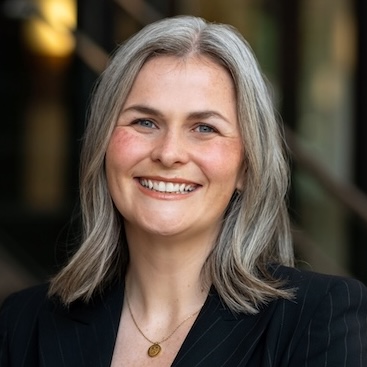
 Lisa Jones Keenan is the Vice President of Sales at Xplornet Communications, the largest rural fixed wireless broadband service provider in Canada.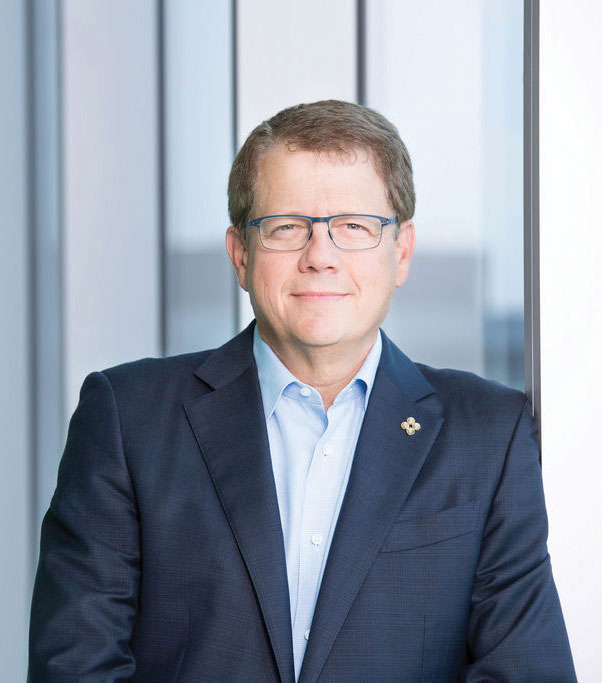
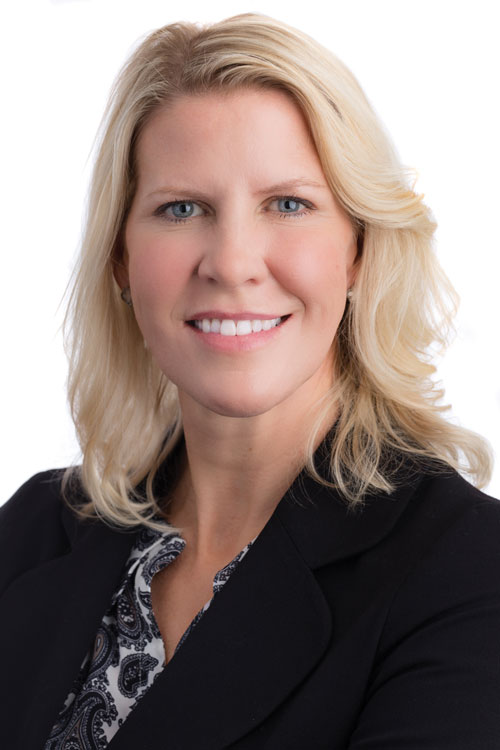 Leigh Allen is the AVP, Global Strategic Research, Reinsurance Group of America Inc., one of the world’s largest global life and reinsurance companies.
 Yola Ventresca is a Managing Partner, Lerners LLP, Secretary of Huron’s Board of Governors and a Huron Class of ’02 alumni. Selected as one of Canada’s “Best Lawyers,” she is passionate about the value of Liberal Arts in helping students succeed in their careers.
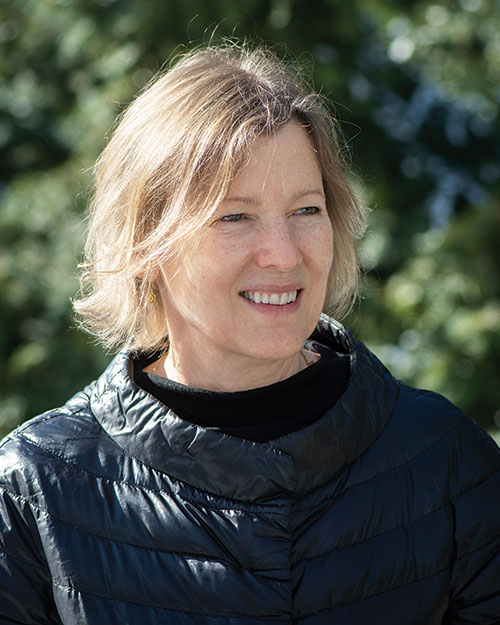 Susan Farrow is an Assistant Professor in The Temerty Faculty of Medicine at the University of Toronto and a Founding Partner and Co-Director of The Toronto Institute of Group Studies, an organization offering certified training and education in group leadership.
 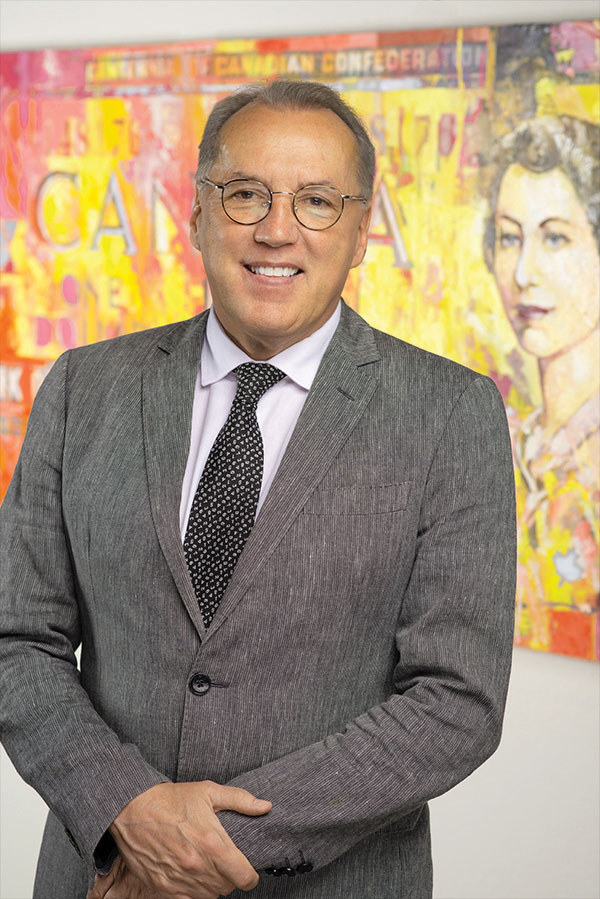 Frank Holmes is CEO and Chief Investment Officer of U.S. Global Investors, as well as a business commentator, philanthropist and Huron Class of ‘78 alumnus. Holmes also serves as the Executive Chairman of HIVE Blockchain Technologies, the first cryptocurrency mining company to go public in 2017.
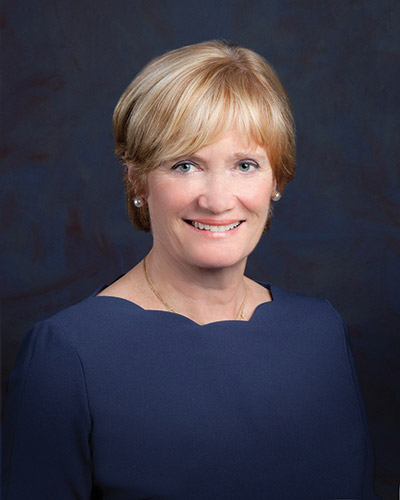 Kelly Meighen is an experienced philanthropist and volunteer. In her role as president of the T.R. Meighen Family Foundation, she has created a legacy of volunteerism and philanthropic giving in the areas of youth mental health advocacy, environmental conservation and cultural vibrancy.
 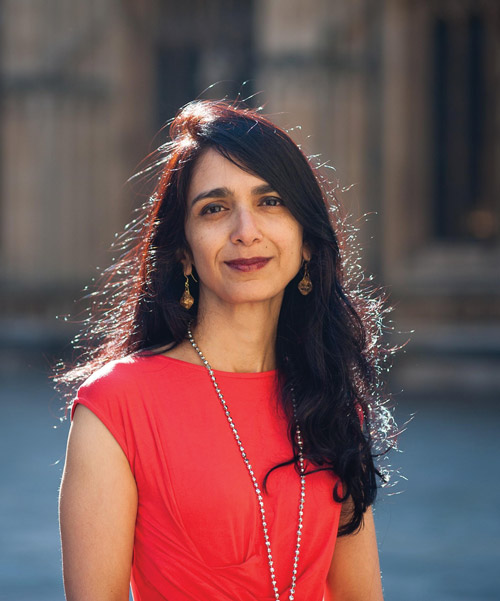 Ranjita is Executive Chair of the Oxford Global Partnership, advising investors, businesses, family offices and entrepreneurs on sustainable, inclusive and responsible value creation. A Business Fellow at Oxford University’s Smith School, Ranjita engages with companies on pursuing value with values, and teaches a postgraduate “Essentials of ESG & DEI” course.
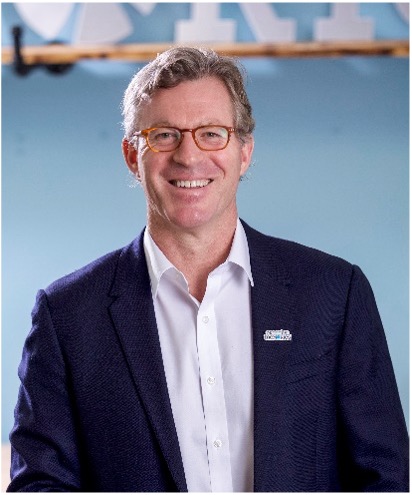 Caleb Hayhoe is the Founder & Chairman of Flowerdale Group and a Huron Class of ’85 Alumnus. Flowerdale Group is a Hong Kong based family office with a global investment outlook across public markets, real estate and private investment. Hayhoe previously spent over ten years building a global sourcing business together with an exceptional team, and remains committed to entrepreneurialism and helping great ideas become sustainable companies.