


Zakāt: Implementation & Impact in the Contemporary World International Conference
Zakāt is one of the five ‘Pillars of Islam,’ a religious duty, an opportunity for communal and spiritual purification, a means of alleviating poverty and injustice in society, and a potential force for social cohesion. In the past few decades, there has been a great deal of scholarship on the proper application of zakātable categories to the expansive range of assets and funds in modern society. More recently, many questions have been raised about the ways organizations, whether they are mosques, relief organizations or para-governmental entities, define, expand or eliminate the eight Qur’anic categories of zakāt recipients. Much of the research that has been published takes a jurisprudential approach to the topic, with insufficient attention being given to the practical implementation and impact of zakāt in our societies and communities.
For this conference therefore, we invite paper proposals from scholars/academics and practitioners on the following topics:
Qualitative and quantitative studies of the impact of zakāt in a defined region or community. Does the intention to pay zakāt affect or interrupt consumer spending?
Timing of zakāt payments: are many people pre-paying, or contributing to a zakāt account throughout the year, or only paying in Ramadan? Does this impact their zakātable savings?
Perceptions and realities of the relationship between zakāt and modern taxation.
Case studies on the spiritual, psychological impact and financial impact on the receivers of zakāt.
How do zakāt givers perceive zakāt receivers?
Positive and negative social and spiritual impact of various means of zakāt solicitation.
Relationship between zakāt compliance and other charitable giving (religious and civic). Measuring trust in zakāt collecting organizations.
How zakāt payments to those in debt, captivity and wayfarers are being implemented and their impact.
What kinds of people should be receiving zakāt and are not, or are not receiving enough?
Do most mosques and Islamic centers in North America have clear and transparent zakāt policies?
Demographic analysis of those who are setting zakāt policies.
What portion of zakāt in a region is being directed to the fī sabīlillah category and has the expansion of this category negatively affected the goal of povery alleviation?
Where and why is zakāt being directed into awqaf?
How could or is zakat being used to alleviate high costs of education, health care and housing?
Evidence supporting best practices for zakāt implementation and positive impacts.
Other studies addressing the implementation and impact of zakāt in contemporary societies.
We are aiming for a balance of papers focusing on the North American context and those focused on other countries and communities in the Ummah. Paper proposals are due by June 24. Those who have submitted a proposal will receive a response by August 15, 2024.
This conference will be held in person at Huron University College in London, Canada, and online. Those invited to present their papers and wish to be in person will be offered a US$500 travel stipend to mitigate their costs. The organizers cannot arrange for presenters to obtain visas to Canada. All presenters who submit a publishable paper at the conference will receive an honorarium of US$500.
This conference is being co-convened by Dr. Ingrid Mattson, London & Windsor Community Chair in Islamic Studies, Director of the Centre for Islamic Theology, Ethics & Spirituality (CITES) at Huron University College in London, Canada and Dr. Ermin Sinanović, Executive Director and Scholar in Residence at the Center for Islam in the Contemporary World (CICW) at Shenandoah University.


 Lisa Jones Keenan is the Vice President of Sales at Xplornet Communications, the largest rural fixed wireless broadband service provider in Canada.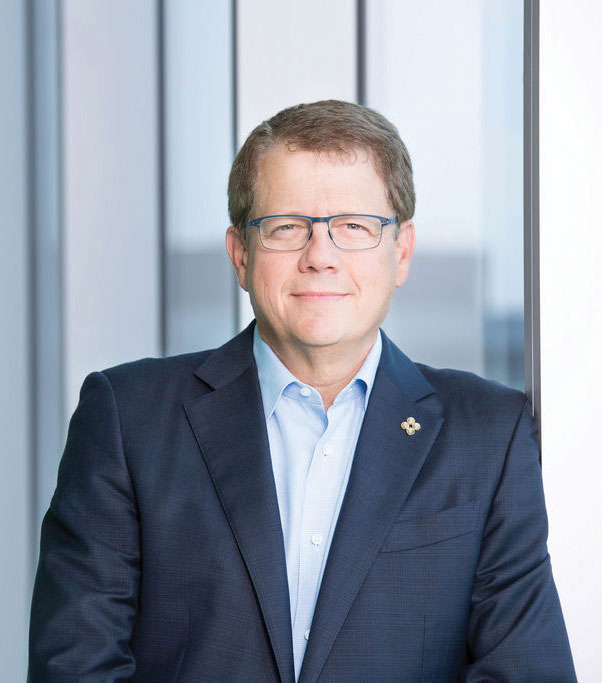
 Leigh Allen is the AVP, Global Strategic Research, Reinsurance Group of America Inc., one of the world’s largest global life and reinsurance companies.
 Yola Ventresca is a Managing Partner, Lerners LLP, Secretary of Huron’s Board of Governors and a Huron Class of ’02 alumni. Selected as one of Canada’s “Best Lawyers,” she is passionate about the value of Liberal Arts in helping students succeed in their careers.
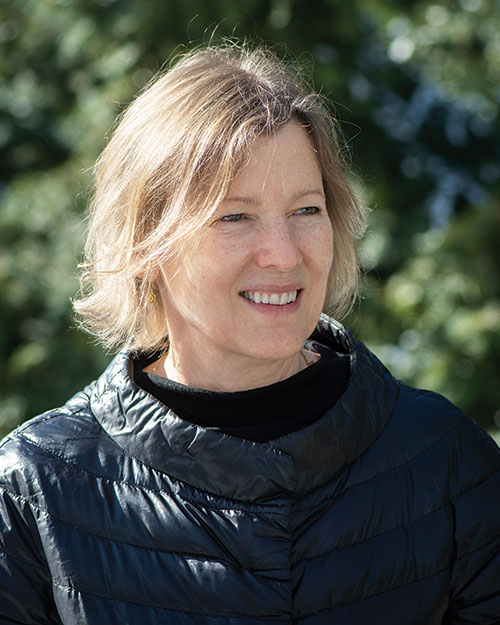 Susan Farrow is an Assistant Professor in The Temerty Faculty of Medicine at the University of Toronto and a Founding Partner and Co-Director of The Toronto Institute of Group Studies, an organization offering certified training and education in group leadership.
 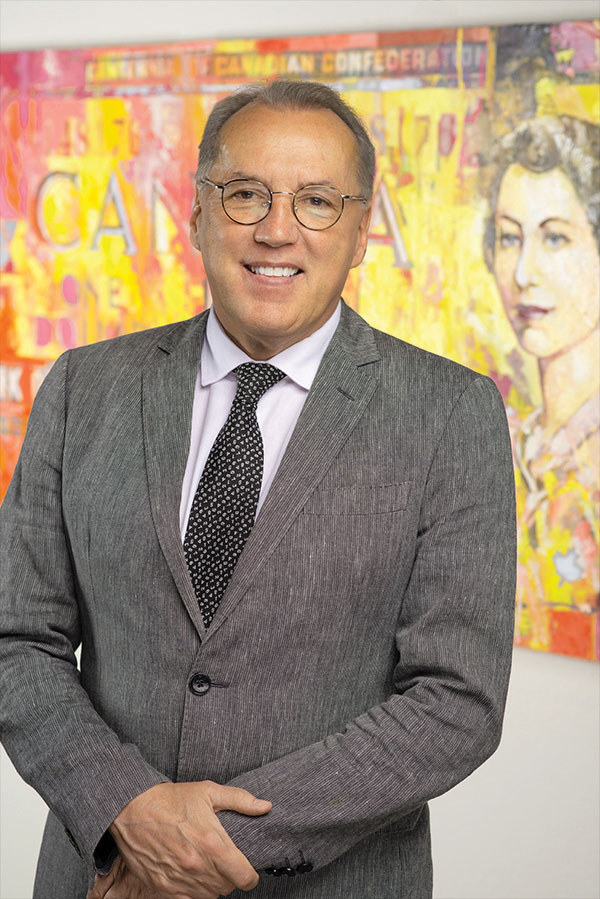 Frank Holmes is CEO and Chief Investment Officer of U.S. Global Investors, as well as a business commentator, philanthropist and Huron Class of ‘78 alumnus. Holmes also serves as the Executive Chairman of HIVE Blockchain Technologies, the first cryptocurrency mining company to go public in 2017.
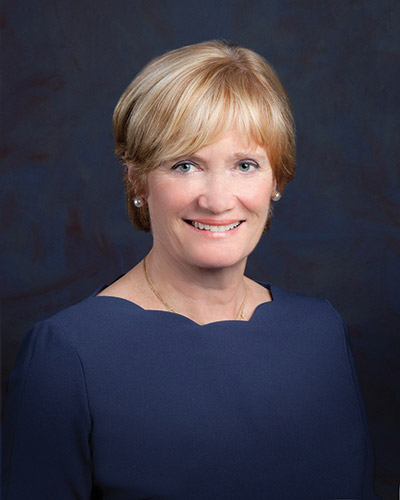 Kelly Meighen is an experienced philanthropist and volunteer. In her role as president of the T.R. Meighen Family Foundation, she has created a legacy of volunteerism and philanthropic giving in the areas of youth mental health advocacy, environmental conservation and cultural vibrancy.
 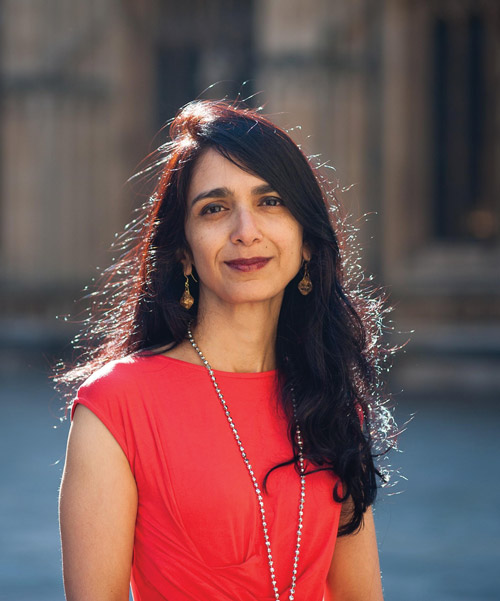 Ranjita is Executive Chair of the Oxford Global Partnership, advising investors, businesses, family offices and entrepreneurs on sustainable, inclusive and responsible value creation. A Business Fellow at Oxford University’s Smith School, Ranjita engages with companies on pursuing value with values, and teaches a postgraduate “Essentials of ESG & DEI” course.
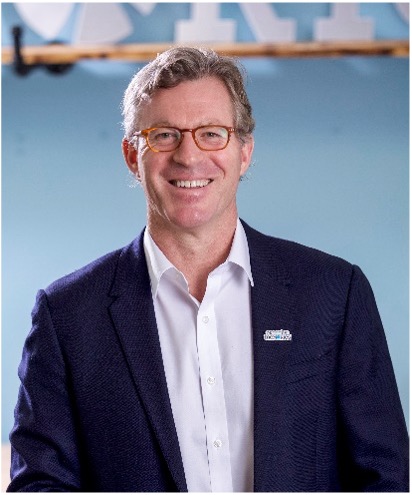 Caleb Hayhoe is the Founder & Chairman of Flowerdale Group and a Huron Class of ’85 Alumnus. Flowerdale Group is a Hong Kong based family office with a global investment outlook across public markets, real estate and private investment. Hayhoe previously spent over ten years building a global sourcing business together with an exceptional team, and remains committed to entrepreneurialism and helping great ideas become sustainable companies.