
Huron students experience reconciliation and rebuilding in post-genocide Rwanda
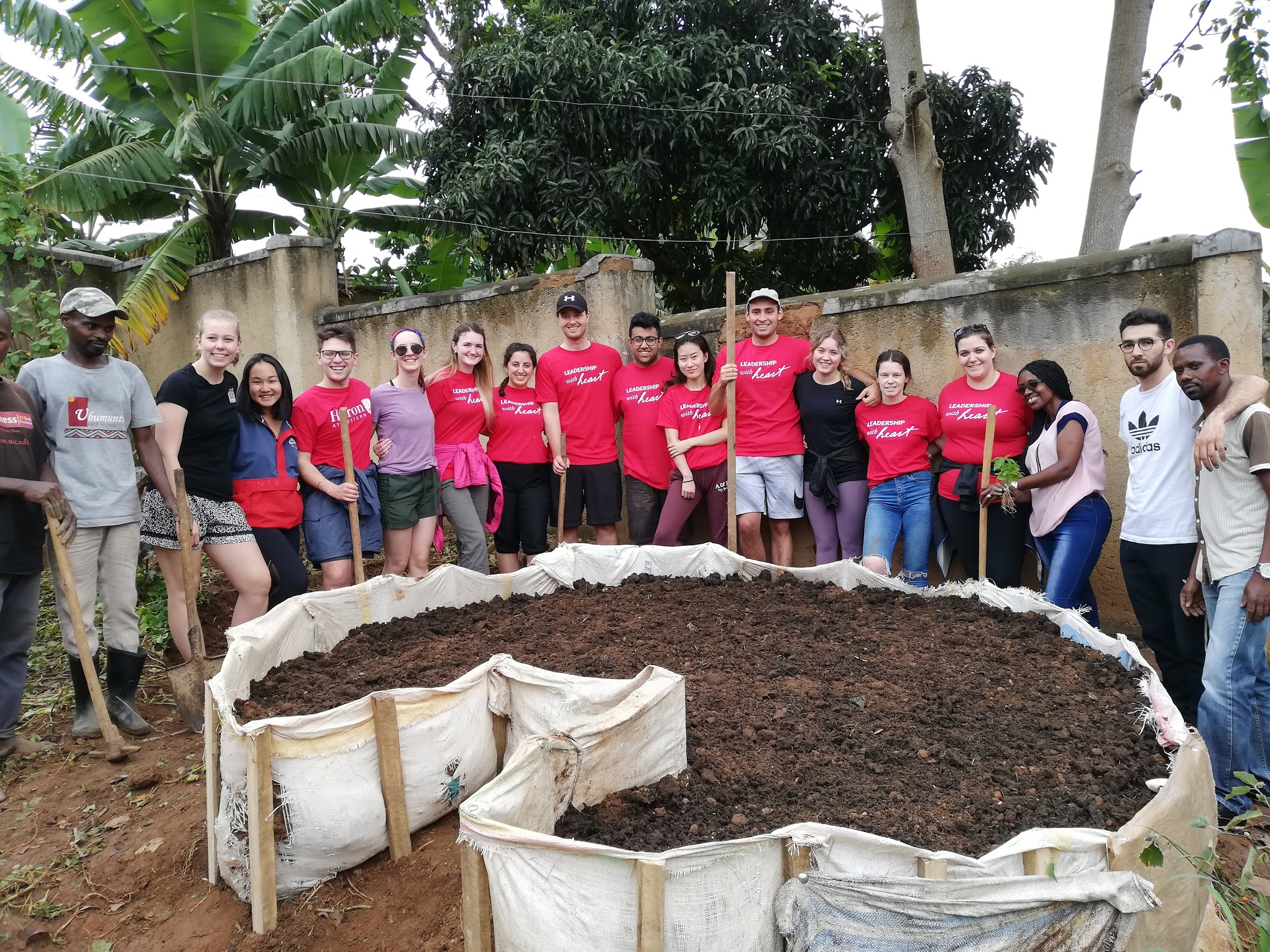
Since 2017, Huron has offered students a one-of-a-kind opportunity to study post-genocide recovery through immersive on-the-ground learning in Rwanda. POL3395: Rwanda’s Recovery: Experiential Learning in Peacebuilding and Reconciliation is an experiential learning course taught by Dr. Lindsay Scorgie, PhD (Associate Professor, Political Science), that includes a 10-day immersive trip to Rwanda.
A Once-in-a-Lifetime Learning Opportunity
Over the course of five trips taken over the last nine years, more than 100 students have participated in this unique opportunity. What sets this experience apart is its deeply immersive approach and a flexible, evolving structure that encourages students to put their classroom knowledge into practice. Based in Rwanda’s capital, Kigali, the trip engages students with a wide variety of stakeholders at the centre of Rwanda’s ongoing peace-building process. Through meetings, site visits, and discussions, students explore themes central to political science, including post-conflict reconstruction, memorialization, international intervention, and transitional justice. These experiences provide a foundation for students to reflect on the complexities of post-genocide reconstruction in a deeply divided society.
Since the 1994 genocide, Rwanda has undergone an extraordinary, and at times deeply contested, transformation and peacebuilding process. Scorgie’s course highlights the complexities and nuances involved in moving forward together. There is frequent debate amongst academics, the international community, and humanitarians over strategies and best practices for post-genocide recovery and peace building. This trip allows students to engage actively in this debate. They explore various facets of contemporary Rwanda and ultimately come to better understand the methods of recovery and the political, economic, and socio-cultural dynamics of peacebuilding firsthand.
Getting Hands-on with Rwandan Efforts to Rebuild
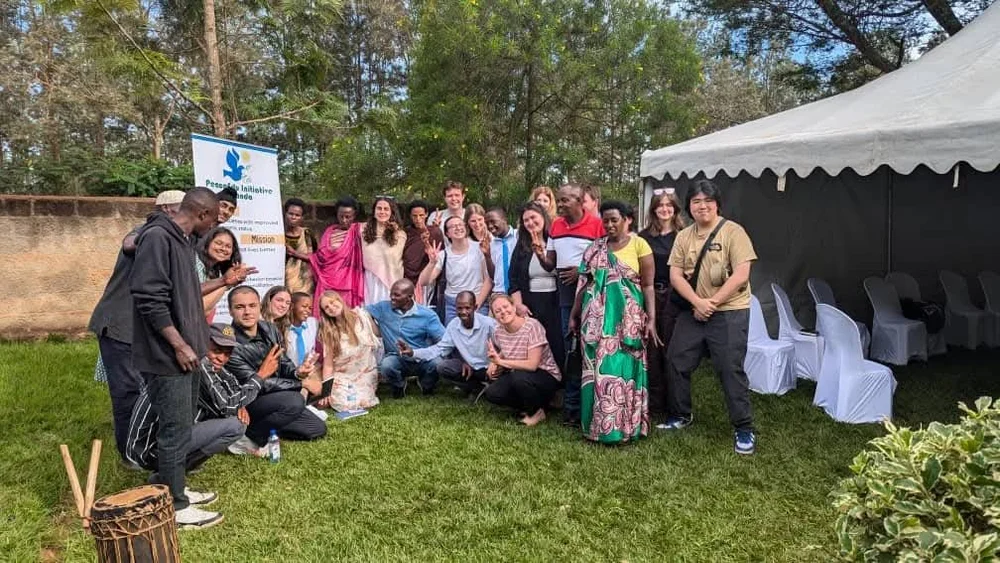
More than a trip, the course is an invitation to witness, reflect, and learn through human connection. Students meet genocide survivors, perpetrators, grassroots peacebuilders, local religious leaders, diplomats, politicians, and academics who work in different ways to promote healing, justice, and coexistence. A key moment of the trip is visiting peace villages where perpetrators and survivors live together in community, collaborating on daily tasks and economic ventures to rebuild trust and advance reconciliation. These interactions are deeply transformative, even if they can at times be uncomfortable and difficult. Dr. Scorgie explains that it is these moments of discomfort where students really begin to understand how political decisions reverberate through everyday life.
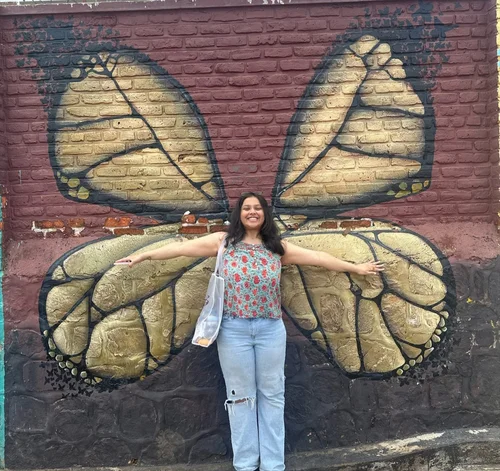
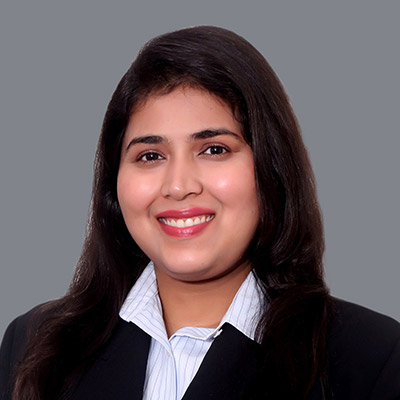
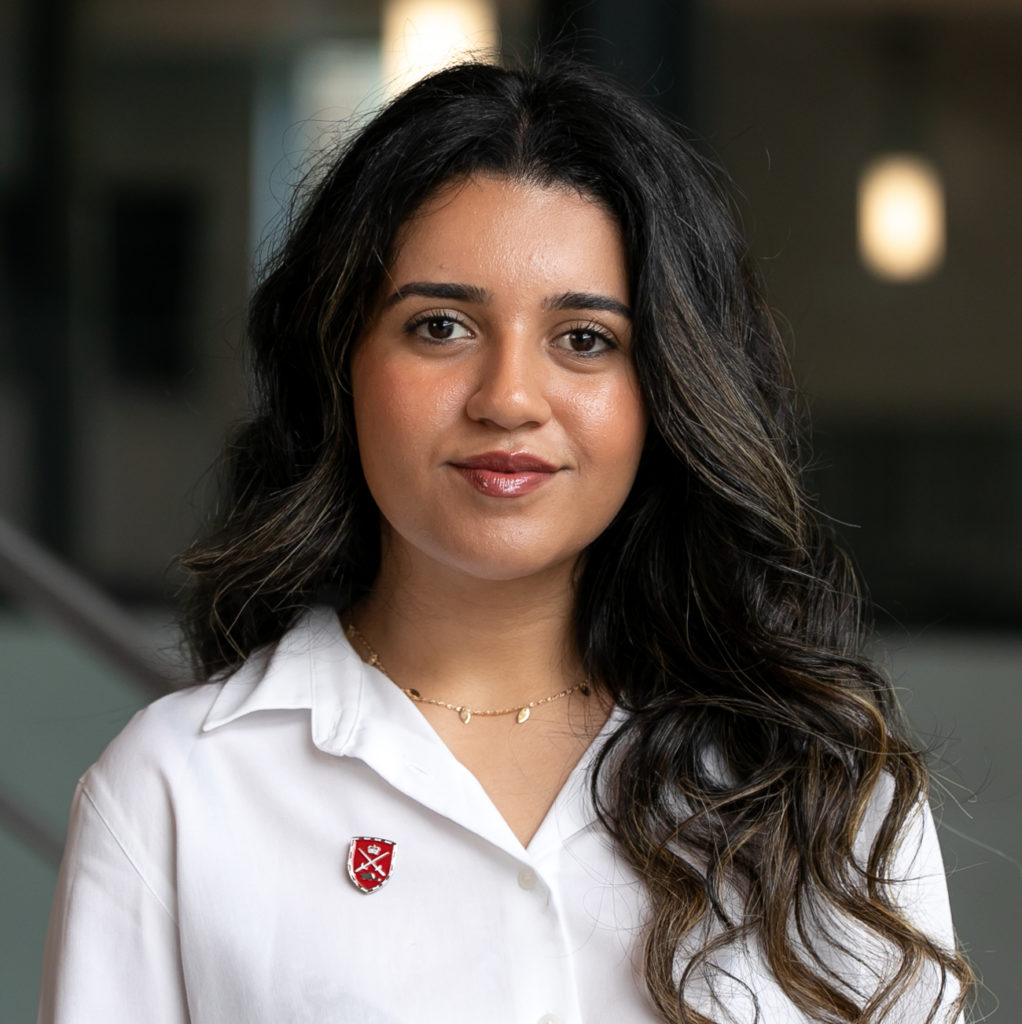
Fourth-year student Ovi Kulkarni found the trip to be deeply moving. Ovi recounts how her trip to Rwanda brought her Political Science studies to life.
She explains, “I came in with textbook readings and theories to study how a country recovers after conflict – but what I left with was far more personal. I met people who had lived through unthinkable pain and yet chose to build something better. Rwanda challenged how I think about justice, leadership and community.” Concluding that, “this experience reminded me why I study politics”.
Emblematic of the dynamic Political Science program at Huron, the Rwanda trip is one of many unique experiential learning opportunities available exclusively for Huron students. As Dr. Scorgie explains, this kind of hands-on learning “enriches undergraduate education, and helps solidify what students want to do—and how to make a difference—after graduation”. She continues to explain that for young people, their undergrad years are the best time to be exposed to new experiences that challenge their worldview and inspire their future career paths.
Grappling with the complexities of peace and reconciliation in a global context, student participant Parker Ballard (Class of ’25) shared that this experience challenges students to rethink their own personal biases. He describes the trip as a turning point in his personal, academic, and professional life. As a recent Huron graduate, this type of learning opportunity has allowed him to enter his next chapter with a deeper focus on empathy, compassion, and the role of community.
Getting out of the classroom and into the real world helps students like Parker challenge their own assumptions and fosters personal growth and intellectual curiosity. Reflecting on the importance of this experience for students, Dr. Scorgie explains, “It’s hard to understand these things by just being in the classroom. It’s so helpful to talk to the people who are actively working on and have lived the issues we are studying.”
Opening Doors for Huron Students
These life-changing experiences are just one example of how Huron prepares students not only to understand complex global politics but also to actively participate in building a better future. While these experiences are open to all students, cost can often be a barrier to full participation. The continued engagement and generosity of alumni help make these opportunities possible. By supporting opportunities like the Rwanda trip, alumni help equip the next generation of leaders.


 Lisa Jones Keenan is the Vice President of Sales at Xplornet Communications, the largest rural fixed wireless broadband service provider in Canada.
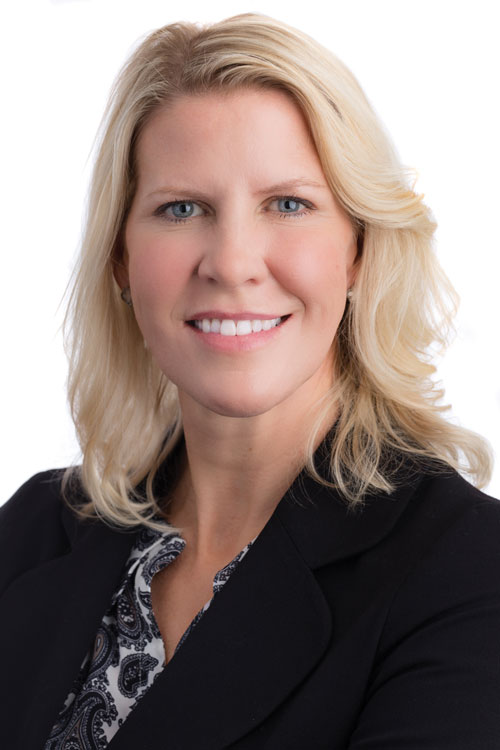 Leigh Allen is the AVP, Global Strategic Research, Reinsurance Group of America Inc., one of the world’s largest global life and reinsurance companies.
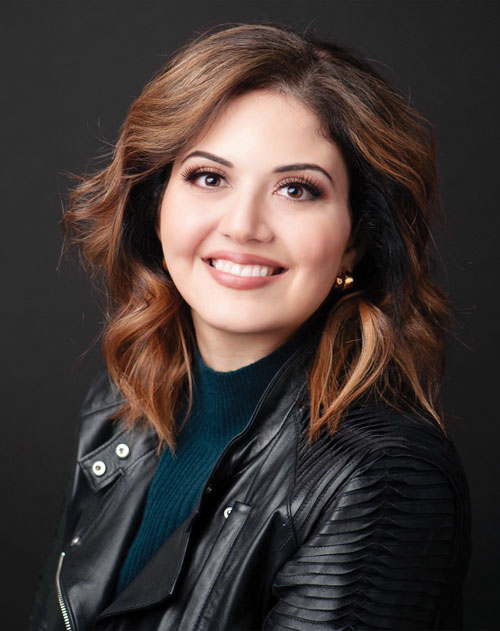 Yola Ventresca is a Managing Partner, Lerners LLP, Secretary of Huron’s Board of Governors and a Huron Class of ’02 alumni. Selected as one of Canada’s “Best Lawyers,” she is passionate about the value of Liberal Arts in helping students succeed in their careers.
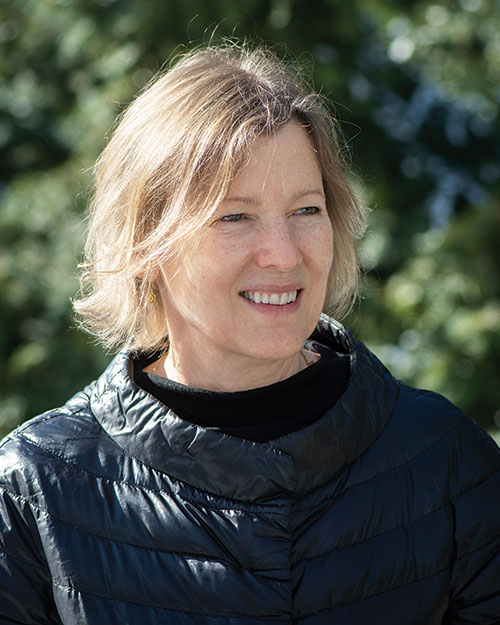 Susan Farrow is an Assistant Professor in The Temerty Faculty of Medicine at the University of Toronto and a Founding Partner and Co-Director of The Toronto Institute of Group Studies, an organization offering certified training and education in group leadership.
 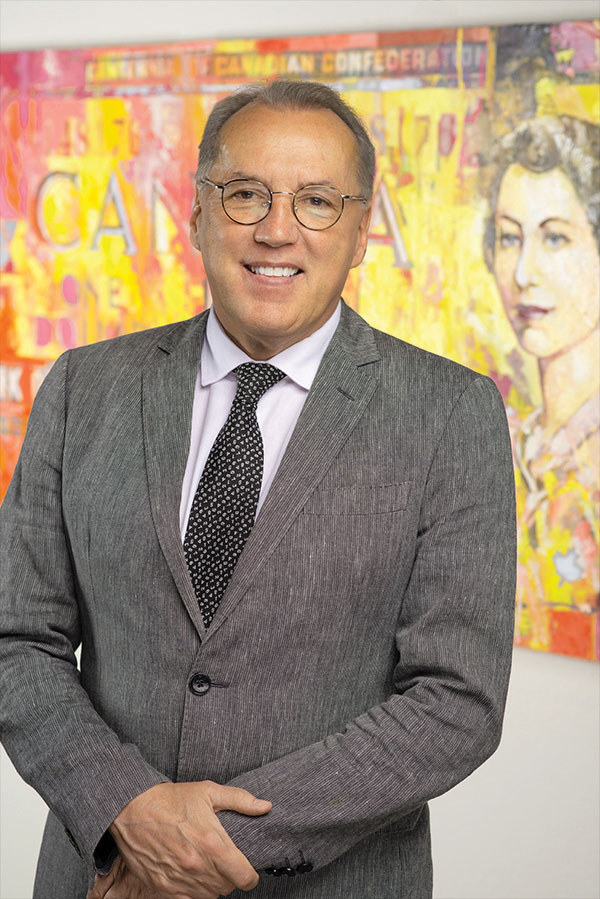 Frank Holmes is CEO and Chief Investment Officer of U.S. Global Investors, as well as a business commentator, philanthropist and Huron Class of ‘78 alumnus. Holmes also serves as the Executive Chairman of HIVE Blockchain Technologies, the first cryptocurrency mining company to go public in 2017.
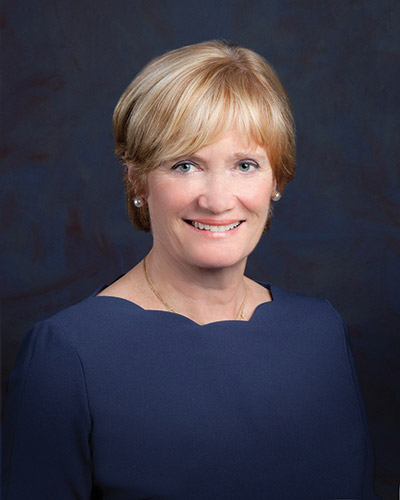 Kelly Meighen is an experienced philanthropist and volunteer. In her role as president of the T.R. Meighen Family Foundation, she has created a legacy of volunteerism and philanthropic giving in the areas of youth mental health advocacy, environmental conservation and cultural vibrancy.
 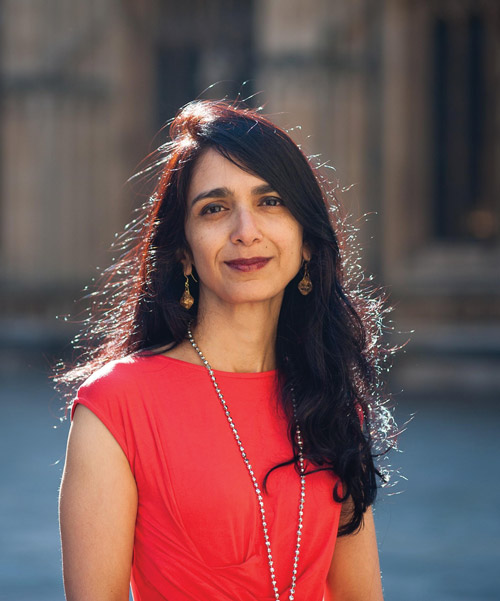 Ranjita is Executive Chair of the Oxford Global Partnership, advising investors, businesses, family offices and entrepreneurs on sustainable, inclusive and responsible value creation. A Business Fellow at Oxford University’s Smith School, Ranjita engages with companies on pursuing value with values, and teaches a postgraduate “Essentials of ESG & DEI” course.
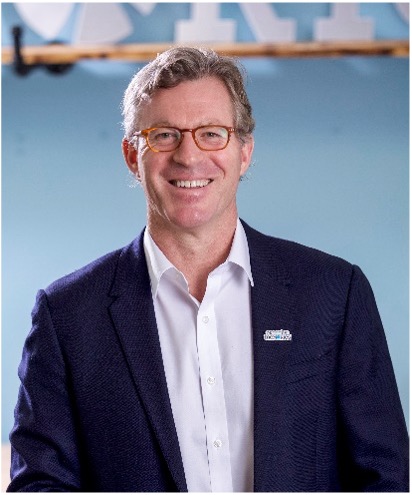 Caleb Hayhoe is the Founder & Chairman of Flowerdale Group and a Huron Class of ’85 Alumnus. Flowerdale Group is a Hong Kong based family office with a global investment outlook across public markets, real estate and private investment. Hayhoe previously spent over ten years building a global sourcing business together with an exceptional team, and remains committed to entrepreneurialism and helping great ideas become sustainable companies.