
How the Tri-Mentorship Program is Helping Huron University Psychology Students Shine

The transition to university is often a challenging time for incoming students, especially those who are the first in their families to pursue post-secondary education. Huron’s Psychology Department sees mentorship and student leadership opportunities as the keys to helping first-year students realize their potential, while encouraging senior students to think about their role in supporting their first-year peers.
From Pilot Project to Proven Success
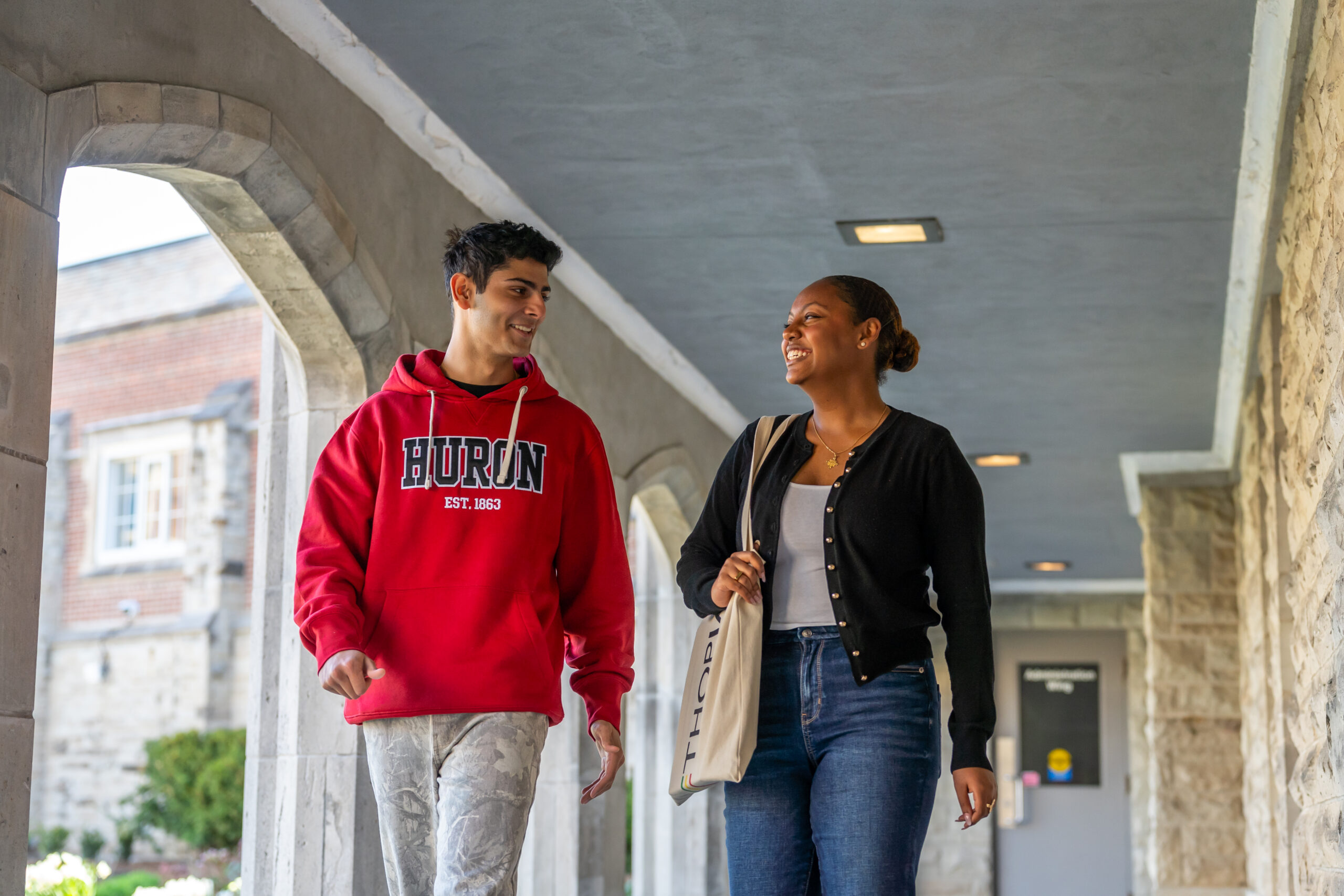
What began as a pilot project led by Dr. Irene Cheung and Dr. Christine Tsang in 2016 has blossomed into a fully integrated mentorship program that engages every first-year Psychology student. Building on the Psychology program’s emphasis on delivering high-quality, hands-on training experiences, the Tri-Mentorship Program offers both formal and informal opportunities for first-year students to connect with senior student mentors and with faculty as they learn to navigate the social and academic landscape. While the program provides a loose framework that encourages students to make it their own, the approach is also distinguished from other mentorship programs by its connections to the curriculum and learning outcomes of the first-year psychology course and related degree programs. Through mentorship with senior peers, students work together and gain hands-on experience with activities typically unfamiliar to first-year students, such as conducting literature searches, articulating research questions, and defending proposals.
The impacts of the mentorship program are profound. Since the start of the mentoring initiative in 2016, hundreds of first-year students and dozens of senior students have participated in the program. Dr. Cheung reflects on a decade of refining and expanding the mentorship program, noting, “While correlations are not causal, retention in the Psychology program has doubled, and the program has experienced a significant increase in enrolment during this period. There has also been an increase in first-year engagement within the Huron Psychology Association (the program’s student-led club). We attribute some of this growth to our focus on developing community between students in different years and increased connections with faculty.”
Growing Through Mentorship

It’s not just the first-year students who benefit. Thanks to the Tri-Mentorship Program, Psychology graduate Julia Smith (’18) was inspired to pursue a further degree in education. For Julia, “the mentorship program allowed her to find ways to reach students, teach them, and get them to think about the bigger picture of what we’re learning.” The structure of the program, with both faculty-supported mentorship in the classroom and more informal out-of-class opportunities, also offers students a unique chance to develop their leadership experience and gain hands-on skills that equip them for success after graduation.
Reflecting on this, Julia says, “Having the faculty support helped develop my reflection skills and helped me understand how to implement feedback into my own practice.” The opportunity to mentor younger students, while receiving mentorship herself, gave Julia “a jump-start on what it means to be an effective teacher and mentor,” which has been key to her chosen career as an educator.
Opening Doors for Huron Students
Because of these leadership and mentorship opportunities, Huron’s Psychology students are more connected, perform better academically, and graduate with the skills to shine in an increasingly competitive workforce. By supporting opportunities like the Tri-Mentorship Program, you can help support this growing community of Leaders with Heart.



 Lisa Jones Keenan is the Vice President of Sales at Xplornet Communications, the largest rural fixed wireless broadband service provider in Canada.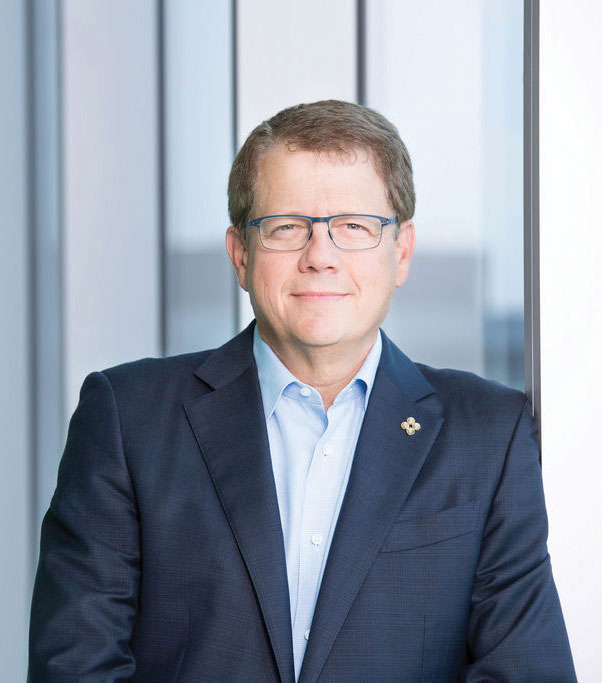
 Leigh Allen is the AVP, Global Strategic Research, Reinsurance Group of America Inc., one of the world’s largest global life and reinsurance companies.
 Yola Ventresca is a Managing Partner, Lerners LLP, Secretary of Huron’s Board of Governors and a Huron Class of ’02 alumni. Selected as one of Canada’s “Best Lawyers,” she is passionate about the value of Liberal Arts in helping students succeed in their careers.
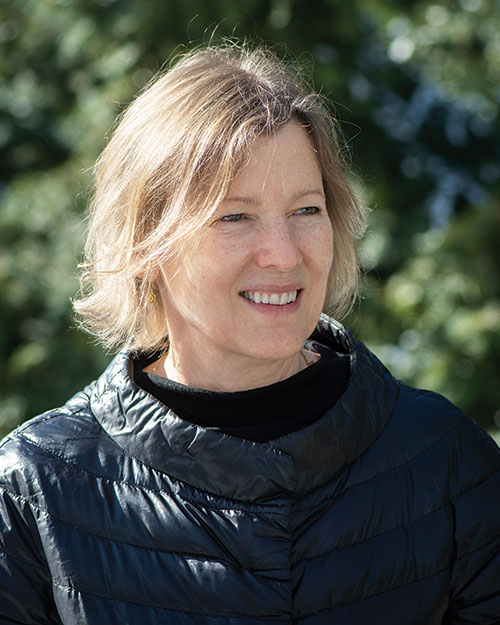 Susan Farrow is an Assistant Professor in The Temerty Faculty of Medicine at the University of Toronto and a Founding Partner and Co-Director of The Toronto Institute of Group Studies, an organization offering certified training and education in group leadership.
 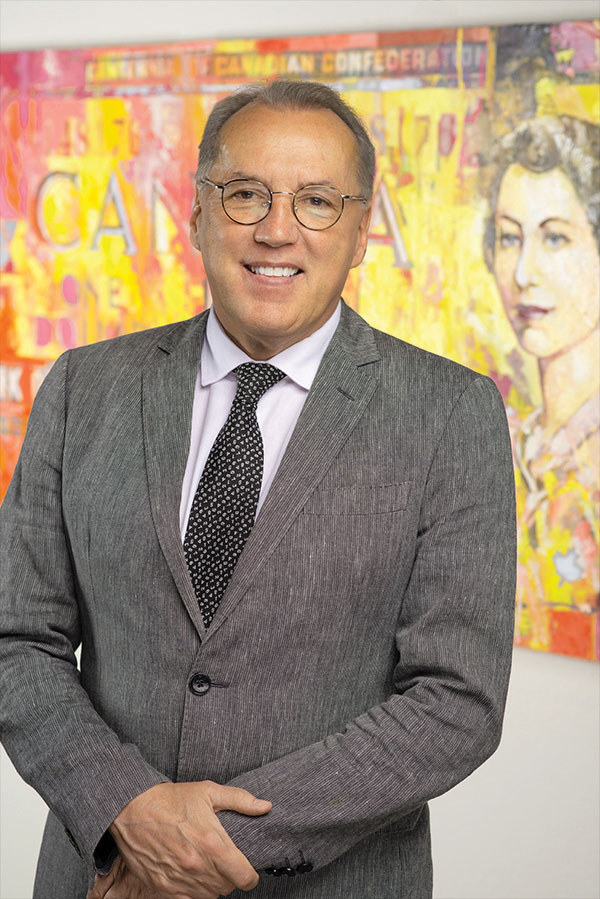 Frank Holmes is CEO and Chief Investment Officer of U.S. Global Investors, as well as a business commentator, philanthropist and Huron Class of ‘78 alumnus. Holmes also serves as the Executive Chairman of HIVE Blockchain Technologies, the first cryptocurrency mining company to go public in 2017.
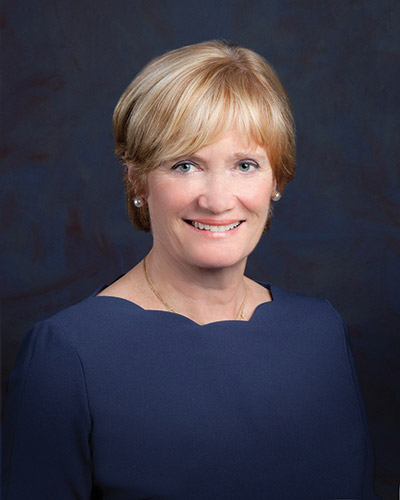 Kelly Meighen is an experienced philanthropist and volunteer. In her role as president of the T.R. Meighen Family Foundation, she has created a legacy of volunteerism and philanthropic giving in the areas of youth mental health advocacy, environmental conservation and cultural vibrancy.
  Ranjita is Executive Chair of the Oxford Global Partnership, advising investors, businesses, family offices and entrepreneurs on sustainable, inclusive and responsible value creation. A Business Fellow at Oxford University’s Smith School, Ranjita engages with companies on pursuing value with values, and teaches a postgraduate “Essentials of ESG & DEI” course.
 Caleb Hayhoe is the Founder & Chairman of Flowerdale Group and a Huron Class of ’85 Alumnus. Flowerdale Group is a Hong Kong based family office with a global investment outlook across public markets, real estate and private investment. Hayhoe previously spent over ten years building a global sourcing business together with an exceptional team, and remains committed to entrepreneurialism and helping great ideas become sustainable companies.